
Sulthan Bathery, one of the cultural and commercial gateways of Wayanad, has evolved for centuries as a trading hub linking Kerala with Karnataka and Tamil Nadu. Its markets carry the pulse of tribal communities, migrant farmers, small traders, tea and coffee cultivators, and the growing tourism economy. Yet, the existing market infrastructure is strained by congestion, limited space, outdated facilities, and the inability to fully leverage Wayanad’s agricultural and ecological strengths. Kerala Vision 2047 imagines Sulthan Bathery Market as a model hill-town economic ecosystem rooted in sustainability, technology, and community participation.
The first step toward transformation is recognizing Sulthan Bathery’s strategic position in the tri-state corridor. The market already serves as a major node for inter-state movement of vegetables, grains, spices, and plantation goods. By 2047, Bathery can become a regional agri-logistics powerhouse with a modern wholesale terminal at the outskirts. This terminal can host cold storage, ripening chambers, grading lines, pack houses, and digital auction platforms. Such systems reduce post-harvest losses and ensure better price realization for farmers, especially small growers in the tribal and highland zones. With improved logistics, Sulthan Bathery can serve not just Wayanad but nearby districts in Tamil Nadu and Karnataka, creating a multi-state agricultural value chain.
Climate-aware design is essential for Wayanad’s market future. As rainfall patterns become unpredictable, the town requires climate-resilient infrastructure. Covered pedestrian arcades, rain-secure loading bays, proper drainage, and temperature-stabilized storage units will ensure the market remains functional year-round. Solar-powered streetlights, rooftop solar installations atop shop clusters, and water-harvesting units integrated into redesigned buildings will create a low-carbon market district that aligns with Wayanad’s ecological identity.
A major shift needed by 2047 is the formal inclusion of Wayanad’s tribal communities into the mainstream market ecosystem. Many tribal farmers face barriers in pricing, certification, and direct access to buyers. The transformed Sulthan Bathery Market could feature a Tribal Producers Zone where products like millet, honey, spices, bamboo crafts, forest edibles, and handmade goods receive branded recognition. Certification centres, cooperative-run stalls, and direct-to-customer platforms ensure that tribal communities capture more value from what they produce. This aligns with Kerala’s social equity goals while preserving the unique cultural and ecological knowledge of the region.
Urban design upgrades will redefine Bathery’s market experience. Currently, the market streets are congested, fragmented, and lack coordinated layout. Kerala Vision 2047 proposes creating a structured Market District with pedestrian-only lanes during specific hours, uniform signages, heritage lighting, waste collection units, vending zones, and greenery-lined lanes. Consolidated parking hubs outside the market can reduce traffic inside, while shuttle services and e-rickshaws ensure accessibility. Beautification and façade improvements reflecting Wayanad’s natural and tribal motifs can give the town a distinctive identity.
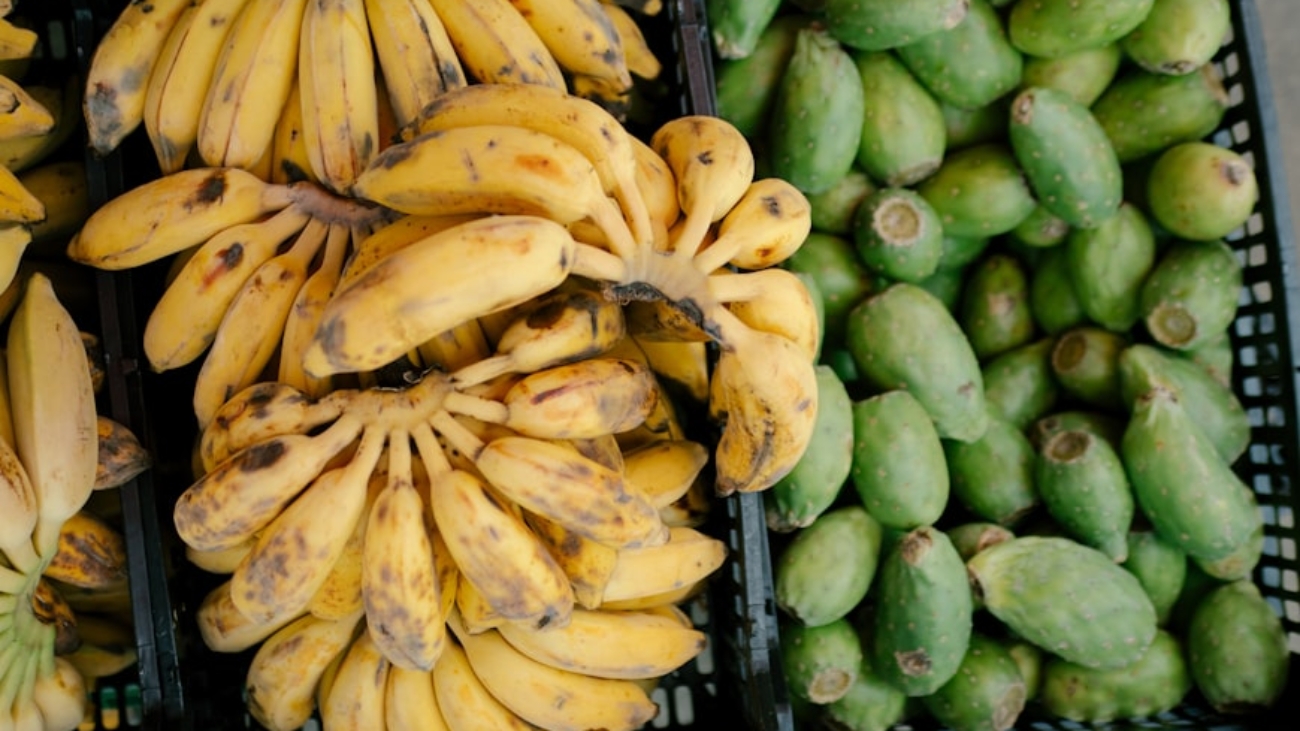
Tourism integration will be a major pillar of Bathery’s market transformation. By 2047, visitors should see the market as an extension of Wayanad’s attractions. A curated Spice and Hill Produce Street can showcase fresh pepper, coffee, tea varietals, handmade chocolates, spices, avocados, bananas, and native fruits. QR-coded panels can narrate the history of tribal agriculture, migration, and the evolution of trade routes. Weekly artisan fairs, pottery demonstrations, folk performances, and eco-food festivals can create a cultural vibrancy that appeals to domestic and international tourists. Such experiences encourage longer stays and higher spending, directly benefiting local vendors.
Digital innovation must be seamlessly integrated into the market. A Sulthan Bathery Market App can map shops, display commodity prices, support digital payments, and enable farmers to book logistics slots. AI-based systems can help forecast price fluctuations and market demand, guiding farmers on planting and selling decisions. Digital kiosks inside the market can provide access to farm insurance, government schemes, financial services, and training modules. Over time, the market can adopt blockchain for spice traceability, giving Wayanad’s produce a competitive edge in export markets.
The market’s governance system needs modernization to support long-term development. A Sulthan Bathery Market Development Authority with representation from traders, farmers, panchayats, tribal cooperatives, and tourism stakeholders can ensure coordinated planning. This authority can enforce hygiene standards, monitor waste management, regulate licenses, ensure night-time safety, and oversee infrastructure maintenance. Transparency in governance will build trust and attract investments for upgrading market facilities.
A stronger focus on sustainability can distinguish Bathery as a model hill market. Waste from fruits, vegetables, and restaurants can be channelled into decentralized composting or biogas units. Plastic-free policies, refill stations for spices and grains, recycling kiosks, and cloth-bag distribution initiatives can minimize environmental footprint. Green roofs, planted courtyards, and wall gardens can improve aesthetics and microclimate. These features align Wayanad with global eco-tourism standards and enhance the town’s appeal.
Social infrastructure must become part of market planning. Bathery’s market area can include community halls, training centres for entrepreneurial skill-building, childcare spaces for women vendors, and rest zones for transport workers. Evening markets with regulated lighting and security can create safe public spaces and strengthen local culture. Special platforms for women’s self-help groups allow them to sell value-added products made from coffee, millets, spices, and forest produce.
A long-term vision also requires Bathery to connect with regional and international value chains. With improved logistics, certification centres, and branding initiatives, Wayanad’s coffee, pepper, honey, and fruits can reach premium markets. Partnerships with universities, agricultural research centres, and export agencies can introduce cutting-edge technologies in processing, packaging, and quality assurance.
Kerala Vision 2047 ultimately imagines Sulthan Bathery Market as a dynamic, inclusive, ecologically sensitive, and technologically empowered hill market that benefits every stakeholder. The aim is to preserve Wayanad’s natural and cultural heritage while enabling modern economic growth. With strategic planning, community participation, and sustained investment, Sulthan Bathery can evolve into one of India’s most advanced hill-market ecosystems by 2047—a model where tradition and transformation coexist harmoniously.
