
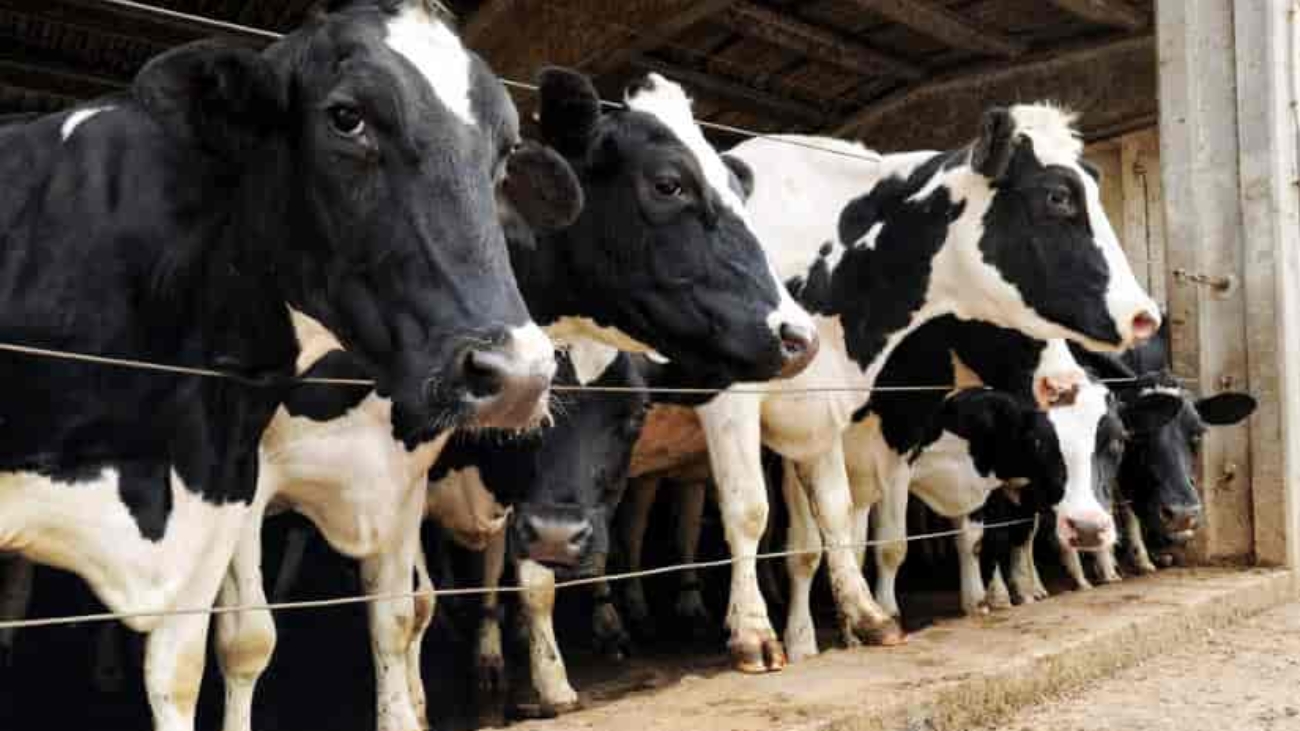
The Kerala Livestock Development Board (KLDB) plays a quiet but decisive role in shaping the economic resilience of farming households across the state. For a large share of Kerala’s farmers, livestock—especially dairy cattle—is not a side activity but the most reliable source of daily cash flow. In a landscape where crop income is seasonal and uncertain, livestock income often sustains families. Kerala Vision 2047 must therefore recognize KLDB not merely as a technical body, but as a cornerstone institution for stabilizing rural incomes and integrating agriculture with nutrition and livelihood security.
KLDB’s primary mandate has been genetic improvement of cattle through artificial insemination, breed development, and productivity enhancement. This work has had a tangible impact: higher milk yields, better disease resistance, and improved herd quality across the state. However, genetic improvement alone is no longer sufficient. By 2047, KLDB’s role must expand from improving animals to strengthening the entire livestock-based livelihood system surrounding farmers.
Climate stress is emerging as a major challenge for livestock farmers. Heat stress, water scarcity, fodder shortages, and disease outbreaks directly affect milk productivity and animal health. Kerala Vision 2047 requires KLDB to actively integrate climate resilience into livestock development. This includes promoting heat-tolerant breeds, improving housing design, supporting fodder cultivation, and aligning veterinary services with climate risk forecasting. Livestock systems must be redesigned to survive hotter, less predictable environments.
Livestock productivity is inseparable from feed and fodder security. Many farmers struggle with rising feed costs and limited local fodder availability. By 2047, KLDB should play a stronger role in promoting decentralized fodder production, silage systems, and crop–livestock integration. Linking fodder planning with paddy fields, fallow lands, and irrigation projects can reduce costs while improving sustainability.
The integration of livestock with the wider farm economy is one of KLDB’s most powerful opportunities. Dairy, poultry, and small ruminants provide manure, energy, and income diversification for crop farmers. Kerala Vision 2047 should see KLDB working closely with agriculture and local governments to promote mixed farming systems where livestock strengthens soil fertility, reduces chemical dependence, and stabilizes farm incomes.
Technology and data must modernize livestock services. By 2047, animal health records, breeding histories, milk productivity data, and disease surveillance should be digitized and farmer-accessible. KLDB can become the hub of a livestock intelligence system that enables early disease detection, better breeding decisions, and targeted interventions. Precision livestock management will be essential to improve productivity without increasing herd sizes unsustainably.
Farmer dignity and youth engagement are critical. Livestock rearing is labor-intensive and often undervalued. By 2047, KLDB should help reposition livestock farming as a skilled enterprise supported by science, technology, and professional services. Training programs, certification, and entrepreneurship pathways can attract younger farmers into modern dairy and allied activities.
KLDB must also strengthen its linkage with milk marketing and processing institutions. Genetic gains only translate into farmer prosperity when there is assured procurement and fair pricing. Vision 2047 requires tight coordination between KLDB, MILMA, and cooperative institutions so that productivity improvements lead directly to stable and rising farm incomes rather than market gluts.
By 2047, the Kerala Livestock Development Board must be seen not just as a breeding agency, but as an institution that underwrites the everyday economic security of Kerala’s farmers. When livestock systems are productive, climate-resilient, and well-integrated with markets, they provide a foundation of confidence on which all other agricultural transformations can rest.
