
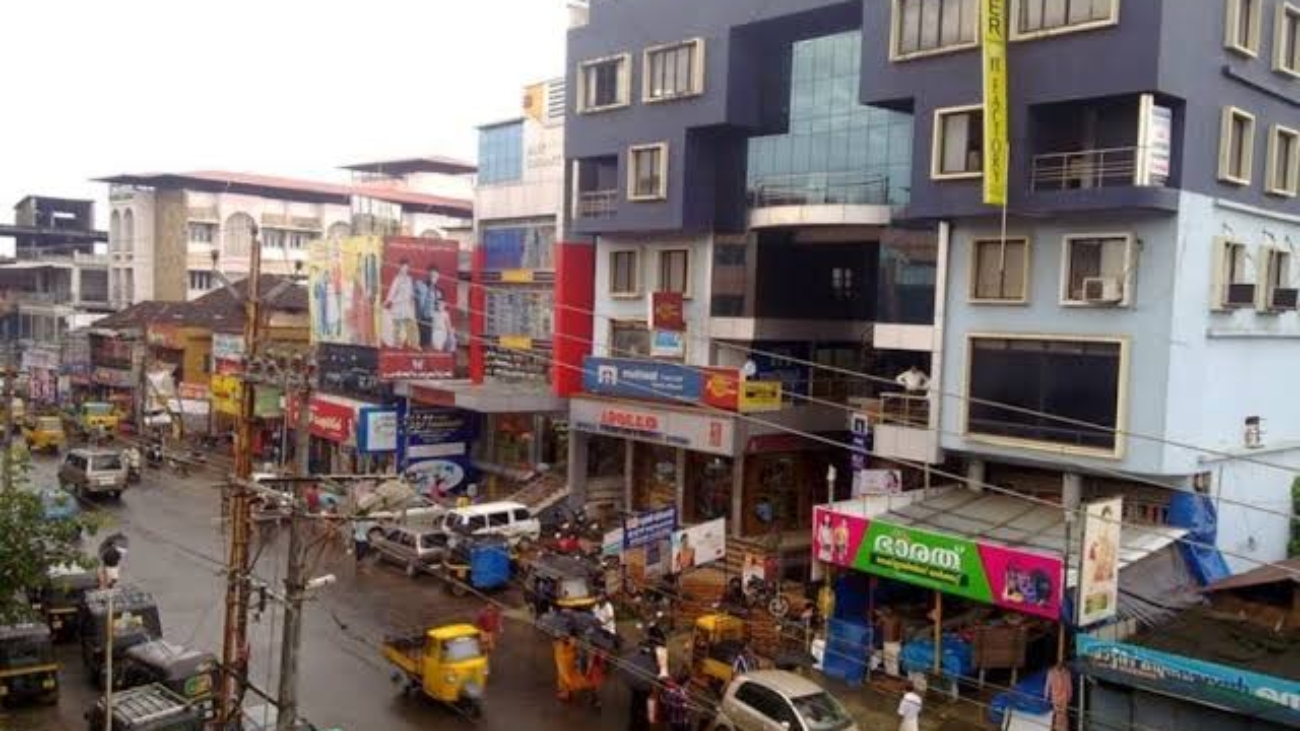
The Chavakkad–Guruvayoor belt in Thrissur district is one of Kerala’s most dynamic yet under-structured development zones. Guruvayoor is one of India’s most visited pilgrimage destinations, drawing millions of devotees each year, while Chavakkad is a vital coastal town with strong trading networks, fisheries, and a large diaspora presence. The interplay of culture, commerce, tourism, and coastal life gives this belt a unique identity—but also presents major challenges in urban management, mobility, environmental protection, and economic diversification. Kerala Vision 2047 imagines this belt as a seamlessly integrated cultural, coastal, and commercial ecosystem—modern, sustainable, and deeply rooted in its spiritual and community heritage.
The first cornerstone of transformation is reimagining Guruvayoor as a world-class pilgrimage and cultural city. By 2047, visitor numbers will grow significantly, demanding sophisticated urban planning. A Guruvayoor Pilgrimage City Plan must emphasize walkability, traffic-free temple zones, multi-level parking hubs at the periphery, shuttle services, and a digitally managed crowd-control system. Integrated corridors for pedestrians across East Nada and West Nada, shaded pathways, landscaped resting zones, and culturally themed signage can enhance visitor experience. Smart scheduling systems can inform devotees about crowd density, darshan timings, queue lengths, and temple services in real time. Waste management, hygiene, and emergency response capabilities must match international pilgrimage standards.
Guruvayoor can also expand into a cultural knowledge centre. Institutions focusing on Sanskrit studies, temple arts, devotional music, and heritage conservation can make the town a year-round cultural destination. A Pilgrimage and Culture Museum documenting Kerala temple rituals, mural art, ancient manuscripts, and musical traditions can deepen cultural understanding. Annual festivals, classical concerts, and spiritual retreats can attract visitors beyond religious tourism.
Chavakkad, in contrast, must develop as a coastal economy hub aligned with modern sustainability principles. The fishing harbour can be transformed by 2047 into a climate-resilient Blue Economy Centre with hygienic fish-landing facilities, insulated auction halls, cold chains, solar-powered ice plants, and digital fish auctions linking traders across Kerala and the Gulf region. Boat modernization, marine safety training, community insurance, and aquaculture expansion can strengthen livelihoods. Coastal resilience projects—mangrove belts, dune restoration, and bio-shield plantations—can protect the shoreline from erosion and rising sea levels.
The coastal stretch from Chavakkad to Munambam is a potential eco-tourism corridor. Chavakkad Beach, with backwaters meeting the sea, can be redesigned with promenades, eco-parks, cycling tracks, local cuisine courts, and sustainable tourist amenities. Sunset viewpoints, family recreation zones, and handicraft markets can elevate its appeal. Strict zoning will protect turtle nesting grounds, dune systems, and coastal wetlands. By linking with Guruvayoor’s pilgrimage footfall, Chavakkad can develop a tourism ecosystem that respects both ecology and culture.
Mobility integration is critical for this belt. Currently, the area suffers from congestion, narrow approach roads, and uncoordinated transport services. A Chavakkad–Guruvayoor Mobility Loop with electric buses, dedicated pedestrian lanes, cycle tracks, and last-mile e-rickshaws can reduce traffic pressure. A modern intermodal mobility hub connecting rail, buses, and temple shuttles can streamline movement. Smart traffic systems, regulated auto stands, and satellite parking centres will improve efficiency, especially during festival seasons.
Urban development must address sustainability and quality of life. By 2047, both towns can adopt green-building codes, rooftop solar grids, stormwater management systems, and modern sewage networks. Beautification of streets, creation of micro-parks, shaded seating areas, and night-time lighting across key junctions can transform urban aesthetics. Chavakkad’s commercial streets and vegetable market can be upgraded with organized vendor zones, waste-collection hubs, and hygienic facilities. Guruvayoor’s old neighbourhoods can be preserved through heritage streetscape guidelines.
Economic diversification will shape the future of this belt. The strong diaspora presence—especially in the Gulf—provides a foundation for entrepreneurship, retail expansion, and services. By 2047, the region can nurture SME clusters in Ayurveda products, religious merchandise, handicrafts, organic foods, packaged snacks, and digital services. Startup hubs can support businesses in tourism tech, devotional content platforms, logistics, fintech, and wellness sectors. Women’s SHGs can lead home-based production chains in pickles, sweets, handicrafts, coir products, and natural cosmetics.
Tourism has vast untapped potential beyond temple visits. A unified Chavakkad–Guruvayoor Tourism Circuit can connect beach tourism, religious tourism, bird-watching zones, cultural performances, local cuisine trails, and Ayurveda wellness centres. Homestays, boutique lodges, and eco-friendly stays can cater to different visitor segments. QR-based signboards can narrate local history—Guruvayoor’s origins, Chavakkad’s trade links, coastal community traditions, and the evolution of temple rituals.
Digital governance can vastly improve efficiency. A Smart Belt Governance System can integrate crowd management, waste tracking, water supply monitoring, tourism information, grievance redressal, and emergency alerts. Devotees can use digital platforms to book darshan slots, accommodation, parking, and local transport. Traders and fishermen can receive real-time market updates, weather warnings, and digital payment tools.
Environmental sustainability must remain at the core. With coastal vulnerability increasing, the belt needs climate-proof infrastructure. Flood-resistant roads, elevated walkways, and rebuilt drainage systems can reduce monsoon disruptions. Wetland protection, rainwater harvesting, and greywater recycling can support water security. Clean-energy transition—including solar-powered streetlights, community solar farms, and EV charging points—will reduce dependence on conventional fuels.
Social inclusion is essential for balanced development. Coastal fishing communities need modern boats, fair auction systems, insurance, and skill training. Temple workers, vendors, and small businesses in Guruvayoor require income security, market support, and digital onboarding. Senior citizens must have walkable streets, accessible public services, and healthcare support. Migrant workers must be integrated through housing schemes, health camps, and language assistance services.
Kerala Vision 2047 ultimately imagines the Chavakkad–Guruvayoor belt as a harmonious fusion of spirituality, commerce, and coastal beauty. A region where millions of devotees and tourists experience world-class facilities, where fishing communities thrive with dignity, where the coastline is protected, where innovation meets tradition, and where urban life is humane and sustainable. With strategic planning, strong governance, and inclusive development, this belt can emerge as one of Kerala’s most vibrant cultural–coastal corridors by 2047—globally connected, environmentally resilient, and deeply rooted in community heritage.
