
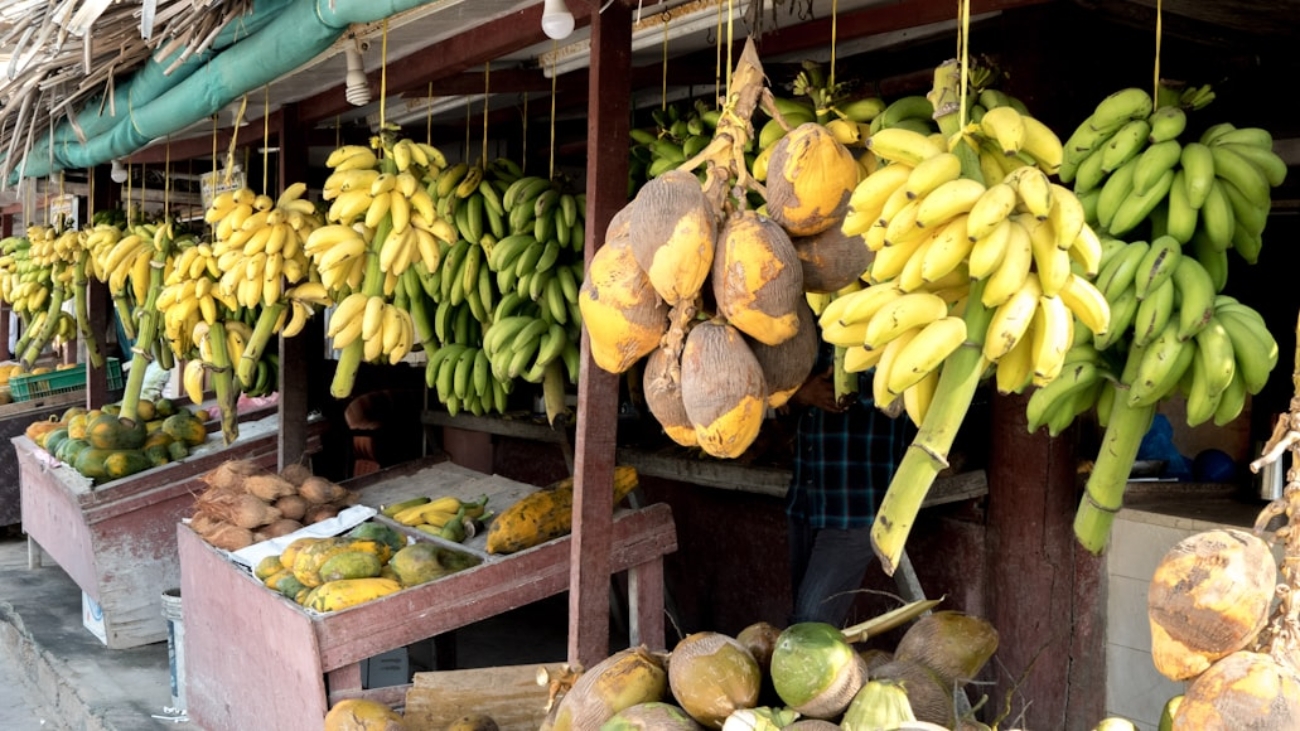
Kattappana, the commercial heart of the High Ranges, has long been defined by its agricultural vibrancy, spice trade, migrant entrepreneurship, and the unique rhythm of hill-town commerce. As Kerala moves toward 2047, Kattappana holds untapped potential to become one of the state’s most advanced agro-markets, linking farmers, traders, digital platforms, and global value chains. Kerala Vision 2047 presents an opportunity to transform the Kattappana market into a modern, climate-resilient, tech-enabled, and community-driven economic hub that preserves the character of the hills while embracing innovation.
The first imperative is strengthening Kattappana’s position as a major agribusiness centre. The region’s wealth lies in cardamom, pepper, coffee, vegetables, and plantation crops, all of which can gain higher value through structured market reforms. By 2047, Kattappana can establish an Integrated High Range Agri Terminal—a centralized marketplace where farmers access real-time pricing, digital auctions, quality testing labs, cold storage, and packaging units under one roof. Such a terminal reduces dependence on middlemen, increases transparency, and helps farmers negotiate better. A modern spice grading and certification centre can ensure that Kattappana’s cardamom and pepper meet global export standards, increasing revenue for growers.
Climate resilience will be critical for the High Ranges. Erratic rainfall, soil degradation, and pest outbreaks threaten agriculture. Therefore, the future Kattappana market must be embedded within a sustainability framework. Community-operated solar cold rooms, rejuvenation of hill water bodies, soil health labs offering micro-level diagnostics, and a high-range climate advisory system can protect livelihoods. By 2047, farmers should receive hyperlocal weather alerts, crop risk predictions, and advisory messages directly on mobile devices. This reduces losses and makes the market ecosystem more stable.
Urban design must also evolve to meet the aspirations of a growing town. The existing market is dense, crowded, and difficult to navigate during peak hours. Kerala Vision 2047 calls for a redesigned Kattappana Market District with pedestrian-friendly pathways, structured parking areas, rain-protected walkways, loading bays, and waste management systems integrated seamlessly into the urban fabric. The main bazaar can be beautified with hill-themed landscaping, LED lighting, uniform signages, and designated vendor zones. An improved street layout reduces congestion, improves safety, and enhances the shopping experience for locals and visitors.
Kattappana can also position itself as a High Range Flavour Hub. The region is famous for spices, fruits, and hill produce with distinct aroma and quality. By 2047, the market can host a permanent High Range Food and Spice Street showcasing aromatic spice blends, artisanal coffee, chocolate products, hill-based processed foods, and ethnic snacks. This creates a tourism attraction while generating new avenues for small businesses and women entrepreneurs. Culinary events, spice festivals, and hill-produce exhibitions can make Kattappana a cultural destination within Idukki.
Digital transformation will define the next phase of market evolution. A Kattappana Market App can integrate digital payments, retail mapping, commodity alerts, farm-to-market logistics, and doorstep delivery. Young entrepreneurs can launch hyperlocal e-commerce platforms specializing in hill produce. A blockchain-based traceability system for spices ensures transparency from farm to export markets. Through digital kiosks inside the market, farmers can access government schemes, financial products, insurance services, and training modules. By 2047, digital literacy among traders and farmers should be high enough to allow seamless digital trading.
The market’s governance structure requires equal modernization. A Kattappana Market Development Authority can be created with representation from farmers’ collectives, traders’ bodies, local government, and civil society. This body can oversee maintenance, environmental compliance, safety, licensing, and fair-trade practices. Night-time safety measures, CCTV networks, emergency lanes, and fire response protocols make the market more secure. Transparency in regulatory processes builds trust and encourages more investments into the town.
Logistics modernization is another priority. The High Ranges rely heavily on trucks navigating narrow roads. By 2047, Kattappana can operate a Multi-Modal Agri Logistics Hub at the outskirts with integrated cold chain, ripening chambers, packing lines, and freight consolidation services. Electric cargo vehicles can shuttle goods from farms to market, reducing fuel costs and emissions. A dedicated produce corridor linking Kattappana with Kochi and Theni markets can enhance efficiency and reduce spoilage. Improved logistics will attract more agritech companies and exporters to the region.
Sustainability and waste management must be at the centre of this vision. Markets generate large volumes of organic waste, especially from vegetables and fruits. A decentralized biogas and composting network can convert market waste into cooking gas for nearby eateries or fertilizer for farms. A strict plastic-free policy, reverse vending machines, and green packaging centres can position Kattappana as a model environmentally conscious hill market. Rooftop solar installations across government and commercial buildings further reduce energy costs and support resilience during outages.
The market’s social life also requires attention. Kattappana is a melting pot of different migrant communities from Tamil Nadu, Karnataka, and various parts of Kerala. By 2047, the market area can include community squares, cultural corners, and performance spaces celebrating this diversity. Evening markets, weekend craft zones, and youth entrepreneurship stalls can energize the public space. A hill-town cultural centre adjacent to the market can document the history of migration, spice trade, and transformation of the High Ranges.
Tourism integration presents another opportunity. The High Ranges attract trekkers, nature lovers, and spice tourists. A curated trekking-and-market trail connecting farms, spice gardens, and the central market can offer a holistic experience. A high-range farmers’ café run by SHGs and farmer groups can serve hill cuisine and showcase value-added products.
Kerala Vision 2047 thus positions Kattappana not just as a market but as a comprehensive high-range economic ecosystem. It becomes a space where farmers, traders, tourists, entrepreneurs, and innovators converge. The goal is to preserve the human warmth and organic energy of the hill market while enhancing efficiency, sustainability, technology, and design. By blending heritage with modernity, Kattappana can evolve into one of India’s most dynamic hill-market economies by 2047, setting an example for similar towns across the country.
