
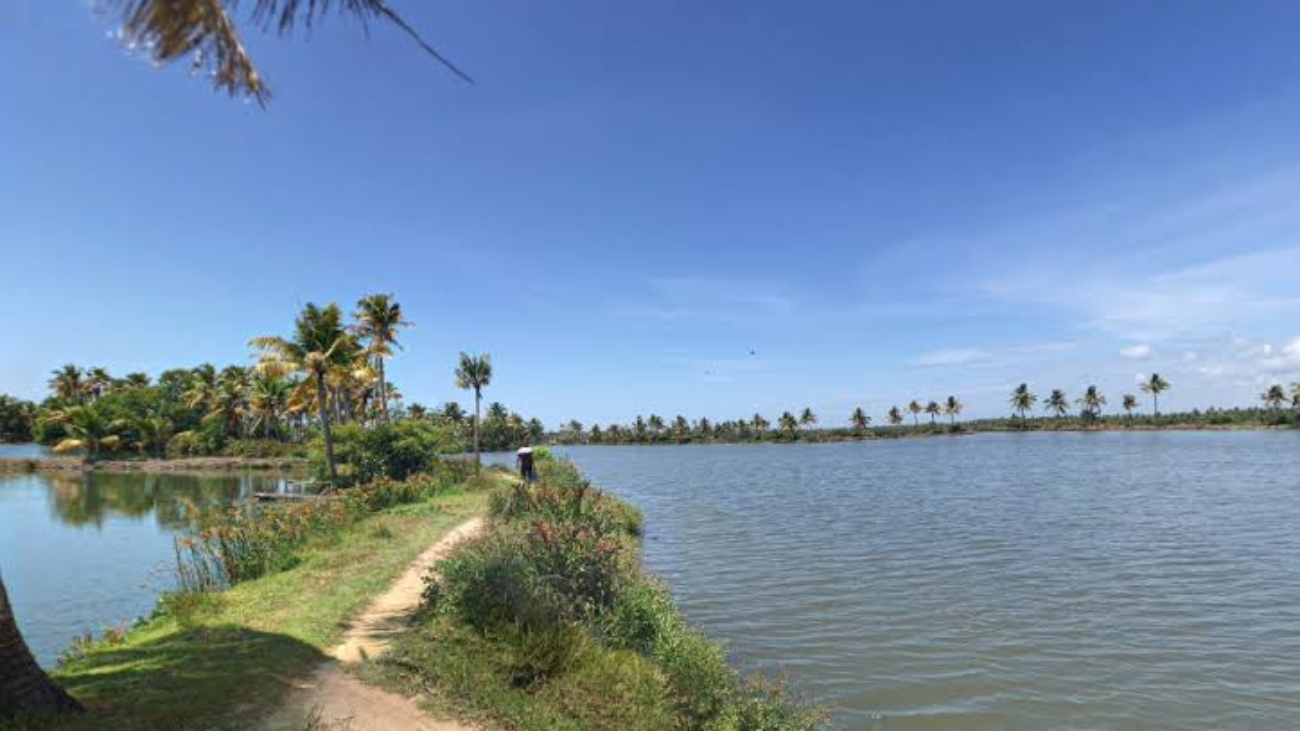
The Varapuzha–North Paravur–Kodungallur belt is one of Kerala’s most historically layered and geographically strategic regions. Sitting along the Periyar and its backwater networks, this belt carries centuries of maritime trade, religious diversity, cultural memory, and agricultural richness. Kodungallur stands as an ancient international port, Paravur as a trading town with deep Jewish and coastal heritage, and Varapuzha as a backwater island cluster with strong social fabric and an emerging suburban identity tied to Kochi. Yet, despite its potential, the region faces fragmented development, flood vulnerability, weak mobility links, and underutilized heritage assets. Kerala Vision 2047 imagines this belt as an integrated backwater–heritage economic zone—ecologically resilient, culturally vibrant, economically modern, and deeply connected to Kochi’s expanding metropolitan footprint.
The first transformation must focus on a unified river–backwater development plan. The Periyar and its tributaries form the lifeline of this belt, yet they face pollution, encroachment, and decreased navigability. By 2047, a Backwater Restoration Mission can revive waterways through dredging, mangrove regeneration, floodplain revival, waste regulation, and creation of river buffers. Enhanced navigability allows for water-based transport connecting Varapuzha, Paravur, and Kodungallur, reducing pressure on roads and providing an eco-friendly mobility alternative. Solar-powered ferries, water taxis, and barge-based cargo movement can reposition this belt as a model for water-centric urban development.
Varapuzha is evolving into a northern gateway of Kochi. With its island geography, riverfront views, and proximity to Edappally and Kalamassery, Varapuzha can develop as a serene residential–tourism–agriculture interface. By 2047, Varapuzha can host waterfront promenades, homestay clusters, canoe tourism circuits, organic vegetable farms, aquaponics centres, and community solar microgrids. Smart flood-resistant housing designs, elevated transport corridors, and strengthened embankments can protect the region from tidal surges and monsoon flooding. Its fishing communities and small traders must receive training, modern gear, cold storage access, and branding support to secure sustainable livelihoods.
North Paravur sits at the centre of this belt—commercially active, culturally rich, and strategically placed between Kochi and Kodungallur. By 2047, Paravur can evolve into a heritage-commercE node with revitalized markets, pedestrian-friendly streets, integrated bus–water transport terminals, and clean waterfront spaces. The Paravur Synagogue, Jewish street, coastal temples, and local craft clusters can be integrated into a “North Paravur Heritage District.” This district can host museums, craft studios, digital archives, food courts, and cultural performance spaces. Small industries—coir, seafood processing, handloom, and retail—can be modernized with digital tools, e-commerce platforms, and branding support. Paravur can also act as a northern suburban service zone offering health, education, logistics, and hospitality support to the wider metropolitan region.
Kodungallur holds unmatched historical and civilizational importance. The ancient port of Muziris once connected Kerala to the Red Sea, Rome, and Southeast Asia. By 2047, Kodungallur can evolve into India’s premier archaeological–cultural port city. The expanded Muziris Heritage Project can integrate archaeological sites, museums, walkways, waterways, and restored monuments into a coherent international tourism experience. A Maritime History Centre, spice-trade simulation galleries, and digital storytelling installations can narrate the 3,000-year legacy of trade and cultural exchange. The Kodungallur Temple, Cheraman Juma Mosque, and historic markets can be connected through curated cultural circuits. Eco-friendly infrastructure, night-time economy zones, and heritage-themed markets can give Kodungallur a unique identity merging antiquity with modernity.
Mobility will act as the unifying backbone of the belt. By 2047, an integrated mobility network with electric buses, cycle tracks, suburban rail access, water transport, and smart traffic systems can ensure smooth movement across the region. A Varapuzha–Paravur–Kodungallur mobility loop can connect residential zones, markets, tourist sites, and workplaces. Park-and-ride hubs, EV charging stations, and digital ticketing systems can enhance convenience and sustainability. Elevated cycleways along the backwater edge, shaded walking boulevards, and flood-resilient roads can improve livability and resilience.
Economic diversification must be central to this belt’s future. Key opportunities include:
1. Blue Economy and Fisheries Modernization:
Upgraded fish-landing centres, cold storages, value-added seafood units, and aquaculture research zones can transform the livelihoods of coastal and fishing communities. Sustainable fishing practices and marine safety systems build long-term resilience.
2. Agri-Backwater Farming:
Pokkali farming, rice–fish integrated systems, organic vegetable belts, and coconut-based industries can flourish with better market linkages and agri-tech tools.
3. Service and Tourism Economy:
Boutique hotels, homestays, Ayurveda centres, farm stays, backwater cruises, and culture-focused tourism enterprises can create steady employment.
4. Logistics and Trade:
Proximity to Kochi, NH-66, and water routes positions Paravur as a logistics-friendly zone for warehouses, last-mile hubs, and SME distribution networks.
Cultural preservation must guide development. This belt is a tapestry of Hindu, Christian, Jewish, and Islamic legacies. Rituals like Bharani, boat races, coastal festivals, and folk traditions must be celebrated and documented. Cultural academies, community conservatories, and youth heritage clubs can pass knowledge across generations.
Environmental sustainability is non-negotiable. By 2047, the region must adopt:
• Climate-resilient housing
• Large-scale mangrove expansion
• Zero-plastic coastal zones
• Waste-to-energy micro-units
• Rainwater harvesting at scale
• Riverbank foresting and wetland protection
These measures reduce vulnerability to flooding, erosion, and climate extremes.
Digital governance completes the belt’s 2047 vision. A unified digital platform can integrate water-level data, transport schedules, flood alerts, e-governance services, tourism information, and market linkages. Traders, fishermen, farmers, and artisans can access digital payments, training, and government schemes through mobile apps.
Kerala Vision 2047 thus imagines the Varapuzha–North Paravur–Kodungallur belt as a shining confluence of backwater ecology, global heritage, and modern economic dynamism. A region where ancient ports coexist with clean mobility, where communities thrive through sustainable livelihoods, where waterways become engines of growth, and where culture and nature blend into an identity of global appeal. With strategic planning and community participation, this belt can emerge as one of Kerala’s most distinctive and prosperous coastal–heritage corridors by 2047.
