
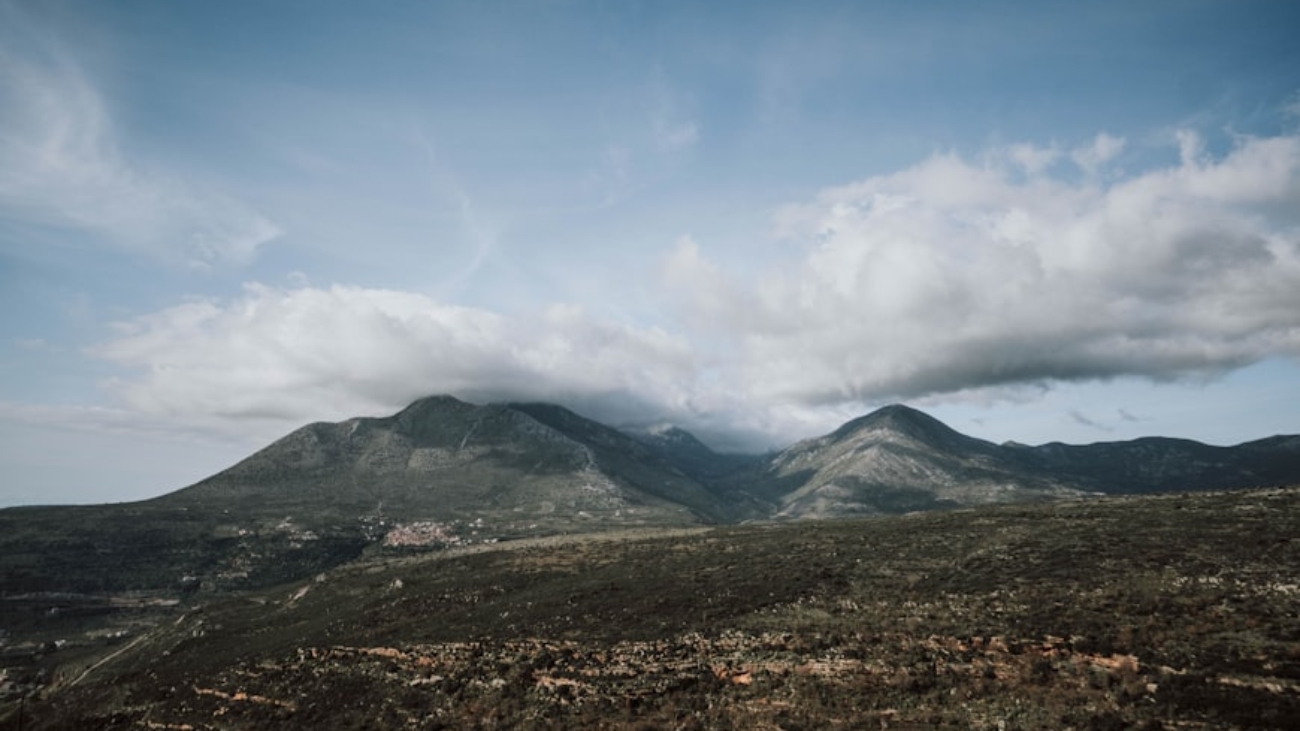
Kerala’s high-range regions—stretching across Idukki, Wayanad, Nilambur and the forested belts of Pathanamthitta—carry two crops that define their very soul: cardamom and coffee. These are not just agricultural products; they are cultural signatures of the Western Ghats. Yet, Kerala remains largely a supplier of raw produce sold cheaply in global markets, while others earn the real wealth through branding, roasting, flavouring, and retail. As India moves toward 2047, the time has come to shift from being a commodity producer to becoming a global brand creator. This is the only path to stable farmer incomes and a globally respected high-range identity.
Kerala Vision 2047 must therefore reimagine the entire value chain—how cardamom and coffee are cultivated, processed, marketed, certified, and showcased to the world. This transformation begins with building a strong origin identity. Much like Colombian Coffee, Ethiopian Forest Coffee, or Sri Lanka’s Ceylon Tea, Kerala’s high-range crops must carry a powerful geographical story. They are grown under monsoon clouds, cured with age-old techniques, and harvested by workers who understand the land’s rhythm. This story must become part of the brand itself.
The foundation of this new identity is a strong and enforceable GI ecosystem. While cardamom has GI status in limited form, it has not translated into real benefits for growers. Vision 2047 must establish a full-fledged GI Authority that sets uncompromising standards for quality, aroma, moisture levels, shade patterns, and farming methods. Only produce that truly reflects the terroir of the Ghats should be allowed under the Kerala label. This seal must carry weight globally, assuring buyers of authenticity and purity. A GI mark that is respected will itself become a premium.
The next step is economic empowerment through farmer-owned export cooperatives. For decades, small farmers have been trapped in auction systems and middlemen-controlled pricing. A new model is needed—one where growers own the export channels. These cooperatives can operate washing stations, grading lines, roasting units, drying chambers, and packaging centres. With professional management and digital tools, they can negotiate directly with international buyers. Once farmers capture the higher layers of value—branding, packaging, direct export—their income becomes stable and fair.
But no global brand thrives without compelling storytelling. Every packet of Kerala cardamom or coffee must carry the voice of the mountains. It must narrate the altitude, the mist, the hand-picked harvesting, the biodiversity, the shade-grown ecosystem. Global audiences today buy stories as much as they buy flavour. Kerala should invest in creating world-class content—videos, narratives, chef collaborations, tasting notes, and gastronomic tours. Influencers, restaurants, and specialty cafés across Europe, Japan, the Gulf, and North America can be powerful carriers of this story.
Economic stability requires price discipline as well. Kerala must establish its own spice and coffee futures platform so that farmers can hedge risks and avoid sudden market crashes. This enhances transparency and protects growers from external manipulation. Combined with digital auctions that ensure fair bidding, Kerala can reshape the global pricing influence for high-range produce.
Kerala Vision 2047 also calls for scientific farming reforms. The quality of these crops depends on precise conditions—soil health, rainfall, shade intensity, humidity, and post-harvest handling. High-range laboratories must support farmers with climate prediction, pest mapping, soil microbiome analysis, and improved curing techniques. Precision agriculture tools—drones, IoT soil probes, AI-based disease alerts—will help farmers maintain premium quality while reducing losses. Kerala must also encourage organic and chemical-free production to meet the rising global demand for clean, ethically grown products.
True transformation happens when value addition stays in Kerala. Instead of exporting raw beans and pods, Kerala should produce:
– specialty roasts, blends, and single-origin coffees
– cardamom chocolates, teas, essential oils, perfumes, nutraceuticals
– premium spice mixes, ready-to-brew coffee kits, and gourmet products
These industries generate employment in packaging, design, logistics, marketing, and manufacturing. They turn high-range agriculture into an advanced economic engine.
Tourism must become part of the branding process. High-range plantations can evolve into experience destinations—coffee trails, spice tasting rooms, eco-museums, roasting workshops, and plantation stay packages. When travellers experience cardamom and coffee at their source, they carry the brand story back to their countries. This organic marketing is powerful and lasting.
A just and sustainable 2047 vision must include plantation worker welfare. The workers who pick, dry, sort, and process these crops deserve fair wages, secure housing, insurance, and opportunities to upskill. Ethical labour practices add value in global markets, especially in Europe, where buyers demand transparency. Kerala’s plantations must become models of social responsibility.
Finally, Kerala must position itself confidently on the world stage. A High-Range Export Mission should coordinate international trade fairs, supermarket tie-ups, diplomatic promotions, and e-commerce penetration. Strategic partnerships with global coffee and spice associations will ensure visibility and credibility. With disciplined execution, Kerala can secure permanent shelf space in elite global markets.
By 2047, the goal is simple yet ambitious: Kerala should be recognised worldwide as the home of premium cardamom and signature high-range coffee, known for purity, aroma, and ethical production. This shift from raw export to branded export will uplift farmer incomes, create thousands of jobs, strengthen tourism, and give Kerala a respected global identity. It is not just an agricultural strategy—it is an economic renaissance for the mountains.
