
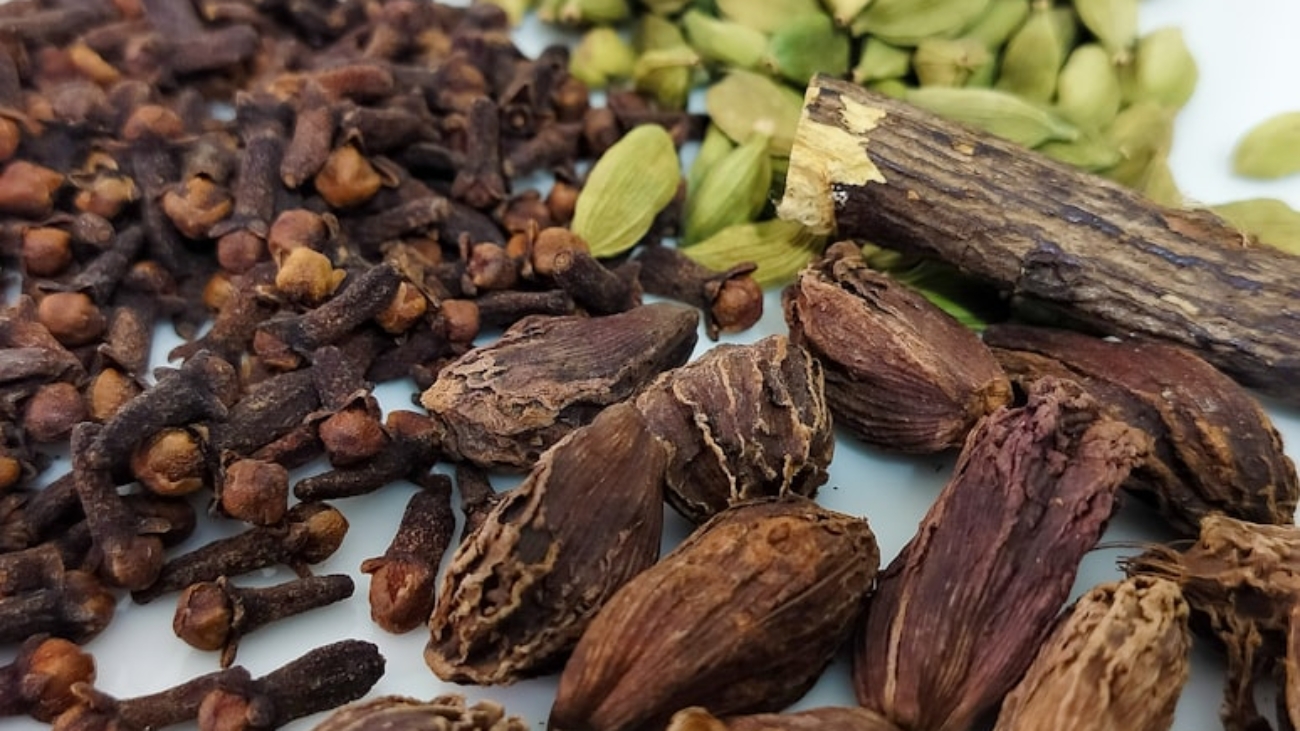
Kerala’s Western Ghats have shaped the state’s identity for centuries. The mist-covered slopes of Idukki, Wayanad, Pathanamthitta, and parts of Kannur once made Kerala the centre of the global spice trade. Cardamom, pepper, and cloves were not merely crops—they were currency, diplomacy, livelihood, and culture. Even today, thousands of families in the high ranges depend on these crops as their primary source of income. Yet this sector faces deep structural challenges: fluctuating global prices, climate vulnerability, pest outbreaks, land degradation, high input costs, and limited value addition. Meanwhile, global demand for premium spices, organic produce, and wellness-focused ingredients is rising. Kerala Vision 2047 must transform this traditional cash-crop economy into a globally competitive, climate-resilient, technology-driven agro powerhouse.
The first challenge is climate stress. The Western Ghats are experiencing unpredictable rainfall, extended dry spells, and rising temperatures that threaten spice cultivation. Cardamom plantations are extremely sensitive to humidity and temperature variations; pepper vines suffer from diseases like quick wilt; clove cultivation faces erratic flowering patterns. To secure the sector, Kerala must adopt climate-smart agro practices: precision irrigation, microclimate modification, misting systems, shade regulation, multilayer cropping, and real-time weather prediction tools. Plantation owners must receive support to convert to climate-resilient cropping systems, backed by scientific advisory networks and digital monitoring tools.
Equally important is the need for high-tech pest and disease management. Outbreaks such as stem borer in pepper or rot in cardamom can wipe out entire seasons. By 2047, Kerala must establish pest-forecasting labs, genomic research centres for disease-resistant spice varieties, and AI-driven pest detection tools that farmers can use on mobile phones. Training farmers in biological pest control—using natural predators, microbial sprays, and organic treatments—will reduce chemical dependence and protect soil health.
Another major goal is value addition. Today, most farmers sell raw cardamom pods, pepper berries, or dried cloves with minimal processing. The highest profits—grading, cleaning, oil extraction, oleoresins, packaging, blending, export branding—go to processors outside the farms. Kerala Vision 2047 must reverse this imbalance by promoting village-level spice processing hubs equipped with drying chambers, cleaning equipment, and grading machines. Farmer Producer Organisations (FPOs) should manage these hubs so that farmers capture more of the final product value. If farmers can produce export-ready spices themselves, their incomes can increase significantly.
Global markets now favour origin-certified, organic, and specialty spices. Kerala’s Western Ghats are ideal for producing GI-tagged, pesticide-free, shade-grown varieties. By 2047, Kerala must establish organic certification zones across Idukki and Wayanad, similar to wine appellations in Europe. Branding Kerala cardamom, Wayanad pepper, and Malabar cloves as luxury spices with terroir-based identity will elevate them to premium categories internationally. Kerala Spice Auctions must adopt transparent digital bidding systems to ensure farmers receive fair prices based on quality.
A significant shift must occur in export strategy. Currently, Indian spices face intense competition from Guatemala (cardamom), Vietnam (pepper), and Indonesia (cloves). These countries have lower production costs and aggressive export systems. Kerala Vision 2047 must reposition Kerala spices as premium, not commodity, products. This requires investments in global branding, participation in international food exhibitions, building supply relationships with gourmet markets, and forming Kerala Spice Boards within key export destinations. Diaspora networks must be mobilised to expand niche distribution channels.
The financial instability of spice farming requires strong risk mitigation mechanisms. Price crashes, disease outbreaks, and climate shocks push many farmers into debt traps. Kerala must introduce crop insurance schemes tailored to high-value spices—covering both yield loss and quality deterioration. A floor price mechanism, backed by cooperatives or the government, can protect farmers during extreme price drops. Predictive pricing platforms can help farmers plan output based on global trends.
Soil health restoration is critical. Decades of chemical-intensive farming have compacted soils, reduced microbial life, and lowered fertility in many spice-growing regions. Vision 2047 must promote soil regeneration using composting, mulching, biochar, green manures, and microbial inoculants. Farmers need training to transition from chemical dependency to regenerative spice cultivation, which enhances both yield stability and long-term sustainability.
Water management is another priority. Western range cultivation relies heavily on springs, streams, and rainfall, but water sources are shrinking due to climate change and deforestation. Kerala must build micro-irrigation networks, community ponds, contour trenches, and small check-dams that recharge groundwater. Plantation landscapes must be restored through native tree planting, streambank protection, and watershed management programmes led jointly by farmers and forest communities.
High-range farmers often face market isolation. Poor road connectivity, limited cold-chain facilities, and lack of aggregation points make it difficult for small farmers to reach premium buyers. By 2047, Kerala must build Spice Logistics Corridors connecting high-range production zones to processing centres, airports, and ports. These corridors should include climate-controlled warehouses, digital weighbridges, and testing laboratories for quality verification.
Digital integration must be a central pillar. Farmers should have access to apps that provide real-time weather alerts, pest warnings, soil analytics, global price trends, and crop advisory services. Digital traceability systems—blockchain-based—can record every stage of spice production, increasing trust among international buyers and preventing adulteration.
To support long-term prosperity, Kerala must nurture next-generation high-range entrepreneurs. Many youth from farming families are migrating out because they see little future in agriculture. Vision 2047 must create mentoring programmes, startup accelerators, spice tourism entrepreneurship schemes, and skill centres focused on plantation management, product design, agritech, and export marketing. Youth should see high-range farming not as an outdated livelihood but as a profitable, knowledge-intensive industry.
Kerala should also develop Spice Tourism Circuits. Visitors should be able to walk through farms, witness spice processing, attend culinary workshops, and buy products directly from farmers. Farm-stay programmes can create additional income streams and strengthen the cultural identity of the Western Ghats.
Finally, sustainability must guide every intervention. The Western Ghats are ecologically fragile, home to endangered species, unique forest types, and vital watersheds. Spice expansion must never come at the cost of ecological damage. Vision 2047 must prohibit encroachment into forests, incentivise agroforestry systems that blend spices with native trees, and promote biodiversity-friendly farming.
By 2047, Kerala must aim to transform its cardamom, pepper, and clove sector into a climate-resilient, globally branded, technology-integrated, farmer-centric industry. When the Western Ghats farmers prosper, Kerala prospers. When spice value chains modernise, the state gains global recognition. When agriculture aligns with ecology, future generations inherit both wealth and natural heritage.
Kerala Vision 2047 is not merely about preserving an old spice legacy—it is about building a new global identity rooted in the mountains, sustained by innovation, and powered by the people who call the high ranges home.
