
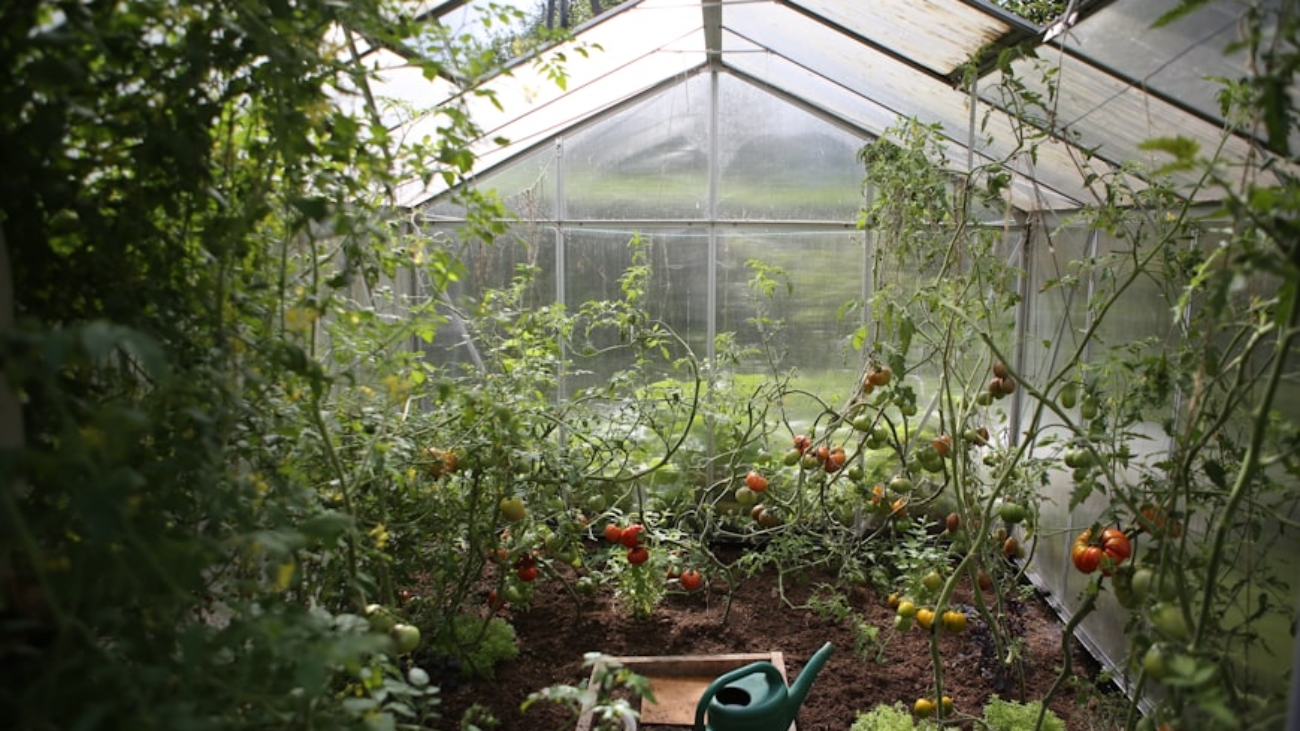
Kerala, with its dense urbanisation, limited cultivable land, and high dependence on food imports from neighbouring states, faces a structural challenge in ensuring long-term food security. As cities expand and climate change disrupts rainfall patterns, the traditional rural-dominated food production system will become insufficient for Kerala’s needs. Kerala Vision 2047 places urban agriculture at the centre of a new food security strategy—transforming rooftops, balconies, public institutions, unused land pockets, and even vertical facades into productive, climate-smart farms. By integrating technology, community participation, and ecological design, urban agriculture can become a powerful pillar of Kerala’s food resilience.
The first step is redefining the role of cities in food production. Until recently, urban areas were seen purely as consumption centres. But by 2047, Kerala must reimagine its cities—Kochi, Thiruvananthapuram, Kozhikode, Thrissur, Kollam, and emerging secondary towns—as agro-ecological systems. With rising population densities and the vulnerability of food supply chains, cities need to produce at least a portion of their vegetables, greens, medicinal plants, eggs, mushrooms, and even fish. Rooftops alone in Kerala’s major cities represent thousands of acres of potential cultivation area. If 20–30 percent of urban households adopt micro-farming, Kerala can reduce external dependence significantly.
Technology will play a transformative role. By 2047, cities can adopt vertical farming towers, hydroponic units, aeroponic stacks, and AI-controlled microclimate pods that use 90 percent less water and produce crops year-round. These systems, once expensive, are rapidly becoming affordable. Urban hydroponic clusters in Kochi, Trivandrum, and Calicut can serve as demonstration hubs, enabling youth and entrepreneurs to run high-yield, small-footprint farms. Smart sensors can monitor moisture, nutrient levels, sunlight, and growth metrics, while mobile apps guide citizens on cultivation techniques. The vision is to enable every household, school, office, and apartment complex to become a micro-producer of food.
Public institutions must lead by example. Schools, hospitals, government buildings, railway stations, bus stands, and municipal complexes have large rooftops that remain unused. Under Kerala Vision 2047, these spaces can be converted into community food gardens producing organic vegetables for local supply chains. Schools can integrate farming into their curriculum, teaching children about ecology, nutrition, and climate adaptation. Hospitals can grow medicinal herbs on their campuses, supporting Ayurvedic and naturopathic treatments. Government offices can run rooftop farms as part of their sustainability mandates. Such symbolic leadership accelerates public participation.
Community farming is essential for long-term impact. By 2047, every urban panchayat, municipality, and corporation should have at least one large community farm—on reclaimed landfills, lake shores, riverbanks, or unused government land. These farms can be operated by women’s SHGs, migrant workers, senior citizens, or local youth groups, creating livelihood opportunities and social cohesion. Urban farming cooperatives can manage seed distribution, composting, marketing, training, and local vegetable vending. Community food forests—with layered vegetation and perennial crops—can provide fruits, herbs, and biodiversity benefits.
Organic waste is both a challenge and an opportunity. Kerala’s cities generate enormous quantities of biodegradable waste daily. Under a 2047 urban agriculture vision, all organic waste can be channelled into neighbourhood composting units, biogas plants, or vermicomposting pits. This creates a circular economy where city-grown food feeds people, and people-generated waste feeds the soil. Municipalities can offer compost subsidies, waste-to-food credits, and carbon points to households and institutions that contribute to local farming ecosystems. The result: cleaner cities and nutrient-rich soils.
Water efficiency will define the sustainability of urban agriculture. Kerala receives abundant rainfall but struggles with water storage and distribution. By 2047, cities can adopt rooftop rainwater harvesting, greywater recycling for gardens, and drip irrigation systems that minimize wastage. Flood-prone cities like Kochi and Alappuzha can integrate floating gardens—an age-old practice in parts of Asia—allowing cultivation even during monsoon deluges. Peri-urban wetlands can be restored as food-producing ecosystems, supporting fish, prawns, and aquatic vegetables.
Urban agriculture must also strengthen food access and public health. By encouraging city-grown leafy greens, indigenous vegetables, and pesticide-free produce, Kerala can reduce lifestyle diseases linked to poor diets. Local markets and vending kiosks can prioritize urban farmers, ensuring fresh, affordable food for low-income households. Urban farming programmes can target economically vulnerable families, helping them reduce grocery expenses by growing food at home. Over time, this creates a more equitable food system.
Entrepreneurship opportunities are vast. By 2047, Kerala can nurture thousands of urban agri-startups in areas such as hydroponic kits, rooftop farm design, nutrient solutions, organic fertilizers, seedling production, smart irrigation, packaging, and hyperlocal vegetable delivery. Training centres in each district can equip youth with skills in aquaponics, smart farming, composting, and urban livestock care. Women-led micro-enterprises can flourish in balcony farming, mushroom cultivation, microgreens production, and backyard poultry. Financing models—microcredit, startup loans, grants, and carbon credits—can support new ventures.
Municipal governance needs restructuring to support the 2047 vision. Cities must designate Urban Agriculture Zones, simplify guidelines for rooftop structures, offer tax rebates for green roofs, and enforce building rules that require vegetation spaces. Urban planning documents—master plans, mobility plans, town planning schemes—must integrate food production as a core urban function. Local governments can appoint Urban Agriculture Officers responsible for training, coordination, and monitoring.
Environmental benefits will be substantial. Urban farms reduce heat islands, improve air quality, enhance biodiversity, and support pollinators. They also build climate resilience by ensuring food availability during disasters or supply chain disruptions. After the 2018 floods, Kerala witnessed the fragility of its food networks; by 2047, distributed urban agriculture can act as a stabilizing force.
Culturally, urban agriculture revives Kerala’s heritage of homestead farming (parambu krishi). Even as lifestyles modernize, reconnecting people with soil, food, and nature strengthens community well-being and cultural continuity.
Kerala Vision 2047 ultimately imagines cities that produce food, recycle nutrients, support livelihoods, and strengthen local economies. Urban agriculture becomes a symbol of Kerala’s resilience—modern yet rooted, technological yet ecological, individual yet collective. By mobilizing households, institutions, entrepreneurs, and governance systems, Kerala can emerge as a national leader in climate-smart urban food systems. In a future marked by climate uncertainty and supply chain risks, Kerala’s urban farms will become islands of security, health, and community harmony.
