
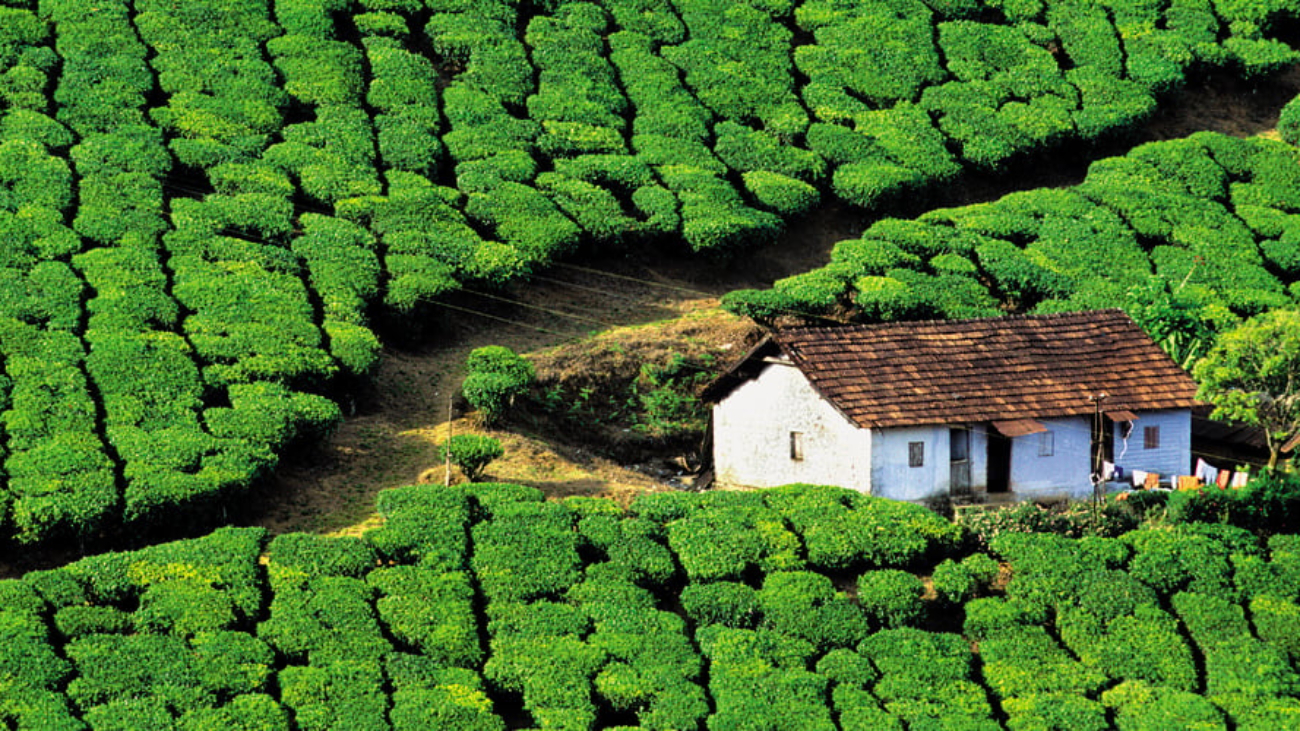
Idukki is often spoken of as terrain—hills, forests, dams, plantations, wildlife corridors. That language itself is the problem. Terrain is treated as something to be administered from elsewhere, exploited episodically, or preserved sentimentally. Women in Idukki live inside this terrain daily, yet remain excluded from authority over land, forests, energy, and ecological decision-making. Empowerment here cannot mean micro-enterprises disconnected from geography. It must mean women becoming custodians and governors of land, ecology, and resource systems. The core theme for Idukki must be women as guardians of land, forests, and energy sovereignty.
The first shift required is to reposition land from inheritance to governance. Women in Idukki often possess land through family structures but lack authority over how it is classified, used, protected, or transferred. Empowerment begins when women are trained in land laws, forest regulations, zoning frameworks, and revenue systems. A woman who understands land classification controls disputes, development trajectories, and long-term ecological outcomes. Without land literacy, ownership remains symbolic.
The second shift is women-led forest governance. Forests in Idukki are managed through distant bureaucracies, while women bear the consequences of human-wildlife conflict, access restrictions, and livelihood loss. Women must be trained and positioned as forest interface managers—coordinating between forest departments, local communities, tribal groups, and conservation bodies. This includes buffer zone planning, conflict mitigation, resource access negotiation, and community monitoring. When women manage the interface, confrontation reduces and compliance increases.
The third shift is energy stewardship beyond dams. Idukki is central to Kerala’s hydropower narrative, yet women have no say in how energy projects impact ecology, displacement, or water flows. Empowerment here means training women to understand energy systems—hydrology, load management, environmental impact, and grid logic. Women must sit on local energy oversight committees, impact assessment teams, and rehabilitation monitoring units. Energy literacy converts women from affected populations into negotiating stakeholders.
The fourth shift is climate governance as everyday administration. Landslides, erratic rainfall, drought patches, and ecological degradation are not disasters; they are patterns. Women must be trained as climate monitors, early-warning coordinators, and adaptation planners. This includes slope management, water retention strategies, forest cover monitoring, and disaster preparedness. Authority grows when women are seen as the people who prevent loss rather than respond to tragedy.
The fifth shift is tribal women leadership and knowledge sovereignty. Idukki is home to multiple indigenous communities whose ecological knowledge has been marginalised or extracted without credit. Empowerment must prioritise tribal women as knowledge holders, negotiators, and rights defenders. This includes forest produce governance, biodiversity documentation, land rights mediation, and cultural preservation with legal backing. When tribal women speak with institutional authority, exploitation becomes harder to justify.
The sixth shift is sustainable agriculture and plantation transition leadership. Tea, coffee, spices, and hill agriculture face market volatility and climate stress. Women must lead transitions toward resilient cropping systems, soil restoration, water-efficient practices, and value-added processing. This is not about romantic farming. It is about managing risk, diversifying income, and stabilising ecosystems. Women who control agricultural strategy control household and regional stability.
The seventh shift is eco-regulation and compliance power. Environmental laws exist, but enforcement is inconsistent and often politicised. Women must be trained as compliance auditors, environmental documentation specialists, and local enforcement coordinators. When regulation is local, data-driven, and female-led, violations reduce quietly. Fear of documentation is more effective than confrontation.
The eighth shift is data ownership of ecology. Forest cover, wildlife movement, water tables, soil quality, and climate patterns generate continuous data. Women must be trained to collect, manage, and interpret this data using both traditional knowledge and modern tools. Data transforms lived experience into negotiating leverage with departments, courts, and funding agencies. Without data, ecological voices are dismissed as emotional.
The ninth shift is mediation authority in land and resource conflicts. Idukki experiences frequent conflicts—human-wildlife, farmer-forest, dam-community, tourism-ecology. Women trained in mediation, documentation, and procedural justice can become trusted conflict resolvers. This role builds authority precisely because it avoids spectacle. Quiet resolution creates long-term legitimacy.
The tenth shift is economic dignity tied to stewardship. Women should not be forced to choose between ecology and income. Stewardship roles must be economically viable through monitoring contracts, consulting roles, compliance audits, eco-certification services, and advisory positions. When protecting land pays, protection becomes sustainable.
The eleventh shift is intergenerational ecological continuity. Older women carry memory of landscapes before disruption; younger women bring tools to analyse and formalise that memory. Empowerment lies in building systems where experiential knowledge is documented, transferred, and institutionalised. Landscapes that remember survive longer than landscapes that forget.
The twelfth shift is political insulation through moral authority. Ecological guardianship builds credibility that transcends party lines. Women who are seen as protectors of land, water, and life acquire authority that politicians hesitate to challenge openly. This is not activism. It is legitimacy rooted in survival.
If Idukki succeeds in this model, it becomes Kerala’s ecological conscience with teeth. Not protest-driven, not sentiment-based, but structured, data-backed, and authority-oriented. Women empowerment here will not be loud or urban. It will be patient, rooted, and unmovable. In a century defined by climate stress and resource conflict, the district that trains women to govern land and ecology is training society to endure.
