
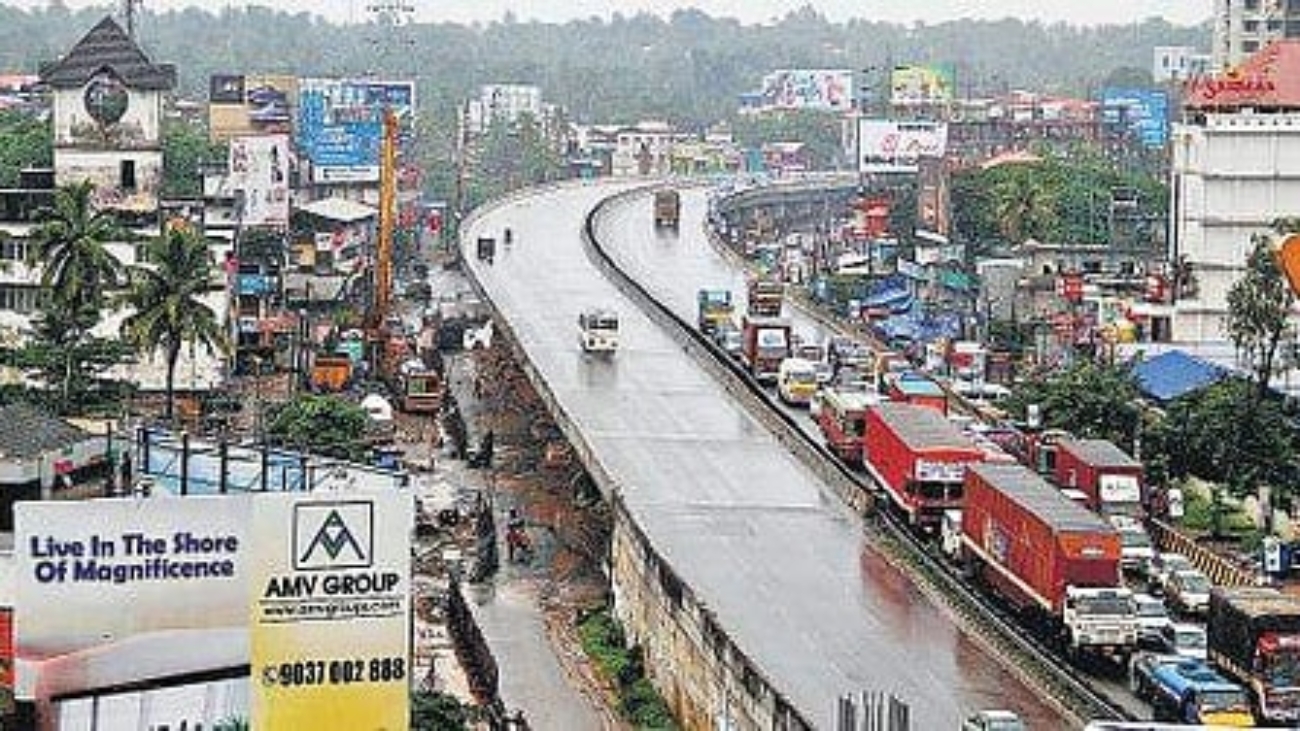
The Aluva area of Ernakulam district occupies a structurally critical position in Kerala’s urban and environmental geography. Anchored by the Periyar river, rail and road junctions, industrial legacy zones, residential neighbourhoods, pilgrimage activity, and expanding suburban housing, Aluva functions simultaneously as a transit hub, river town, and living city. Its fiscal stress is chronic and cyclical, driven by flood risk, infrastructure aging, and continuous movement, while revenue mechanisms remain blunt and historically underpowered. Vision Kerala 2047 requires Aluva to evolve from a flood-managed town into a river-centred, risk-priced urban system where resilience, mobility, and revenue are structurally aligned.
Property taxation in Aluva undercaptures both locational advantage and risk mitigation. Proximity to the Periyar, transport hubs, and commercial corridors significantly increases land utility, yet assessments remain conservative due to flood history and legacy classifications. By 2047, property valuation must move to a risk-adjusted utility model. Properties benefiting from flood protection works, raised roads, drainage upgrades, and improved river management should be reassessed gradually to reflect reduced vulnerability and higher usability, while genuinely flood-exposed and low-income households receive targeted relief. This ensures that public investment in resilience recycles back into fiscal capacity rather than remaining a permanent subsidy.
River management is Aluva’s largest recurring public cost. Desilting, embankment repair, sewage interception, waste removal, and flood preparedness consume significant resources annually. Vision Kerala 2047 must treat river services as a priced urban utility rather than an emergency obligation. Environmental service contributions should apply to commercial establishments, institutions, and high-density housing clusters that benefit directly from river stabilisation and drainage reliability. When ring-fenced, these contributions create a permanent river resilience fund, reducing dependence on post-disaster grants.
Transit intensity is another major fiscal externality. Aluva’s railway station, bus movement, and road junctions generate continuous inflow of commuters, pilgrims, and freight. Road wear, congestion, policing, and sanitation costs rise accordingly, yet movement remains largely unpriced. Vision Kerala 2047 should institutionalise mobility-linked urban service contributions. Managed parking pricing, corridor-specific access fees, and time-windowed freight movement can convert transit load into predictable revenue while improving safety and traffic flow.
Pilgrimage and ritual activity around the river adds episodic but intense service pressure. Festivals, bathing rituals, and temple events generate waste, crowd management costs, and public health risks. Vision Kerala 2047 should normalise event-linked service contributions collected through organisers, parking systems, and temporary commercial permits. When transparently earmarked, these funds can finance sanitation, water quality monitoring, and emergency preparedness during peak periods.
Industrial legacy zones and emerging commercial activity also require recalibration. Warehousing, workshops, and service hubs generate heavy vehicle movement and environmental load. By 2047, differentiated access and impact fees for bulk commercial and logistics activity should be standard. These revenues must be reinvested into road strengthening, drainage integration, and worker safety, reducing long-term maintenance costs.
Expenditure efficiency is critical in a flood-prone town. Repeated post-flood repairs are fiscally destructive. Vision Kerala 2047 should mandate predictive maintenance, pre-monsoon audits, and load-based infrastructure design for roads, drains, and embankments. International evidence shows that preventive river management reduces long-term costs by 30–40 percent compared to reactive recovery. These avoided costs effectively function as revenue by preserving fiscal space.
Housing density along the river increases both vulnerability and service demand. Vision Kerala 2047 should introduce differentiated service pricing for bulk rental properties and high-occupancy buildings, combined with incentives for on-site waste management, water reuse, and elevated construction standards. Reduced strain on public systems translates into lower operating expenditure and improved safety.
Energy and water efficiency offer stabilising gains. Public buildings, markets, and housing clusters can adopt shared solar, efficient pumping, and rainwater harvesting. By 2047, savings from reduced public energy and water expenditure should be pooled into a local river resilience and maintenance fund supporting monitoring systems, lighting, and emergency shelters.
Borrowing must be conservative and purpose-driven. Aluva does not need prestige projects but sustained investment in drainage integration, embankment strengthening, pedestrian safety, and sanitation. Small, ring-fenced loans backed by environmental service contributions, mobility charges, and event fees can finance these needs. Debt servicing should remain below 7 percent of locally generated revenue to maintain flexibility during flood years.
Transparency is essential in a town shaped by repeated crises. Residents must trust that contributions reduce risk rather than disappear into general budgets. By 2047, public dashboards showing river maintenance schedules, flood mitigation works, revenue inflows, and service outcomes should be standard. Visibility builds cooperation and compliance.
By mid-century, the Aluva area should aim to finance most of its river management, mobility maintenance, and local infrastructure costs through locally generated, risk- and usage-linked revenues. State and central funds can then focus on basin-level interventions beyond local control rather than routine urban firefighting.
Aluva’s identity is inseparable from the Periyar. Vision Kerala 2047 must ensure that living by the river does not mean living with perpetual fiscal and environmental insecurity. A river-centred finance model that prices protection, rewards prevention, and funds dignity can transform Aluva from a recurrent risk zone into a resilient, confident urban gateway.
