
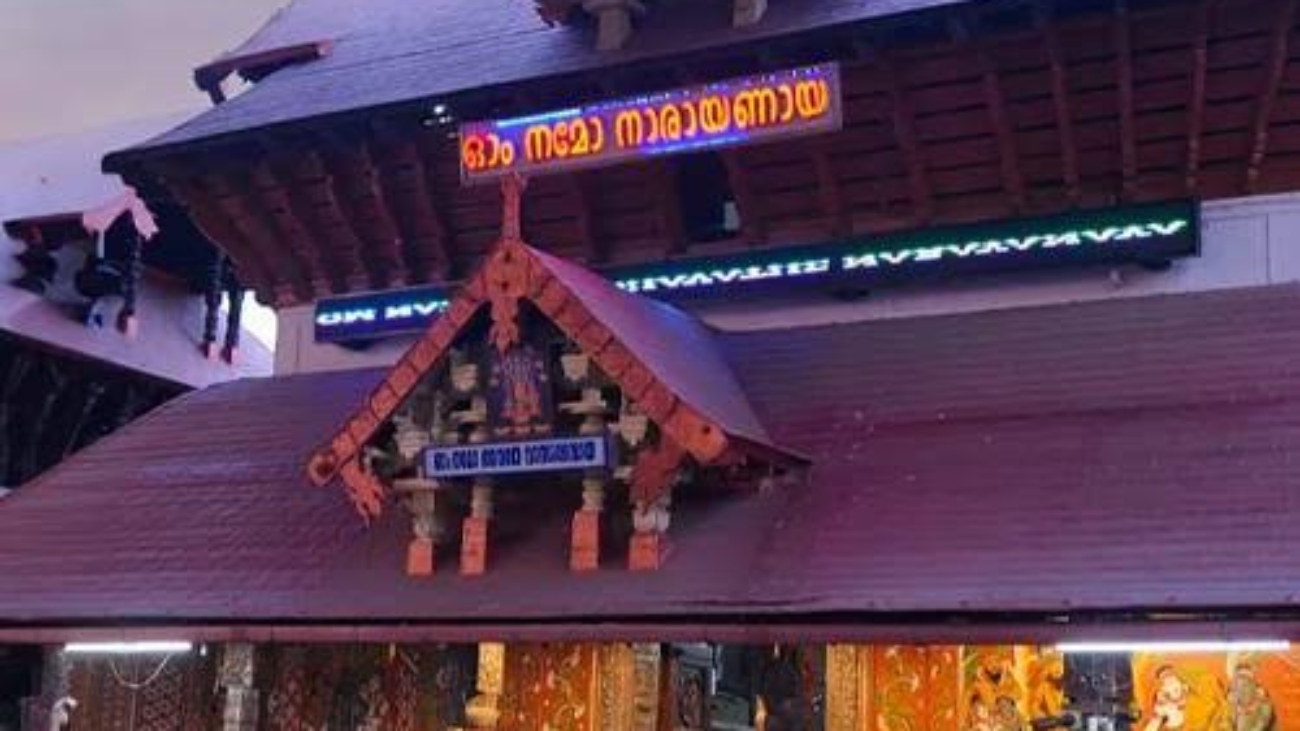
The Chavakkad–Guruvayur coastal belt of Thrissur district is one of Kerala’s most intense pilgrimage-driven urban ecosystems. Anchored by the Guruvayur Temple, coastal settlements, fisheries, lodging clusters, transport corridors, and ritual tourism, this area absorbs massive seasonal and daily footfall that far exceeds its resident population. The public costs of sanitation, crowd management, water supply, policing, health services, and coastal protection are continuous and rising, while local revenue systems remain fragmented and politically constrained. Vision Kerala 2047 requires this belt to transition from a pilgrimage-subsidised zone into a dignity-centred sacred economy that finances cleanliness, safety, and resilience without commodifying faith.
Property taxation in the Chavakkad–Guruvayur area undercaptures functional and locational advantage. Lodges, hotels, guest houses, rental homes, marriage halls, and commercial buildings benefit directly from temple-driven demand and coastal access, yet assessments often remain close to residential norms due to legacy classification and sensitivity around religious towns. By 2047, valuation must move toward a use-based and occupancy-aware model. Properties primarily serving pilgrims and tourism should be assessed based on room density, turnover proxies, and service load, while long-settled residential households are protected through phased reassessment and relief. This allows fair value capture without disrupting community life.
Pilgrimage footfall is the defining fiscal externality. On peak days, the number of visitors can exceed the local population several times over, placing extraordinary strain on sanitation, waste management, water supply, traffic control, public health, and emergency response. Yet these costs are largely absorbed through state funding and ad hoc arrangements. Vision Kerala 2047 should normalise pilgrimage-linked service contributions collected through lodging permits, parking systems, organised transport, and event management structures. These contributions must be transparently earmarked for toilets, waste logistics, drinking water points, lighting, medical response, and crowd safety infrastructure. Even small per-visitor charges, when aggregated at scale, can fund world-class public services without affecting devotion or access.
Religious institutions and associated events add episodic but predictable service pressure. Festivals, rituals, processions, and marriage seasons create intense surges that overwhelm baseline infrastructure. Vision Kerala 2047 should introduce event-linked service agreements with organisers, temple-linked trusts, and commercial operators benefiting from these surges. Revenues should support temporary sanitation facilities, crowd barriers, lighting, policing, and emergency preparedness, reducing reliance on crisis-driven mobilisation.
Fisheries and coastal livelihoods form a parallel economic system that must be protected. Landing points, net repair areas, ice plants, and informal markets generate continuous sanitation and access demand but operate at thin margins. Vision Kerala 2047 must clearly distinguish subsistence fishing from commercial-scale processing and trading. Small-scale fishers should face minimal fiscal burden and receive service priority, while larger processing units and traders contribute through fisheries-linked service agreements. Revenues must be reinvested locally into harbour sanitation, cold-chain waste handling, lighting, and worker safety, strengthening livelihoods rather than displacing them.
Sanitation is the most visible and politically sensitive fiscal challenge. Pilgrim waste, food waste, fish waste, and high-density housing overwhelm existing systems, particularly during peak seasons. Vision Kerala 2047 must treat sanitation as core economic infrastructure. Area-based sanitation service charges linked to lodging clusters, food streets, and markets should be introduced, with strict reinvestment into daily waste removal, public toilets, drainage maintenance, and beach cleanliness. Clean surroundings directly protect public health and the sanctity of the pilgrimage experience.
Coastal and flood vulnerability impose recurring costs. Erosion, salt corrosion, storm surges, and monsoon flooding damage roads, drains, housing edges, and public facilities repeatedly. Vision Kerala 2047 must institutionalise resilience-linked service contributions for commercial establishments, lodging facilities, and developments that benefit from sea walls, drainage upgrades, and coastal protection works. Preventive investment consistently costs far less than repeated post-damage repair and emergency relief.
Mobility management is a critical lever. Narrow roads carry pilgrims, buses, private vehicles, fishing traffic, and pedestrians simultaneously. Unregulated parking and freight movement accelerate damage and congestion. Vision Kerala 2047 should adopt time-windowed freight access, demand-based parking pricing near temple and beach zones, and pedestrian-priority corridors. Revenue from these measures should be reinvested into road strengthening, footpaths, lighting, and enforcement, improving safety while funding maintenance.
Expenditure efficiency must prioritise durability and planning over reaction. Patchwork repairs in saline, high-footfall environments fail quickly. Vision Kerala 2047 should mandate marine-grade standards, lifecycle budgeting, and predictive maintenance for roads, drains, lighting, sanitation blocks, and public buildings. Though upfront costs are higher, lifecycle savings of 20–30 percent are achievable, effectively expanding fiscal capacity.
Energy and utilities offer stabilising gains. Lodges, markets, public buildings, and sanitation facilities are suitable for shared solar and efficient lighting. By 2047, savings from reduced public energy expenditure should be pooled into a local pilgrimage-infrastructure fund supporting lighting, surveillance, drinking water, and emergency systems.
Borrowing must be conservative and service-linked. The Chavakkad–Guruvayur belt does not require speculative construction but sustained investment in sanitation, access, safety, and resilience. Small, ring-fenced loans backed by pilgrimage service contributions, lodging charges, and parking revenue can finance these needs. Debt servicing should remain below 6 percent of locally generated revenue to preserve flexibility during peak seasons.
Transparency is essential in a sacred geography where trust matters deeply. Residents, pilgrims, temple authorities, and businesses must see visible improvement rather than symbolic announcements. By 2047, public dashboards showing sanitation cycles, crowd management measures, revenue collection, and service outcomes should be standard. Visibility builds shared responsibility and reduces conflict.
By mid-century, the Chavakkad–Guruvayur coastal belt should aim to finance the majority of its sanitation, access maintenance, and resilience costs through locally generated, activity-linked revenues, while protecting faith-based access and traditional livelihoods. State support can then focus on major coastal protection and regional transport integration rather than daily service firefighting.
Guruvayur is a sacred centre, not a theme park. Vision Kerala 2047 must ensure that devotion is met with dignity and safety, not neglect and strain. A pilgrimage-centred finance model that prices activity fairly, funds prevention, and respects faith can allow this coastal belt to remain humane, resilient, and orderly for generations.
