
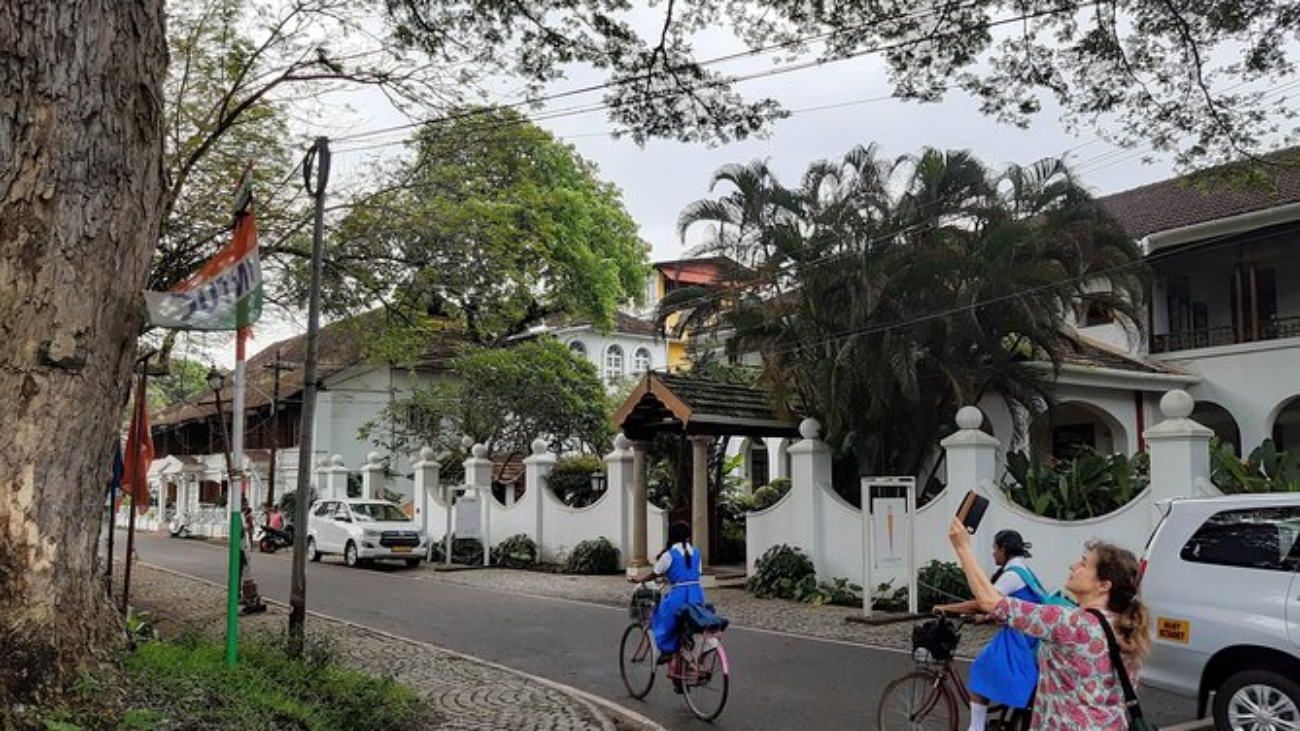
The Fort Kochi–Mattancherry area of Ernakulam district represents one of Kerala’s most paradoxical urban economies. It is globally visible yet locally fragile, culturally rich yet fiscally weak, and economically active yet chronically underfunded. Heritage tourism, port adjacency, hospitality, art, fishing livelihoods, and dense residential settlements coexist in a space where public infrastructure bears enormous strain while revenue mechanisms remain fragmented and outdated. Vision Kerala 2047 requires Fort Kochi–Mattancherry to transition from a grant-dependent heritage zone into a self-financing cultural and maritime district that pays for its own preservation, cleanliness, and dignity.
Property taxation in Fort Kochi–Mattancherry is distorted by heritage classification and legacy tenure systems. Many properties generate high rental income through homestays, boutique hotels, cafés, galleries, and short-term rentals, yet are assessed at near-residential levels due to building age or heritage status. By 2047, property valuation must shift from age-based depreciation to use-based differentiation. Heritage protection should apply to façades and form, not to economic activity occurring inside. Commercial and hospitality uses must be assessed based on occupancy, turnover proxies, and service load, while long-settled residential households are protected through phased reassessment and relief mechanisms.
Tourism-driven footfall is the area’s dominant fiscal externality. Festivals, cruise arrivals, art events, restaurants, and heritage walks generate intense but episodic pressure on sanitation, waste management, policing, lighting, and emergency services. Yet much of this cost is socialised. Vision Kerala 2047 should normalise visitor-linked service contributions through accommodations, event permits, cruise handling charges, and parking systems. Even modest per-visitor levies, transparently earmarked, can fund cleanliness, public toilets, street maintenance, and safety without affecting tourism demand.
Port and maritime activity adds another layer of stress. Cargo movement, fishing operations, ferry services, and port-related logistics impose continuous pressure on roads, drainage, and coastal infrastructure. Yet port externalities are poorly priced locally. Vision Kerala 2047 must institutionalise port-linked urban service contributions, calibrated to activity volume and ring-fenced for road strengthening, drainage, coastal protection, and worker safety. Port cities globally that fail to do this experience infrastructure decay despite hosting valuable maritime assets.
Hospitality and creative commerce are major but under-leveraged revenue bases. Cafés, galleries, guesthouses, and restaurants operate at high margins relative to traditional commerce, yet licensing remains flat and symbolic. By 2047, turnover-band-based trade licensing and area service agreements should be standard. Revenues should be reinvested locally into promenades, lighting, waste logistics, and public spaces, directly enhancing the visitor economy that sustains these businesses.
Fishing and traditional livelihoods require careful fiscal separation. Small-scale fishers and long-established residents should not bear the cost of tourism and port activity. Vision Kerala 2047 must clearly distinguish subsistence livelihoods from commercial hospitality and logistics. Fisheries-linked service agreements should apply only to commercial-scale processing, storage, and export operations, while traditional activity remains protected and prioritised for sanitation and access.
Environmental exposure is a persistent fiscal risk. Salt corrosion, coastal erosion, flooding, and climate variability accelerate infrastructure decay. Vision Kerala 2047 must treat resilience as a standing operating expense rather than an emergency response. Resilience-linked service contributions should apply to developments and commercial activities benefiting from sea walls, drainage upgrades, and coastal protection works. Preventive investment consistently costs far less than repeated post-disaster repair.
Expenditure efficiency must prioritise durability and conservation. Patchwork repairs damage heritage fabric and waste resources. Vision Kerala 2047 should mandate marine-grade materials, conservation-compatible infrastructure standards, and predictive maintenance for roads, lighting, and utilities. Lifecycle savings of 20–30 percent are achievable, effectively expanding fiscal capacity without new taxation.
Energy and utilities offer supportive opportunities. Heritage buildings, public facilities, and hospitality clusters can adopt shared solar, efficient lighting, and water management systems adapted to conservation norms. By 2047, savings from reduced public energy expenditure should be pooled into a heritage maintenance and resilience fund supporting lighting, surveillance, and emergency preparedness.
Borrowing should be limited and tightly controlled. Fort Kochi–Mattancherry does not need expansion projects but sustained investment in preservation, sanitation, coastal protection, and public space quality. Small, ring-fenced loans backed by tourism fees, hospitality contributions, and port-linked revenues can finance these needs. Debt servicing should remain below 6 percent of locally generated revenue to preserve resilience in a sensitive zone.
Transparency is essential in a culturally and politically visible area. Residents, artists, traders, and visitors must trust that charges support preservation rather than vanish into general budgets. By 2047, public dashboards showing visitor numbers, revenue collection, sanitation cycles, heritage maintenance works, and reinvestment outcomes should be standard. Visibility builds social licence for continued activity.
By mid-century, the Fort Kochi–Mattancherry area should aim to finance the majority of its maintenance, sanitation, and heritage conservation costs through locally generated, activity-linked revenues. State and central funds can then focus on major cultural preservation and maritime infrastructure beyond local capacity.
Fort Kochi–Mattancherry is not a museum; it is a living, working coastal city. Vision Kerala 2047 must ensure that culture does not survive on neglect and grants alone. A heritage district that captures the value it generates can remain vibrant, inclusive, and dignified while preserving its soul.
