
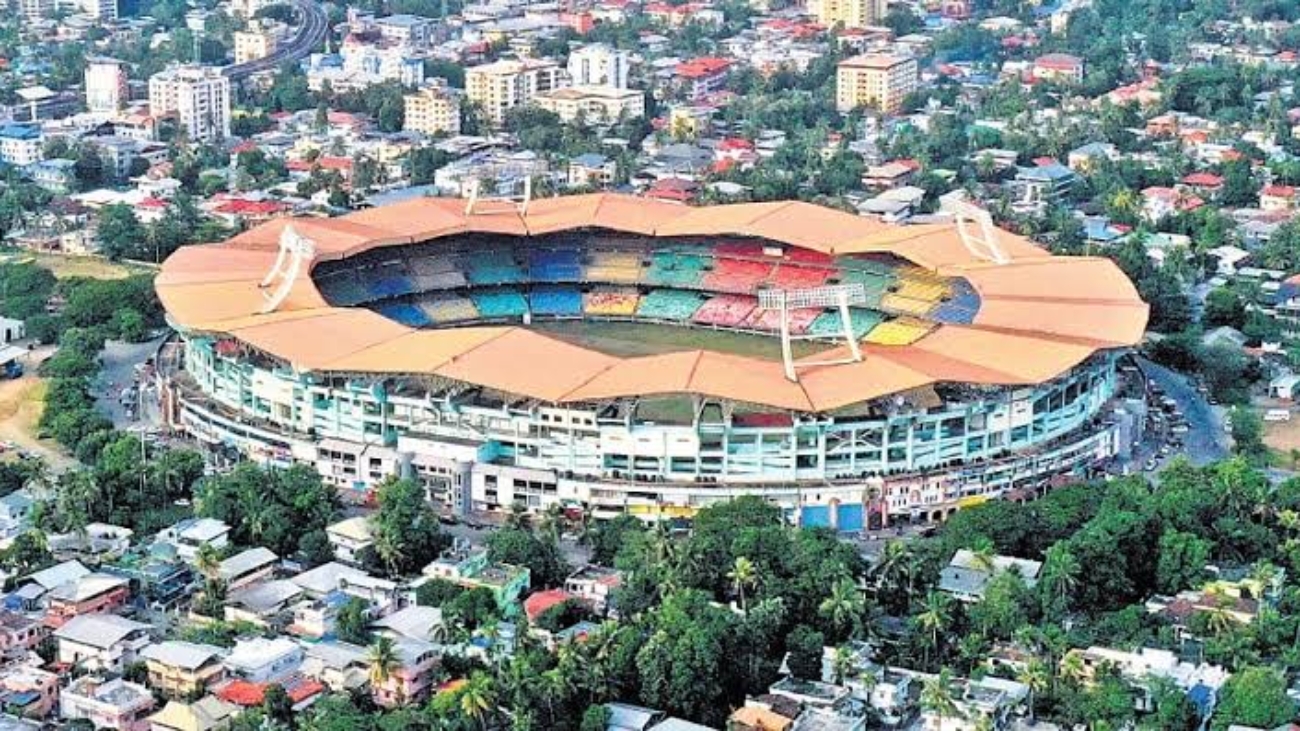
The Kaloor–Palarivattom area of Ernakulam district functions as one of the city’s most pressure-loaded inner-urban belts, combining dense residential neighbourhoods, private healthcare clusters, coaching centres, rental housing, and some of the most heavily used road corridors in the region. It is not a destination economy like Kakkanad, nor a pure transit node like Edappally. Its defining feature is intensity without spectacle. Daily life here generates continuous demand on roads, drainage, sanitation, water supply, and public health systems, while public revenue mechanisms remain blunt and insufficient. Vision Kerala 2047 requires Kaloor–Palarivattom to transition from chronic underpricing of intensity to a reliability-first urban finance model.
Property taxation in Kaloor–Palarivattom significantly undercaptures service load. Large portions of the building stock are old, low-rise, and conservatively assessed, yet host clinics, hospitals, hostels, offices, and high-occupancy rental units. Age-based valuation has effectively subsidised high-intensity use for decades. By 2047, property assessment must shift toward functional intensity. Buildings used for healthcare, education, offices, and bulk accommodation should be assessed based on occupancy, turnover proxy indicators, and infrastructure demand rather than physical age alone. A phased reassessment can steadily increase effective collections without destabilising owner-occupied households.
Healthcare activity is the area’s largest cost driver. Private hospitals, diagnostic centres, and clinics attract patients and staff from across the city, generating biomedical waste, ambulance traffic, water consumption, and emergency service demand. Yet the public cost of supporting this ecosystem is largely socialised. Vision Kerala 2047 should normalise healthcare-area service contributions for large facilities, calibrated to built-up area and patient volume, and ring-fenced for sanitation, traffic management, drainage, and emergency preparedness. Smaller clinics should be protected through thresholds to preserve accessibility.
Rental housing density is another structural pressure. Paying guest accommodation, hostels, and subdivided residential units increase population turnover, waste generation, and public health risk. A property-tax-only model structurally under-recovers these costs. By 2047, differentiated service pricing for bulk rental properties should be introduced, combined with incentives for on-site waste segregation, water reuse, and energy efficiency. This aligns payment with service demand while improving compliance and living conditions.
Mobility stress is constant in Kaloor–Palarivattom. Narrow arterial roads carry high volumes of private vehicles, buses, and service traffic, leading to congestion, road damage, and pedestrian risk. Yet mobility activity contributes little to local revenue. Vision Kerala 2047 should adopt managed parking pricing, time-windowed freight access near clinics and commercial clusters, and pedestrian-priority zones around schools and hospitals. Revenue from these measures should be reinvested into footpaths, crossings, lighting, and drainage, improving safety while funding maintenance.
Expenditure efficiency is critical in a dense inner-city environment where disruption is costly. Vision Kerala 2047 should mandate predictive maintenance and condition-based contracts for roads, drains, and utilities. Mapping underground infrastructure and scheduling preventive works can reduce emergency repairs by 15–20 percent. These savings function as implicit revenue by preserving fiscal space.
Waste and sanitation finance must be treated as core urban infrastructure rather than a residual service. High-intensity medical and residential activity generates waste far beyond residential norms. By 2047, bulk-generator pricing and service agreements should be standard, with clear performance benchmarks. Clean, reliable sanitation reduces public health costs and improves neighbourhood stability.
Energy efficiency offers modest but steady gains. Hospitals, hostels, and apartment clusters are suitable for shared solar and efficient lighting systems. By 2047, savings from reduced public energy expenditure should be pooled into a local maintenance and safety fund supporting lighting, surveillance, and emergency response.
Borrowing should be cautious and tightly linked to reliability upgrades. Kaloor–Palarivattom does not require large new construction, but sustained investment in drainage renewal, road strengthening, pedestrian safety, and sanitation logistics. Small, ring-fenced loans backed by healthcare contributions, parking revenue, and service charges can finance these needs. Debt servicing should remain below 6–7 percent of locally generated revenue to maintain flexibility.
Transparency is essential in a socially mixed, politically vocal area. Residents, traders, and healthcare providers must see clear links between contributions and improvements. By 2047, public dashboards showing sanitation cycles, maintenance schedules, response times, revenue collection, and reinvestment should be standard. Visibility reduces friction and builds cooperation.
By mid-century, the Kaloor–Palarivattom area should aim to finance most of its operating costs and a substantial share of capital maintenance through locally generated, intensity-linked revenues. State transfers can then focus on strategic health and transport investments rather than routine urban strain.
Kaloor–Palarivattom keeps Ernakulam running quietly, without headlines or glamour. Vision Kerala 2047 must ensure that this quiet indispensability is fiscally respected. An inner-urban area that prices intensity honestly and invests in reliability can remain livable, safe, and resilient even under constant pressure.
