
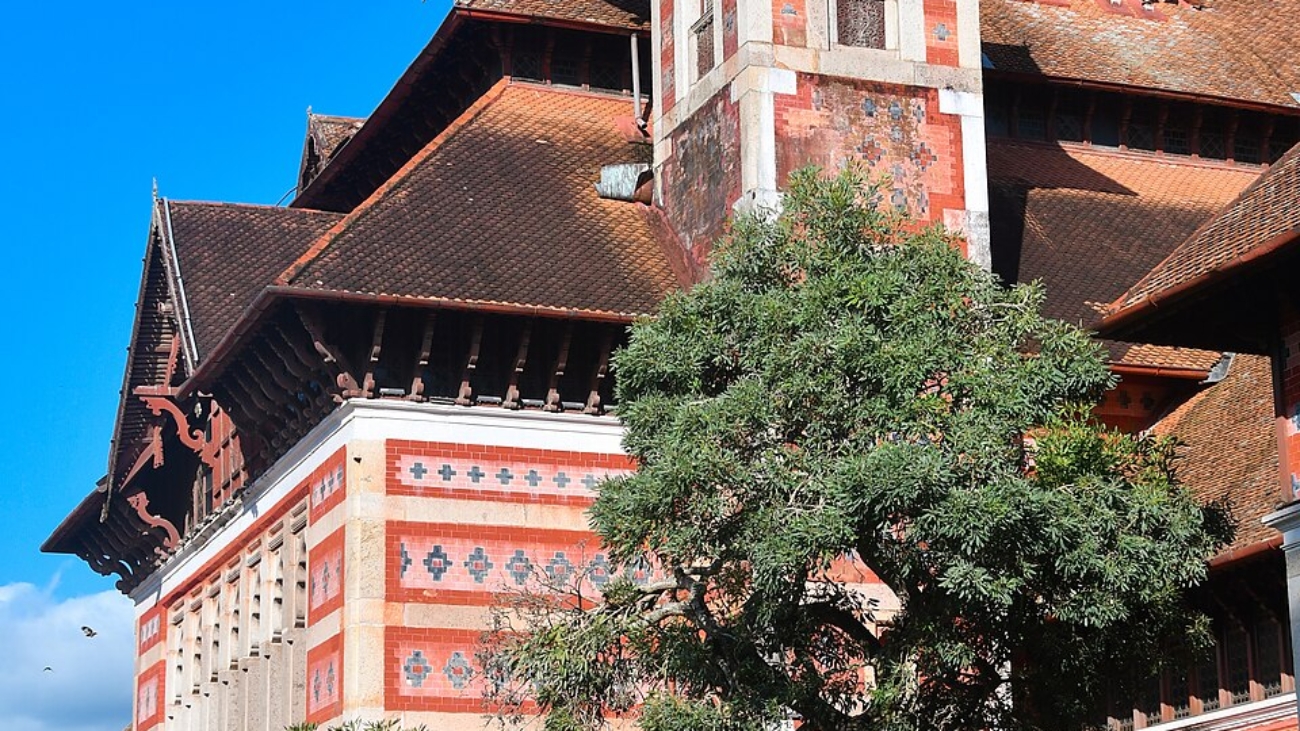
The Nemom area of Thiruvananthapuram district represents a transitional landscape between urban expansion and semi-rural stability. It combines long-settled residential neighbourhoods, emerging housing layouts, transport corridors, and pockets of agricultural and informal economic activity. Unlike core city areas, Nemom’s challenge is not overload but under-monetisation of gradual growth. Vision Kerala 2047 requires Nemom to move from a low-yield, subsidy-dependent public finance model to a growth-aligned revenue system that captures value steadily as urbanisation deepens.
Property tax forms the base of local revenue, yet in Nemom it remains among the lowest per capita within the corporation despite visible expansion of housing and services. Many properties continue to be assessed under outdated classifications that reflect past rural or semi-urban status rather than current usage. By 2047, property valuation must be updated to reflect service access, road connectivity, and land-use conversion. A phased reassessment approach, spread over multiple cycles, can raise effective collections without triggering sudden burdens on households. Even modest annual improvements compound significantly over two decades, creating a stable fiscal floor.
Land-use transition is the central fiscal opportunity in Nemom. As agricultural and low-density land converts to residential and mixed use, land values rise primarily due to public investment in roads, utilities, and transport links. Yet the public sector captures little of this uplift. Vision Kerala 2047 should institutionalise land value capture mechanisms tied to zoning changes and infrastructure provision. Betterment charges, development impact fees, and infrastructure-linked contributions can finance local roads, drainage, and public facilities. If even a small portion of conversion-related value is retained locally, Nemom can fund growth without fiscal strain.
Transport corridors passing through Nemom generate significant pass-through traffic, increasing road wear and safety risks. However, this activity contributes little to local revenue. By 2047, user-linked mechanisms such as managed parking, roadside commercial access fees, and freight-related service charges should be normalised along high-traffic stretches. These revenues can be earmarked for road strengthening, pedestrian safety, and traffic management, converting transit burden into maintenance capacity.
Agriculture and informal livelihoods remain important in Nemom and must be protected. Vision Kerala 2047 should clearly differentiate between subsistence activity and commercial-scale land use. While small farmers and traditional livelihoods should face minimal fiscal pressure, larger plots converted for non-agricultural use should contribute proportionately to infrastructure costs. This targeted approach preserves equity while preventing free-riding on public investment.
Service delivery costs in Nemom are rising as density increases. Water supply, waste collection, sanitation, and street lighting expand outward, often ahead of revenue growth. By 2047, service pricing must gradually shift toward cost-reflective models for bulk users and higher-density developments, with targeted subsidies for vulnerable households. This prevents chronic underfunding of basic services while maintaining social protection.
Expenditure discipline is critical during transition phases. Reactive expansion of services without lifecycle planning leads to escalating maintenance costs. Vision Kerala 2047 should mandate condition-based infrastructure planning for new roads, drains, and public assets, ensuring that maintenance costs are anticipated and budgeted from the outset. International experience suggests that early lifecycle planning can reduce long-term costs by 20 percent or more.
Energy and water efficiency present quiet but important opportunities. Detached housing and institutional buildings in Nemom are well suited for rooftop solar and rainwater harvesting. Aggregated adoption, supported by local facilitation, can reduce load on public utilities. By 2047, a portion of savings from reduced energy and water demand can be captured into a local sustainability fund, financing further service expansion without new taxation.
Borrowing should be conservative and purposeful. Nemom does not require large capital-intensive projects. Its needs are incremental: roads, drainage, schools, health centres, and public spaces. These can be financed through small, ring-fenced loans backed by predictable local revenue streams such as property tax growth and development charges. Keeping debt servicing below 7–8 percent of locally generated revenue will preserve fiscal resilience during growth.
Transparency is essential to maintain trust in a transforming area. Residents often resist reassessment and new charges unless benefits are visible. By 2047, public dashboards showing how increased revenues fund better roads, drainage, lighting, and service reliability should be standard. When people see tangible improvements tied to contributions, compliance improves organically.
By mid-century, the Nemom area should aim to meet the majority of its operating expenditure and a growing share of capital needs through locally generated revenues. State transfers can then be directed toward strategic social investments rather than routine urbanisation costs. This alignment ensures that growth pays for itself rather than accumulating hidden deficits.
Nemom’s strength lies in its gradualism. It is neither congested nor neglected, but evolving. Vision Kerala 2047 must ensure that this evolution is fiscally healthy. A finance system that captures value as it emerges, rather than after strain sets in, will allow Nemom to grow with confidence rather than anxiety.
