
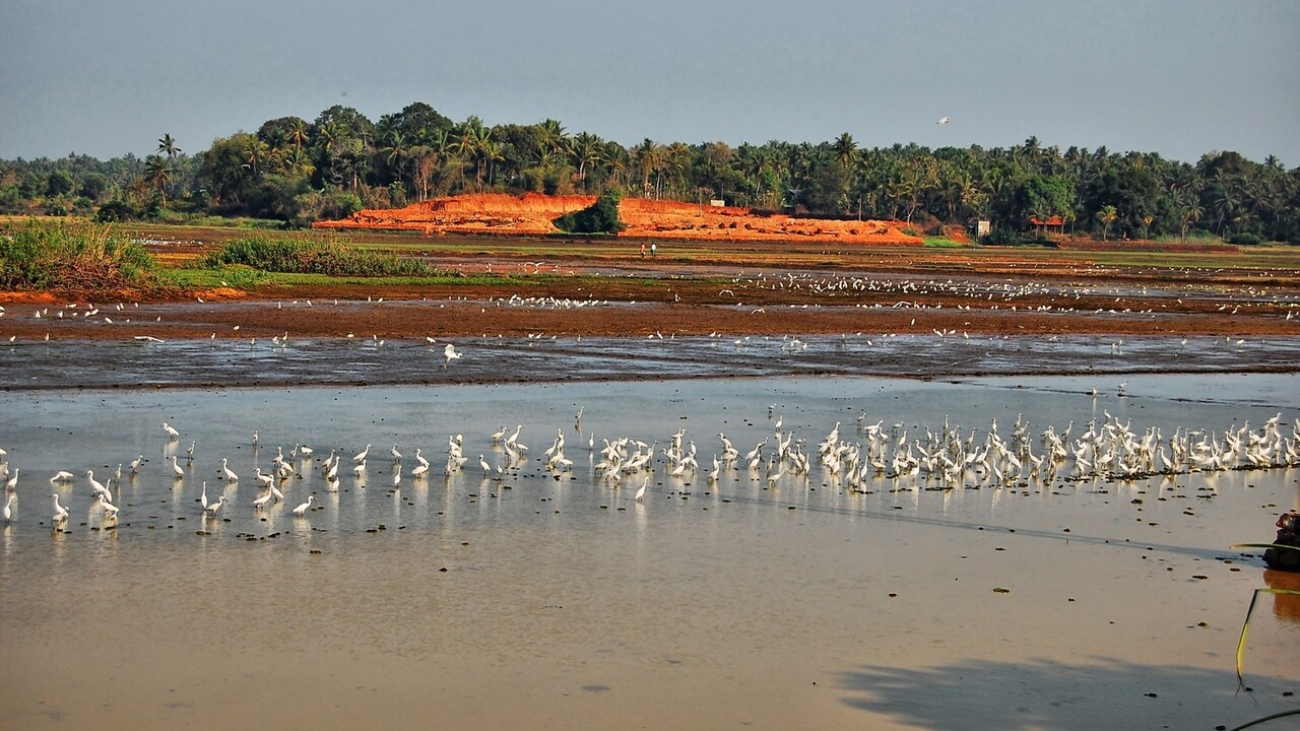
The Port–Valiyathura–Beemapalli area of Thiruvananthapuram district forms a dense coastal urban belt shaped by fishing livelihoods, port-related activity, aviation proximity, religious and cultural centres, and compact residential settlements. This area carries one of the highest infrastructure stress levels in the city due to salt exposure, high footfall, poverty concentration, and climate vulnerability, while generating some of the weakest own-source revenues. Vision Kerala 2047 requires this area to move from chronic fiscal fragility to a dignity-centred coastal finance model that prices activity, protects livelihoods, and funds resilience continuously rather than episodically.
Property taxation in this area is structurally constrained by low household incomes, legacy housing stock, and social sensitivity. A uniform reassessment approach would be both inequitable and politically unstable. By 2047, property finance must shift to a differentiated coastal valuation model. Owner-occupied and traditional housing linked to fishing and low-income livelihoods should be protected through slow, income-aware reassessment. In contrast, port-adjacent commercial properties, hospitality units, warehouses, and transport-linked assets should be assessed based on functional value and infrastructure load. This dual-track approach allows revenue growth without displacing vulnerable communities.
Fishing harbours, landing sites, ice plants, and processing units generate continuous service demand in sanitation, waste handling, road maintenance, and public health. Yet much of this activity is serviced through ad hoc subsidies and crisis funding. Vision Kerala 2047 should formalise fisheries-linked service agreements for commercial-scale operations, calibrated to volume and activity type. Revenues must be ring-fenced for sanitation, cold-chain waste management, access roads, and worker safety. Small-scale fishers should be exempt or subsidised, ensuring protection of traditional livelihoods while pricing industrial activity honestly.
Airport proximity and port access create heavy transport flows through the area, accelerating road damage and safety risks. By 2047, differentiated access and impact fees for heavy vehicles, commercial transport, and logistics-related traffic should be normalised. These charges, when transparently earmarked, can fund marine-grade road construction, drainage, lighting, and traffic enforcement. Even marginal per-trip charges aggregate into meaningful maintenance capacity in high-volume corridors.
Religious and cultural footfall is another major cost driver. Mosques, churches, pilgrimage sites, and festivals generate episodic surges in population, waste, and policing needs. Vision Kerala 2047 should introduce event-linked service contributions collected through organisers, parking systems, and temporary commercial permits. When reinvested locally, these revenues improve cleanliness, safety, and crowd management without burdening residents.
Environmental exposure is the defining fiscal risk. Salt corrosion, coastal erosion, flooding, and storm surge impose repeated repair costs. Vision Kerala 2047 must treat resilience as a standing budget item rather than an emergency response. Resilience-linked service contributions should be applied to developments and commercial activities benefiting from sea walls, drainage upgrades, and coastal protection works. This converts climate adaptation into a predictable fiscal loop rather than a recurring crisis appeal.
Expenditure efficiency is critical in a marine environment. Reactive repairs are especially expensive due to corrosion and repeated failure. Vision Kerala 2047 should mandate marine-grade standards for roads, lighting, public buildings, and utilities. Lifecycle budgeting and predictive maintenance can reduce long-term costs by 25–30 percent compared to repeated patchwork repairs. These avoided costs effectively act as revenue by preserving fiscal space.
Public health expenditure is another silent drain. High density, occupational risk, and environmental exposure increase healthcare demand. Vision Kerala 2047 should integrate preventive public health investments into local finance planning. Clean water access, waste control, and vector management reduce downstream health costs significantly. Savings in public health expenditure must be recognised as fiscal returns on infrastructure investment.
Energy and utilities offer limited but meaningful opportunities. Public buildings, fishery infrastructure, and community facilities can adopt shared solar and efficient lighting systems. By 2047, savings from reduced public energy expenditure should be pooled into a coastal resilience and maintenance fund, supporting lighting, surveillance, and emergency shelters.
Borrowing must be extremely cautious in this area. Debt should be limited to essential resilience and safety infrastructure and backed by predictable revenues such as port-linked contributions, transport fees, and event charges. Debt servicing should remain below 6 percent of locally generated revenue to avoid fiscal distress in a high-risk environment.
Transparency is essential to build trust in communities historically accustomed to neglect and crisis-driven intervention. By 2047, public dashboards showing revenue inflows, sanitation schedules, resilience works, and service outcomes should be visible and multilingual. When people see consistent improvement rather than episodic clean-ups, social confidence increases.
By mid-century, the Port–Valiyathura–Beemapalli area should aim to finance a substantial share of its sanitation, maintenance, and resilience costs through locally generated, activity-linked revenues. State and central funds can then focus on large-scale coastal protection and port infrastructure rather than routine urban survival.
This coastal belt represents both vulnerability and value. Vision Kerala 2047 must ensure that protecting dignity does not mean accepting fiscal weakness. A finance system that prices activity fairly, shields livelihoods, and funds resilience continuously can transform a historically strained area into a stable, safer, and more humane coastal neighbourhood.
