
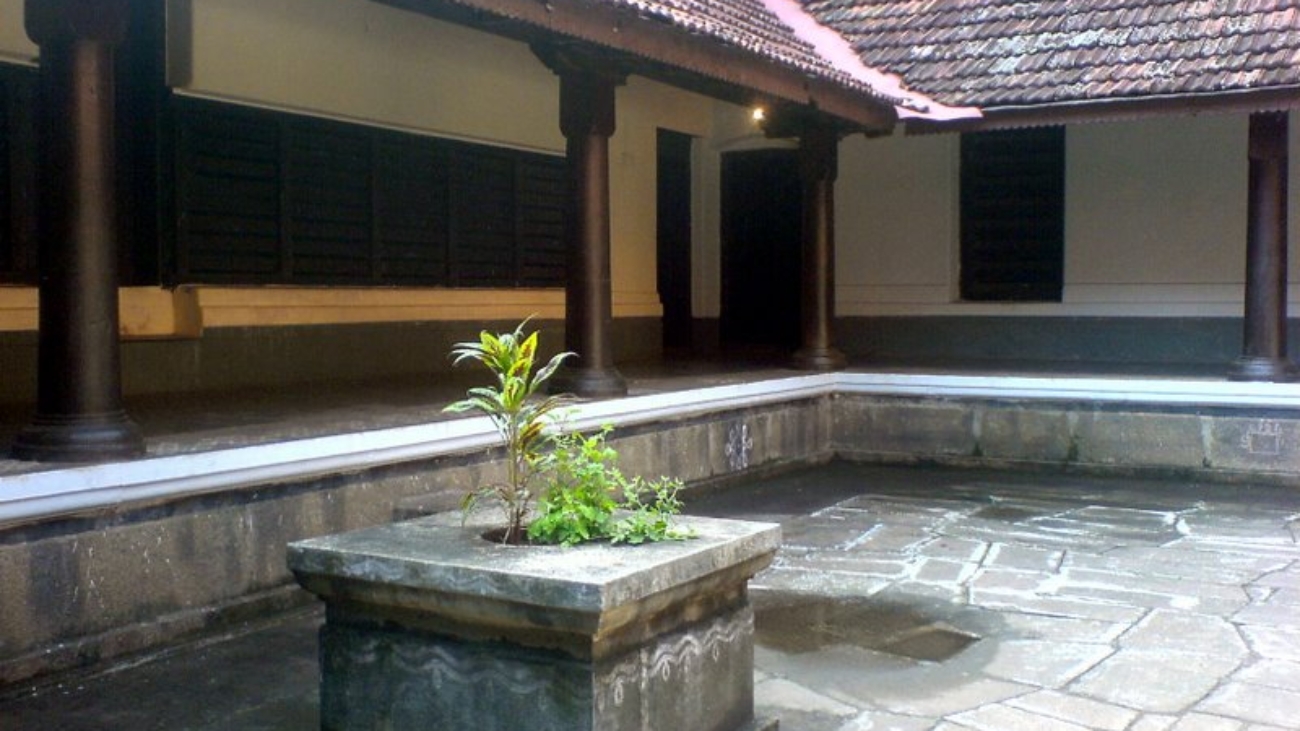
The Thiruvallam area of Thiruvananthapuram district occupies a complex ecological and economic position shaped by river systems, coastal proximity, pilgrimage flows, and expanding residential development. It includes low-lying zones vulnerable to flooding, traditional livelihoods linked to water bodies, and newer housing responding to urban spillover. Public expenditure pressure in this area is structurally high due to environmental risk and infrastructure stress, while revenue mechanisms remain weak and fragmented. Vision Kerala 2047 requires Thiruvallam to adopt a finance model that treats ecology, risk, and land-use intensity as central fiscal variables rather than externalities.
Property taxation in Thiruvallam currently underperforms relative to land value and service demand. Flood-prone classifications and historical settlement patterns have led to conservative assessments, even as real estate development accelerates in safer pockets. By 2047, property valuation must incorporate risk-adjusted zoning. Areas benefiting from flood mitigation infrastructure, elevated construction, or improved drainage should be reassessed to reflect reduced risk and higher usability. This allows the public sector to recover part of the investment made in resilience while maintaining protections for genuinely vulnerable households.
The most significant hidden cost in Thiruvallam is environmental management. Drainage maintenance, riverbank protection, desilting, sanitation, and disaster preparedness consume recurring public funds. Yet there is almost no direct revenue linkage to these services. Vision Kerala 2047 should introduce resilience-linked service contributions for developments that benefit from flood control, embankments, and improved water management. When structured transparently, such contributions convert preventive spending into a sustainable fiscal loop rather than a perpetual drain.
Pilgrimage and ritual activity around water bodies generates episodic but intense footfall. This increases waste generation, traffic congestion, and public safety requirements. By 2047, event- and pilgrimage-linked service fees, collected through organisers, parking systems, or temporary access permits, should be normalised. Even modest charges, when aggregated across peak periods, can fund sanitation, crowd management, and environmental restoration without burdening residents.
Land-use conversion is another major fiscal lever. Thiruvallam is experiencing gradual transition from semi-rural to urban residential use. This conversion increases land value significantly due to infrastructure access, yet the public sector captures little of this uplift. Vision Kerala 2047 must institutionalise land value capture tied to zoning changes, road upgrades, and drainage investments. Impact fees and betterment charges, calibrated carefully, can finance local infrastructure while discouraging speculative sprawl into ecologically sensitive areas.
Waste and water finance require special attention. Proximity to rivers and the coast magnifies the cost of mismanaged waste and sewage. Vision Kerala 2047 should deploy differential pricing for bulk waste generators and high-water-use properties, combined with incentives for on-site treatment and reuse. Over time, this reduces treatment costs, protects water quality, and stabilises operating expenditure.
Energy and resilience infrastructure offer complementary opportunities. Thiruvallam’s building stock is suitable for distributed solar and rainwater harvesting. Aggregated adoption can generate savings on energy and water supply costs. By 2047, a portion of these savings should be captured into a local resilience fund, financing drainage upgrades, emergency shelters, and early-warning systems. This links household efficiency directly to community safety.
Expenditure discipline is essential in a risk-prone area. Reactive post-flood repairs are fiscally inefficient and socially disruptive. Vision Kerala 2047 should prioritise predictive maintenance and pre-monsoon infrastructure audits. International evidence suggests that preventive spending in flood-prone zones reduces long-term costs by 30–40 percent compared to repeated recovery expenditure. These avoided costs effectively function as revenue by preserving fiscal capacity.
Borrowing, if undertaken, must be tightly linked to resilience outcomes. Thiruvallam does not need large prestige projects but steady investment in drainage, embankments, elevated roads, and public shelters. Small, ring-fenced loans backed by predictable resilience-linked revenues can finance these needs without exposing the area to debt stress. Debt servicing should remain below 7–8 percent of locally generated revenue to maintain flexibility.
Transparency is particularly important given the sensitivity of environmental charges. Residents must clearly see that contributions fund tangible protection and service reliability. By 2047, public dashboards showing flood mitigation works, maintenance schedules, spending, and risk reduction outcomes should be standard. When people see fewer disruptions and faster recovery, acceptance of new finance mechanisms increases.
By mid-century, the Thiruvallam area should aim to finance most of its environmental management and infrastructure maintenance through locally generated, risk- and usage-linked revenues. State and central funds can then be reserved for large-scale river basin and coastal protection projects beyond local capacity. This alignment improves accountability and resilience simultaneously.
Thiruvallam’s future will be shaped by how well it manages water, land, and people together. Vision Kerala 2047 must ensure that ecological sensitivity does not translate into fiscal weakness. An area that prices risk honestly and invests early can protect both its environment and its finances.
