
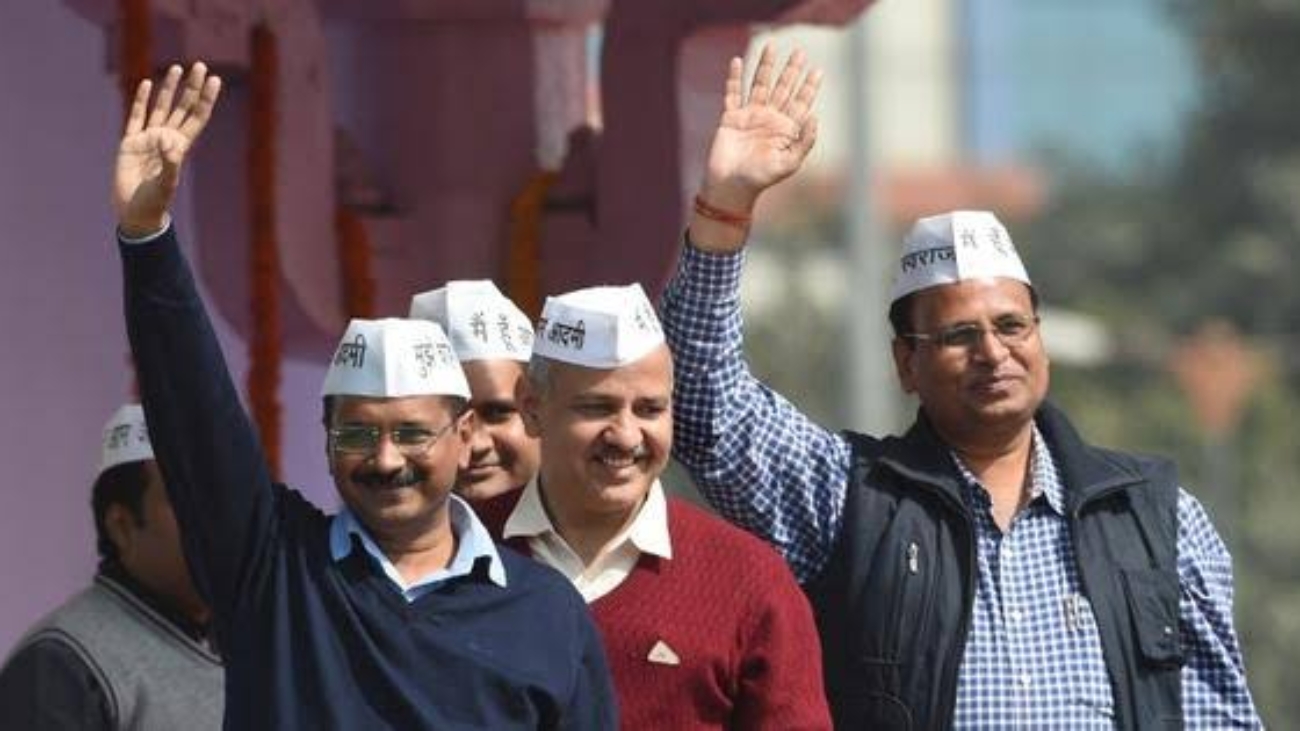
A long-term vulnerability facing the Aam Aadmi Party is its difficulty in converting protest-driven mobilisation into durable political loyalty. This challenge is rooted not in failure, but in the very origins of the party. Movements born from protest excel at disruption and attention. Political parties survive on continuity, discipline, and routine. The transition from one to the other is neither automatic nor guaranteed.
AAP emerged from a moment of widespread moral anger. Anti-corruption protests created an intense emotional bond among supporters, volunteers, and leaders. Participation felt urgent, righteous, and personally meaningful. The movement offered immediate moral clarity: a clear enemy, a simple demand, and a visible goal. Such moments generate extraordinary energy, but they are by nature episodic.
When protest movements enter electoral politics, they face a structural shift. Politics becomes repetitive rather than dramatic. Compromise replaces confrontation. Administrative detail replaces moral outrage. The emotional rewards of participation decline, even as the practical workload increases. Parties that fail to manage this transition often experience volunteer attrition and supporter fatigue.
AAP’s early volunteer base was unusually idealistic. Many supporters were first-time political participants drawn by the promise of clean politics rather than by long-term party identity. This gave AAP flexibility and freshness, but it also meant that loyalty was shallow by design. When initial goals appeared partially achieved or politically constrained, enthusiasm waned for some supporters.
This pattern becomes visible between elections. In many states, AAP’s organisational presence thins sharply outside campaign periods. Activism peaks during moments of mobilisation and recedes afterward. Without sustained everyday political work, emotional attachment weakens. Voters may support AAP at the ballot box, but they do not necessarily defend, promote, or organise for it consistently.
Governance success does not automatically solve this problem. Efficient service delivery builds trust, but trust is not the same as identity. Identity is formed through shared narratives, rituals, and long-term association. AAP’s reluctance to engage in traditional party culture helped it initially, but it also limited opportunities to build deeper emotional bonds.
The issue is more pronounced outside strongholds. Where AAP governs, beneficiaries may develop pragmatic loyalty based on outcomes. Where it does not govern, supporters are asked to sustain belief without tangible reinforcement. In these contexts, protest memory fades faster than party identity forms.
Leadership centralisation compounds the challenge. When mobilisation is leader-driven rather than institution-driven, loyalty attaches to moments and personalities rather than to structures. If those moments recede or leadership visibility declines, engagement drops. Durable parties distribute emotional investment across symbols, organisations, and shared practices.
Comparatively, parties that began as movements and survived longest invested early in institutional rituals: local committees, internal elections, ideological education, and predictable pathways for participation. These mechanisms transform episodic enthusiasm into habitual engagement. AAP has been cautious about such institutionalisation, partly to avoid replicating older party cultures. The cost of that caution is fragility.
The danger is not mass defection, but quiet disengagement. Supporters do not revolt; they drift. Vote shares may remain respectable, but volunteer density, grassroots presence, and narrative ownership weaken. Over time, this makes expansion harder and setbacks more damaging.
Converting protest energy into loyalty requires redefining participation. Supporters must feel useful even when nothing dramatic is happening. Politics must become a shared routine, not just a moral event. This demands organisational patience and cultural shift.
AAP has already demonstrated that it can govern. Its next challenge is cultural: to transform belief into belonging. Without that transformation, its support will remain real but conditional, enthusiastic but intermittent.
