
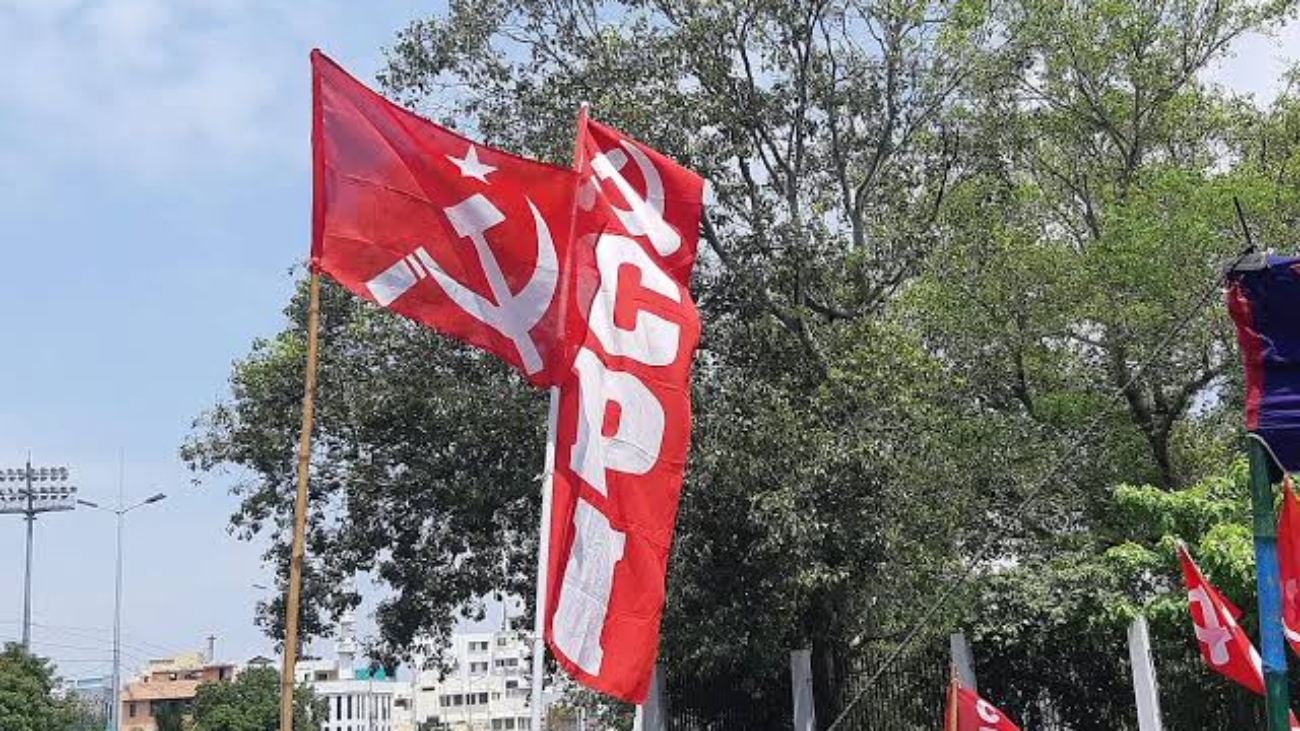
The social base of the Communist Party of India in Kerala is steadily shrinking and ageing, creating a long-term sustainability problem that goes beyond electoral performance. This erosion is gradual and therefore easy to underestimate, but its implications are structural. Parties do not disappear only through defeat; they fade when their core supporters are not replaced by a new generation.
CPI’s traditional support in Kerala has historically come from legacy Left families, older trade unionists, public-sector employees, and specific regional pockets where early communist organising took root. These constituencies were shaped by lived experiences of labour struggle, state-led development, and ideological mobilisation. Political identity was inherited through family, workplace, and locality. Loyalty was deep, durable, and emotionally anchored.
That social environment no longer exists at scale. Kerala’s demographic transition has been rapid and decisive. Fertility decline, ageing, urbanisation, and migration have transformed the population structure. Younger generations are fewer in number, more mobile, and less rooted in the occupational and spatial settings that once sustained Left mass politics. CPI’s strongest supporters today are often retirees or near-retirees, whose political participation remains loyal but whose numbers are diminishing.
Youth recruitment is the most visible casualty of this shift. Young Keralites who are inclined toward Left values overwhelmingly gravitate toward CPM, which appears stronger, more visible, and more capable of delivering power. CPI struggles to compete for attention not because its ideas are rejected, but because its organisational prospects look limited. For politically ambitious youth, the party does not appear to offer a meaningful pathway to influence.
The nature of work has further weakened CPI’s traditional base. The party’s historical strength lay in organised labour, particularly in public sector and legacy industries. Today, Kerala’s employment growth is concentrated in services, private healthcare, education, construction, and overseas labour markets. These sectors are fragmented, informal, and mobile. CPI has not built new organising models to engage these workers at scale. As a result, its labour presence feels residual rather than adaptive.
Migration compounds the problem. Large sections of the working-age population spend their most productive years outside the state or outside the country. Political engagement becomes episodic and transactional. Parties that rely on continuous local presence and long-term cadre development struggle to retain relevance among migrant-heavy households. CPI’s organisational culture, rooted in locality and permanence, has not adjusted effectively to this reality.
The ageing of the support base also affects internal dynamics. Leadership, discourse, and priorities increasingly reflect the concerns of older cohorts. While these concerns are legitimate, they do not always resonate with younger voters facing different pressures: job precarity, skill obsolescence, housing costs, and global competition. Without deliberate generational recalibration, the party’s language risks sounding retrospective rather than forward-looking.
Electoral data often conceals this decline. CPI continues to win seats in specific constituencies through alliance arrangements and personal reputations. These victories can create an illusion of stability. However, beneath seat counts lies a thinning mass base. Retention is occurring without reproduction. Over time, this gap widens until organisational capacity collapses suddenly rather than gradually.
The cultural cost is significant. Political parties reproduce themselves through everyday socialisation: youth wings, student politics, workplace organising, and neighbourhood activity. CPI’s presence in these spaces has weakened relative to its competitors. When young people encounter Left politics primarily through CPM or through digital discourse detached from party structures, CPI becomes invisible in the formative stages of political identity.
This erosion also affects morale. Cadres who sense demographic decline often become defensive rather than expansive. Energy shifts toward protecting existing positions rather than building new ones. Innovation feels risky when resources are scarce and numbers are falling. This mindset accelerates stagnation.
None of this implies inevitability. Demographic decline can be countered by strategic repositioning. Parties that successfully renew themselves do so by redefining their audience, not by waiting for inherited loyalty to return. For CPI, this would mean consciously targeting emerging social groups: service-sector workers, return migrants, informal employees, and professionals facing precarity. It would also require updating organisational methods to suit mobile and digitally connected populations.
Without such recalibration, the party risks becoming a custodian of memory rather than a vehicle of mobilisation. Respect for history may sustain moral standing, but politics demands present-tense relevance. A shrinking and ageing base eventually translates into declining bargaining power within alliances and fading influence in public debate.
Kerala’s political future will be shaped by younger, more fluid, and more aspirational cohorts. Parties that cannot recruit and inspire them will survive only as shadows of their former selves. CPI’s challenge is not to defend its past, but to decide whether it wants a future that is demographically viable.
