
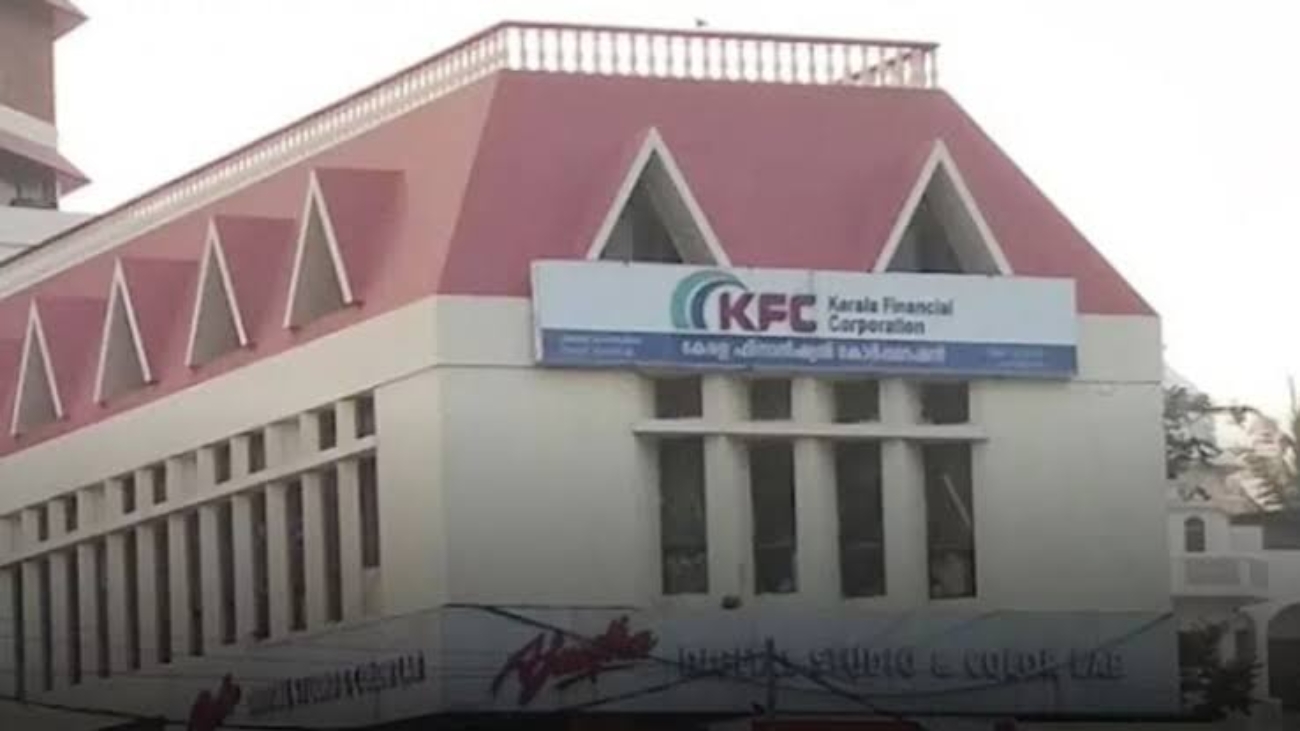
Kerala’s financial development constraint is no longer lack of capital but misalignment between capital design and future economic structure. As the state moves toward 2047, the role of Kerala Financial Corporation must evolve from being a conventional term-lending institution into a catalytic capital architect that actively shapes what kind of economy Kerala builds, retains, and scales.
Traditionally, KFC has focused on asset-backed lending to MSMEs, infrastructure projects, and service enterprises. This model was appropriate for an era where growth was linear, assets were physical, and risk could be collateralised. The 2047 economy will be different. Value will increasingly reside in intangibles such as intellectual property, platforms, data, process excellence, and network effects. If KFC continues to apply twentieth-century lending logic to twenty-first-century enterprises, it will systematically underfinance the future while overexposing itself to declining sectors.
The innovation opportunity lies in repositioning KFC as a patient capital institution aligned with long-cycle, locally rooted economic value creation. Instead of measuring success purely through disbursement volume and recovery ratios, KFC’s mandate can expand to include ecosystem outcomes such as enterprise survival beyond five years, regional employment stability, import substitution, and capital retention within Kerala. This reframes finance as an economic design tool rather than a transactional service.
One critical shift is moving from unit-level lending to cluster-aware financing. Kerala’s enterprises often fail not because individual units are unviable, but because surrounding infrastructure, logistics, compliance support, and market access are weak. KFC can design financing instruments that support clusters rather than isolated firms, funding shared assets like common processing facilities, digital compliance platforms, testing labs, and logistics nodes. This reduces risk at the system level while increasing productivity across multiple enterprises simultaneously.
Another innovation axis is time-structured finance. Many future-facing sectors such as climate adaptation services, eldercare systems, cooperative platforms, and applied research have long gestation periods with delayed cash flows. KFC can introduce staged repayment models, revenue-linked repayments, and moratorium structures tied to real operational milestones rather than rigid timelines. This aligns capital pressure with enterprise reality, reducing early-stage mortality without compromising fiscal discipline.
KFC can also act as a credibility amplifier. For many Kerala-based enterprises, especially first-generation entrepreneurs, the real constraint is not money but institutional legitimacy. When a public financial institution conducts rigorous appraisal and backs a project, it signals seriousness to banks, suppliers, and markets. By deepening its technical appraisal capabilities in emerging sectors such as AI-enabled services, sustainability audits, healthcare logistics, and cultural exports, KFC can de-risk innovation indirectly by certifying seriousness.
Digitally, KFC can evolve into a learning lender. By aggregating anonymised performance data across thousands of enterprises, it can build predictive insights into sectoral risk, policy effectiveness, and financing design flaws. This feedback loop can inform not only internal lending strategy but also state industrial policy, making KFC a silent intelligence arm of economic governance rather than a passive funder.
Crucially, this transformation does not require abandoning prudence. It requires redefining prudence for a future economy. Excessive caution in financing new sectors is not safety; it is delayed risk. By contrast, structured experimentation with clear governance, capped exposure, and continuous learning is the safest way to finance transition.
By 2047, Kerala will need financial institutions that do more than lend. It will need institutions that understand timing, structure, ecosystem effects, and social return. If KFC embraces this role, it can become one of the most strategically important economic instruments of the state, quietly shaping what survives, scales, and stays in Kerala.
