
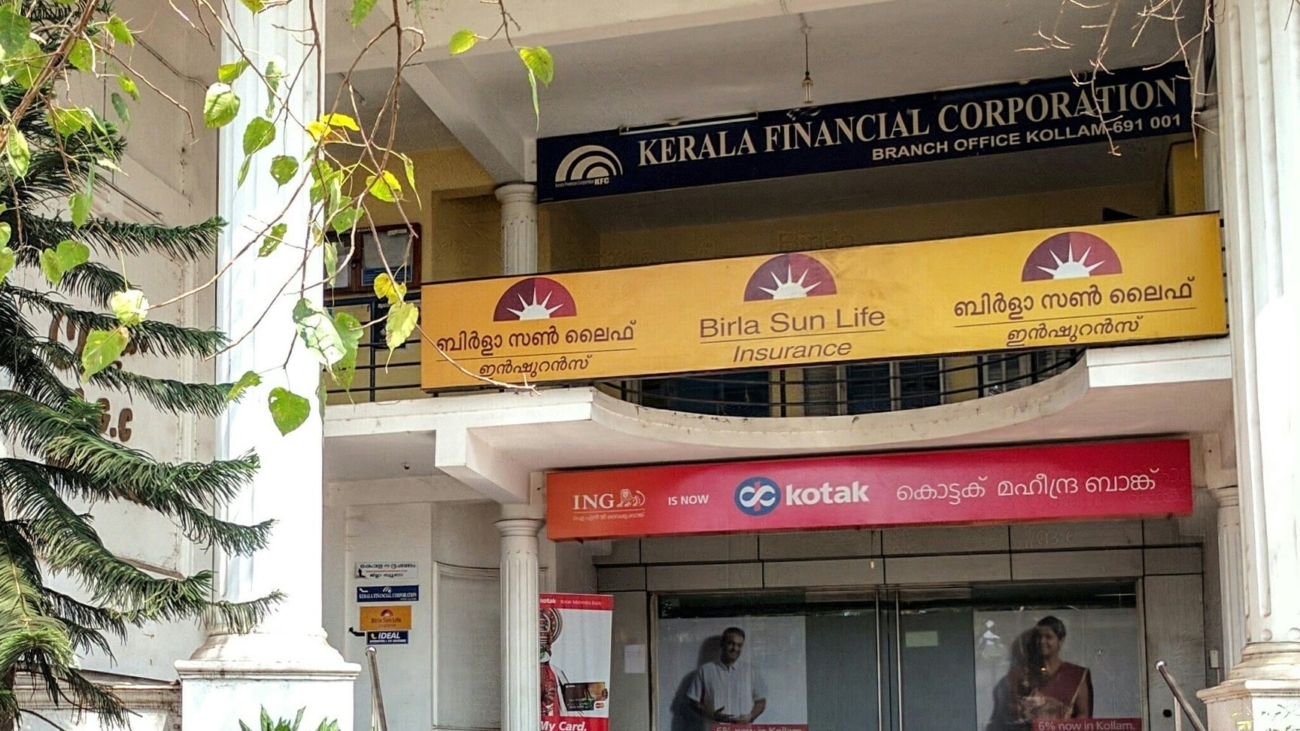
Kerala’s financial institutions are good at lending money but weak at learning from it. Thousands of projects have been financed over decades, yet very little institutional intelligence has been extracted from what succeeded, what failed, and why. The innovation opportunity for Kerala Financial Corporation lies in transforming itself into a learning finance institution that continuously feeds real-world enterprise data back into policy, product design, and risk models.
Every loan carries embedded intelligence. Project timelines reveal sectoral friction. Delays expose regulatory bottlenecks. Early repayments indicate strong business models. Restructurings signal design flaws rather than moral failure. Defaults often reveal ecosystem gaps, not just promoter weakness. At present, most of this information is treated as case-specific noise rather than system-level signal. This is a missed strategic asset.
A learning finance model systematically captures and analyses anonymised lifecycle data across enterprises, sectors, geographies, and time. Instead of viewing appraisal, monitoring, and recovery as administrative functions, they become inputs into a continuous feedback loop. KFC can build internal intelligence dashboards that track how different financing structures perform under different conditions, allowing policies to evolve based on evidence rather than precedent.
This has direct policy value. State governments routinely design incentive schemes, subsidies, and industrial packages with limited ground feedback. A learning lender can provide reality-tested insights on which incentives actually improve survival, which sectors absorb capital efficiently, and where public money leaks through design errors. KFC thus becomes not just a lender but a quiet policy intelligence partner to the state.
Internally, this approach improves prudence. Risk assessment shifts from static checklists to dynamic pattern recognition. Early warning systems can flag stress based on behaviour trends rather than missed payments alone. This allows corrective intervention while enterprises are still salvageable, reducing both financial loss and social damage.
There is also a cultural shift embedded here. When borrowers know that the institution is invested in understanding outcomes rather than only enforcing contracts, engagement improves. Finance becomes a relationship governed by shared learning rather than adversarial compliance. This is especially important in Kerala’s small-enterprise ecosystem, where fear of institutions often delays honest communication until it is too late.
Technology enables this without bureaucratic expansion. Simple data standardisation, periodic qualitative inputs, and selective deep-dive audits are sufficient to build robust insight over time. The goal is not surveillance, but sense-making. A public finance institution that understands its own impact is far more effective than one that only measures disbursement.
By 2047, the most powerful institutions will not be those with the largest balance sheets, but those with the deepest understanding of how capital behaves in complex social systems. If KFC positions itself as a learning finance institution, it converts decades of lending history into forward-looking intelligence, strengthening both economic outcomes and public trust.
