
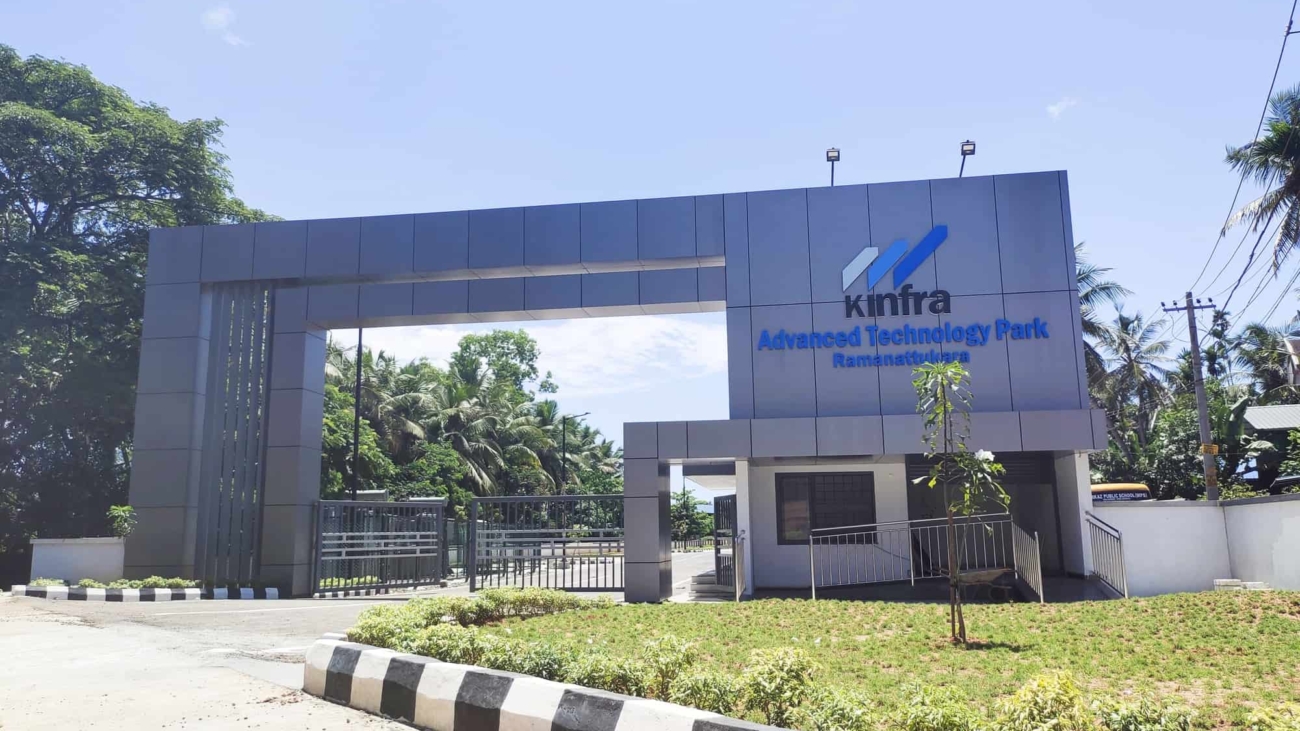
Kerala’s industrial constraint is not land scarcity but readiness deficit. Investors lose time navigating approvals, utilities, compliance, and construction sequencing long before production begins. By the time operations start, capital is exhausted and momentum is lost. The strategic opportunity for Kerala Industrial Infrastructure Development Corporation lies in shifting from land allotment to plug-and-play industrial zoning where time-to-operation becomes the primary value proposition.
Traditional industrial parks treat infrastructure as a static offering. Land is allotted, basic utilities are promised, and the entrepreneur is left to assemble the rest through fragmented departments, consultants, and contractors. This model quietly penalises first-generation entrepreneurs, MSMEs, and technology-led firms that cannot afford long gestation periods. Plug-and-play zoning inverts this logic by front-loading readiness instead of deferring it.
In a plug-and-play model, industrial zones are pre-cleared, pre-connected, and pre-designed. Environmental permissions, zoning approvals, power capacity, water access, waste management pathways, and digital connectivity are resolved at the park level, not at the unit level. Standardised factory shells and modular spaces allow firms to begin operations within weeks rather than years. The entrepreneur focuses on production and market access, not procedural navigation.
This approach aligns with Kerala’s structural realities. The state is land-constrained, environmentally sensitive, and administratively layered. Large greenfield projects face resistance and delay, while small firms struggle with compliance complexity. Plug-and-play zones reduce both friction and footprint by concentrating industrial activity into well-governed, optimised nodes. This also simplifies monitoring and enforcement, improving environmental and labour compliance outcomes.
Sector-specific readiness is a critical extension. A food processing unit, a medical device firm, and a climate services company have fundamentally different regulatory and infrastructure needs. KINFRA can design differentiated plug-and-play templates where each zone embeds sector-appropriate utilities, testing facilities, certification pathways, and logistics access. This reduces failure caused by misfit between enterprise needs and generic infrastructure.
Economically, this model improves capital efficiency. When time-to-operation shrinks, return on investment improves even for modest projects. Faster stabilisation increases loan serviceability, reduces stress on public finance institutions, and improves enterprise survival rates. For the state, this means higher employment generation per acre and better utilisation of public capital invested in infrastructure.
There is also a signalling advantage. A plug-and-play industrial ecosystem communicates seriousness. It tells investors that the state understands execution, not just intent. This attracts firms that value predictability over incentives, particularly in sectors where Kerala has latent advantages but loses out due to procedural drag.
By redesigning industrial parks as readiness engines rather than land banks, KINFRA can quietly reset Kerala’s industrial competitiveness. The goal is not scale at any cost, but speed with discipline. In a future where agility determines survival, plug-and-play industrial zoning becomes one of the most powerful, least visible reforms Kerala can make.
