
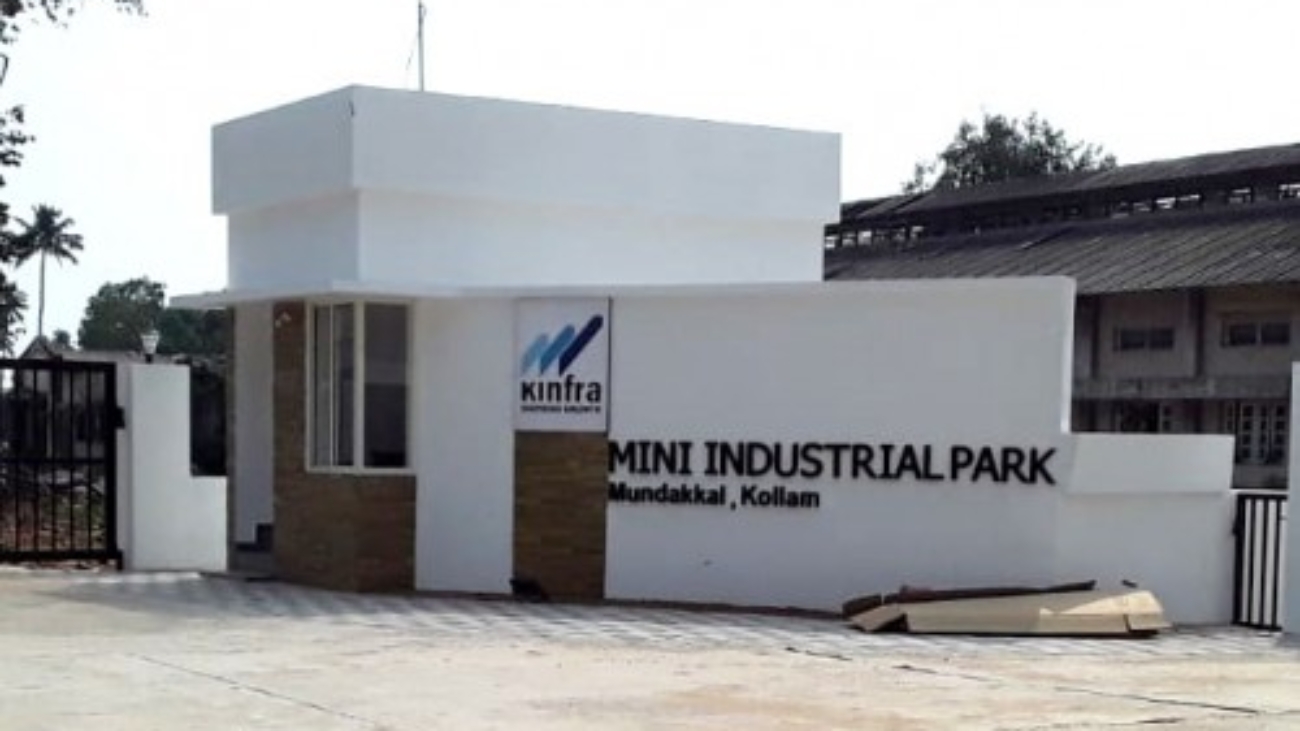
Kerala’s industrial growth is increasingly constrained not by capital or demand, but by environmental compliance costs that small and mid-sized firms cannot absorb individually. Climate regulation, carbon accounting, water management, and waste treatment are becoming entry barriers rather than sustainability tools. The strategic opportunity for Kerala Industrial Infrastructure Development Corporation lies in building a shared industrial decarbonisation backbone that converts compliance into collective advantage.
Most MSMEs in Kerala operate on thin margins and short planning horizons. Expecting each unit to independently invest in renewable energy, effluent treatment, emissions monitoring, and sustainability reporting is unrealistic and counterproductive. It either pushes firms into informal non-compliance or excludes them from global supply chains altogether. A shared backbone model centralises these functions at the park or cluster level.
Under this approach, KINFRA designs industrial parks with integrated renewable energy generation, shared energy storage, water recycling systems, common effluent treatment plants, and digital carbon accounting platforms. Individual firms plug into these systems instead of building parallel infrastructure. This lowers cost per unit, standardises compliance, and improves overall environmental outcomes.
There is a strong future-market rationale. Export markets are rapidly moving toward carbon disclosure requirements, ESG-linked procurement, and green certification. Firms that cannot demonstrate sustainability credentials will be priced out regardless of product quality. KINFRA-led decarbonisation infrastructure allows even small Kerala-based firms to meet global standards, preserving market access and competitiveness.
This model also reduces regulatory friction. When compliance is embedded into infrastructure design, enforcement becomes predictable and less adversarial. Regulators interact with systems rather than chasing individual units. This improves trust while maintaining environmental integrity, a critical balance in a state with high ecological sensitivity.
Financially, shared decarbonisation systems unlock new funding avenues. Climate finance, green bonds, multilateral funding, and blended finance instruments are more accessible at infrastructure scale than at firm scale. KINFRA can leverage its PSU credibility to attract long-term green capital, reducing pressure on state budgets and tenants alike.
There is an innovation dividend as well. Once sustainability infrastructure is in place, firms can experiment with process optimisation, circular economy models, and waste-to-value initiatives without prohibitive upfront costs. This turns regulation into a platform for innovation rather than a constraint.
By embedding decarbonisation into industrial design, KINFRA can future-proof Kerala’s industry against tightening climate norms while protecting MSMEs from compliance shock. This is not environmental idealism; it is strategic industrial survival.
