
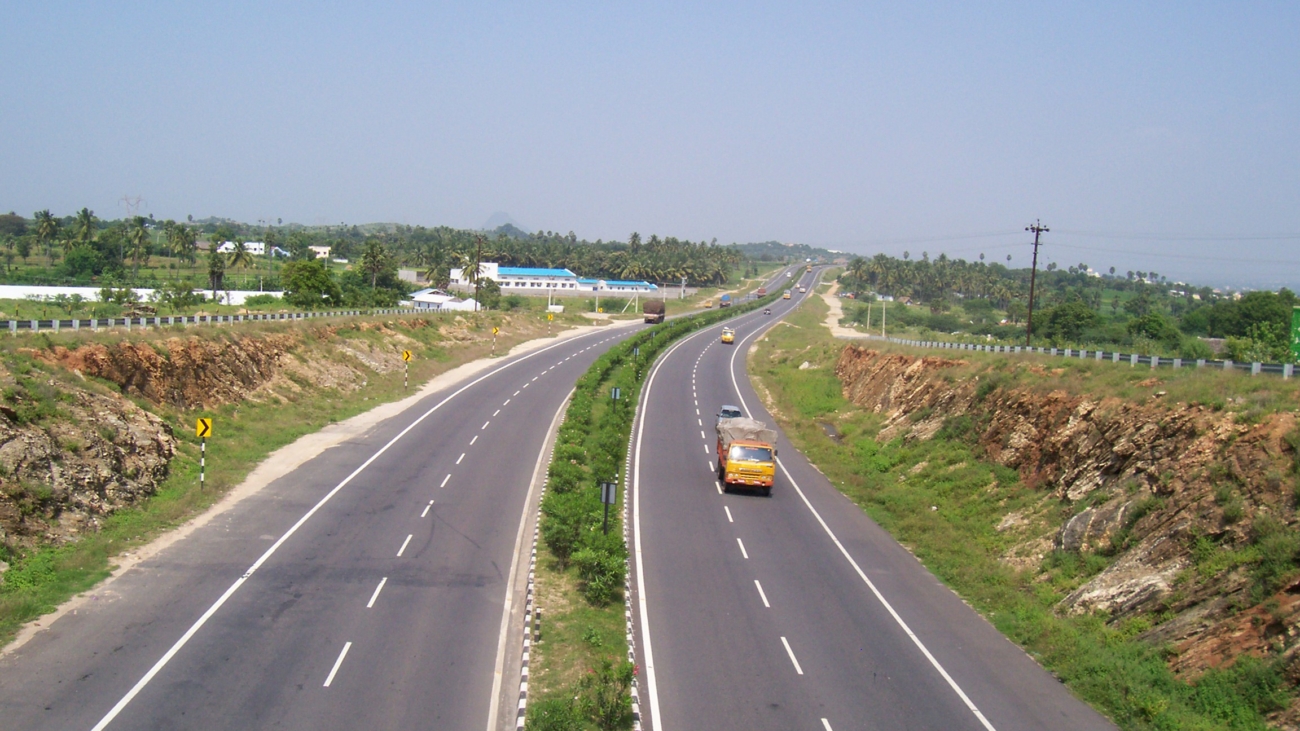
Palakkad’s smart city future must be built around its most defining reality: it is a gateway city shaped by wind, movement, and transition. Unlike coastal or hill cities, Palakkad is defined by flow rather than enclosure. The Palakkad Gap has historically connected Kerala to the rest of the subcontinent, and this role must be reinterpreted intelligently for 2047. A smart Palakkad is not about density or spectacle, but about coordination, logistics, and environmental intelligence.
The city’s geography gives it a unique climate profile. Strong winds, higher temperatures, and lower humidity compared to much of Kerala demand a different urban design logic. Smart Palakkad must prioritize passive cooling, ventilation corridors, shaded streets, and climate-responsive architecture. Buildings that fight the climate through sealed glass and air conditioning will fail economically and environmentally. Cities that work with wind and heat reduce energy demand naturally.
Mobility in Palakkad must be designed around through-movement rather than congestion management. Railways, highways, and freight routes converge here, yet the city often absorbs transit pressure without extracting value. Smart city planning must transform Palakkad into a logistics intelligence hub where goods movement, warehousing, processing, and redistribution generate local employment. Transit should not merely pass through; it should contribute.
Rail and road integration is critical. Palakkad Junction is a major node, but surrounding areas remain underutilized. Smart development must create mixed-use transit zones where travel, work, storage, and services coexist. When logistics infrastructure is integrated with skill centers and small industries, the city becomes economically active without heavy manufacturing pollution.
Agriculture remains central to Palakkad’s identity. Smart cities here must not disconnect from farming but upgrade it. Precision agriculture, water-efficient cropping, storage intelligence, and local processing can dramatically increase farm incomes. Urban planning must ensure that agricultural land is protected from speculative sprawl. Cities that consume their food base weaken themselves.
Water management in Palakkad requires discipline rather than abundance thinking. Despite proximity to major rivers and dams, parts of the district face seasonal scarcity. Smart systems must track water usage across agriculture, industry, and households in real time. Efficient irrigation, reuse, and loss reduction matter more than new extraction. Water intelligence is economic intelligence in a dry-edge city like Palakkad.
Energy potential is another underused asset. Wind corridors and open terrain offer opportunities for decentralized renewable energy. Smart Palakkad must integrate local energy generation with industrial and residential demand through microgrids. When power is locally produced and consumed, reliability improves and costs fall. Energy resilience is especially critical for logistics and processing activities.
Housing in Palakkad must remain affordable and climate-appropriate. Low-rise, well-ventilated housing with shaded public spaces suits both climate and culture. Smart cities here must avoid copying dense vertical models from coastal metros. Human-scale development reduces heat stress, infrastructure load, and social alienation.
Education and skill development must align with Palakkad’s role as a connector. Logistics management, supply chain analytics, agri-technology, renewable energy maintenance, and industrial operations are natural skill pathways. Smart cities build futures from geography rather than forcing unrelated aspirations. When skills match place, migration becomes choice rather than necessity.
Public health planning in Palakkad must address heat exposure, dust, and respiratory stress. Urban design that reduces heat islands, improves air flow, and increases tree cover directly lowers health risks. Preventive health here is deeply tied to environmental design rather than medical infrastructure alone.
Public spaces in Palakkad must act as thermal refuges. Shaded parks, water-adjacent spaces, and tree-lined corridors are not aesthetic luxuries but survival infrastructure. A smart city in a warm zone must guarantee access to cool public environments, especially for outdoor workers, the elderly, and children.
Governance in Palakkad must prioritize coordination across transport, agriculture, energy, and industry. Fragmented decision-making wastes the city’s strategic advantage. A unified urban intelligence platform that tracks movement of goods, water, energy, and people can guide smarter investment. When data reveals patterns, policy becomes precise.
Digital systems in Palakkad should focus on predictability. Logistics, markets, utilities, and civic services must operate on clear timelines and transparent rules. Businesses value reliability more than incentives. A city that functions predictably attracts investment quietly and sustainably.
Cultural life in Palakkad is rooted in simplicity and continuity. Smart city development must respect this ethos. Growth here should feel steady rather than disruptive. Cities that grow too fast fracture socially; cities that grow with rhythm retain trust.
By 2047, a smart Palakkad should feel open, breathable, and purposeful. It should convert movement into opportunity, climate into advantage, and geography into strategy. Its intelligence will lie in how well it channels flows rather than resists them.
