
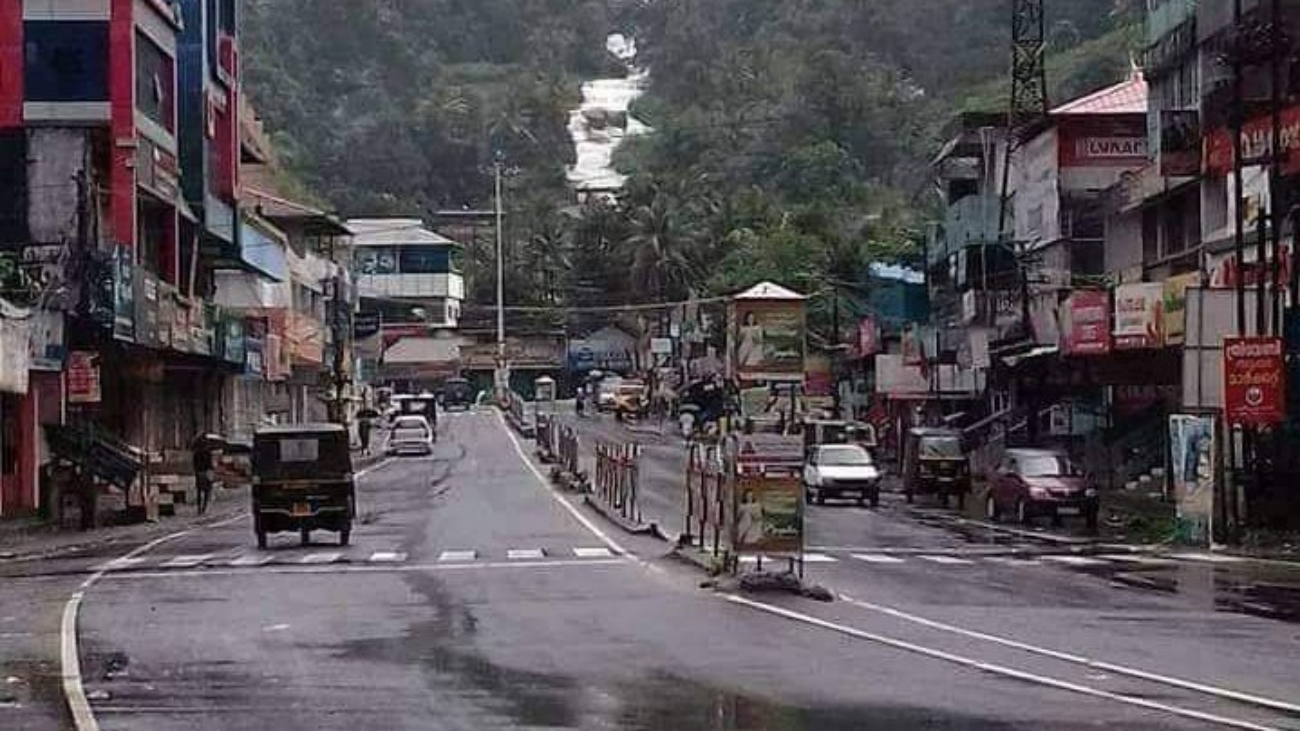
Idukki has always occupied an uneasy place in Kerala’s economic imagination. It is rich in water, forests, altitude, and biodiversity, yet poor in employment density and income diversity. For decades, the district was governed through a narrow binary: extract or protect. Large dams extracted value for the state. Forest regulations restricted local economic activity. Between these two extremes, a functioning district economy never fully emerged.
This framing is outdated. Idukki’s future does not lie in factories, IT parks, or mass tourism. It lies in recognising that the district already performs three critical functions for Kerala: it powers the grid, feeds the rivers, and stabilises the climate. The economic mistake was never extraction or protection in isolation. It was failing to convert these roles into local livelihoods and structured industries.
Energy is Idukki’s most obvious asset. A significant share of Kerala’s electricity originates here, yet the district captures almost none of the downstream value. Hydropower is treated as a distant state asset, not a local economic engine. The next phase must shift from energy extraction to energy services. Grid operations, advanced maintenance, forecasting, storage systems, micro-grids, and energy engineering services can create skilled employment without adding ecological pressure. Idukki can become Kerala’s energy-services district rather than just its power source.
Agriculture offers the second opportunity, but only if it moves beyond commodity dependence. Idukki’s altitude and climate support crops that cannot be scaled elsewhere in Kerala—cardamom, pepper, specialty coffee, cocoa, medicinal plants, and niche fruits. Yet farmers remain exposed to volatile prices because most output leaves the district unprocessed. Value-added processing, origin branding, certification, controlled exports, and hill-specific logistics can stabilise incomes without expanding land use. The future is not more cultivation. It is more value per hectare.
The third and most strategic opportunity lies in climate and ecology services. Idukki is Kerala’s ecological firewall. Its forests, catchments, and rivers determine water security and disaster resilience across the state. Climate change turns this responsibility into an economic opportunity, if structured correctly. Watershed management, eco-restoration, biodiversity monitoring, carbon accounting, disaster mitigation, and climate adaptation services are emerging global markets. Idukki already performs much of this work informally and without compensation. Formalising these activities into paid services can create employment while strengthening stewardship.
What has held Idukki back is governance design. The district absorbs ecological costs but receives limited economic return. Young people leave not because resources are absent, but because opportunity is unstructured. Generic industrial policies do not work here. Idukki requires a governance model that treats ecology as infrastructure and energy as a local economic driver.
Idukki should never be an industrial district. It should be a strategic one. Its economy will not be loud, but it will be indispensable. If Thiruvananthapuram becomes Kerala’s high-value engine, Kollam its employment stabiliser, Alappuzha its water-economy hub, Pathanamthitta its ecological anchor, and Kottayam its knowledge backbone, Idukki’s role is to hold the entire system together through energy, agriculture, and climate resilience.
For too long, Idukki powered Kerala without being powered itself. The next phase must correct that imbalance—not by exploiting the district further, but by finally valuing what it already sustains.
