
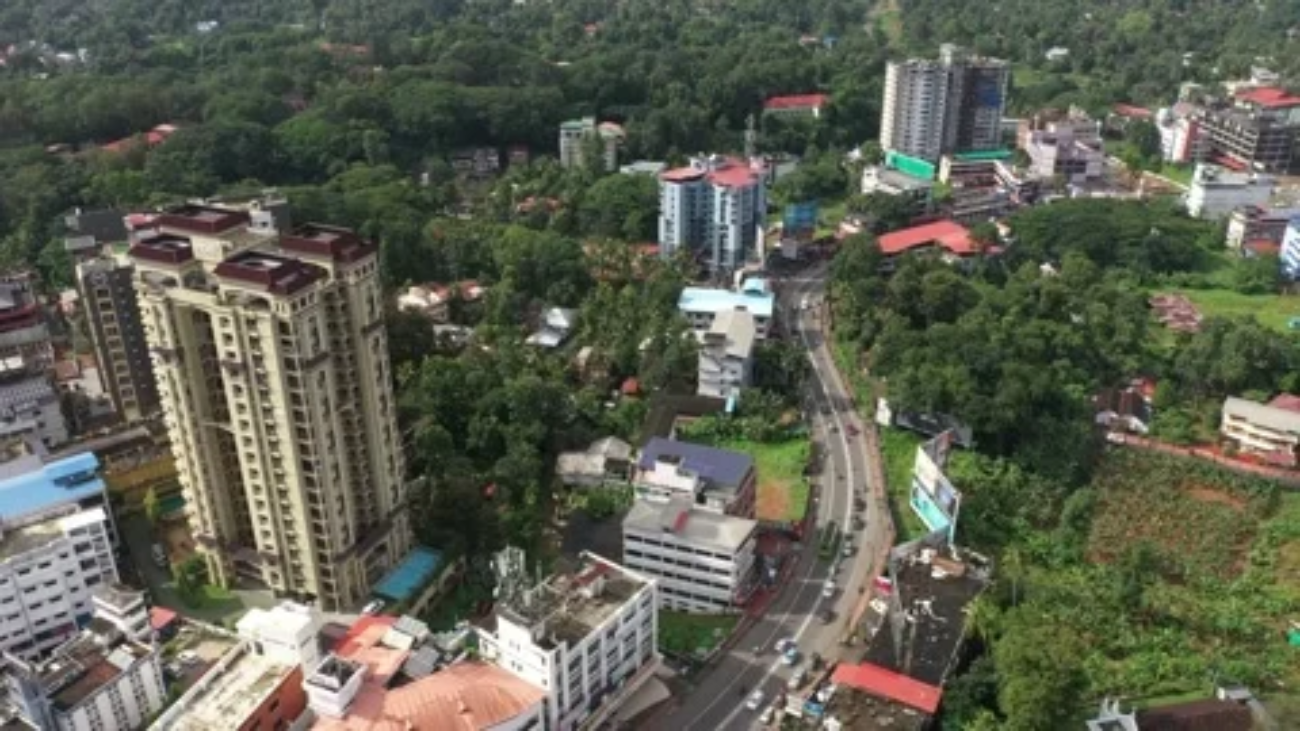
Kottayam rarely features in conversations about Kerala’s economic future. It has no major port, no large IT park, no industrial corridor, and no tourism spectacle that draws headlines. Yet quietly, year after year, Kottayam continues to outperform many districts in social stability, institutional trust, remittance inflows, and quality of life. This is not accidental. Kottayam’s economy was never built for speed. It was built for endurance.
The mistake policymakers often make is trying to classify Kottayam using the same industrial lens applied to coastal or urban districts. That lens fails here. Kottayam’s strength lies not in physical infrastructure, but in human and institutional infrastructure. High literacy, dense educational institutions, a long publishing tradition, strong healthcare systems, and faith-based social organisations have created a district where trust and continuity matter more than scale.
Historically, Kottayam was Kerala’s knowledge and publishing capital. Newspapers, printing presses, publishing houses, and educational content creators shaped public discourse across the state. This ecosystem did not disappear. It stagnated because it remained tied to print while the world moved to digital knowledge systems. Today, global demand for content, language services, curriculum design, documentation, and localisation is expanding rapidly. Kottayam already has the editorial culture, linguistic depth, and institutional credibility required to serve this market. What it lacks is strategic repositioning.
Education in Kottayam is not just a social service; it is economic infrastructure. Schools, colleges, seminaries, and training institutes generate a continuous flow of students, educators, and families. Yet education has rarely been treated as an industry in its own right. Teacher training, assessment services, academic consulting, ed-tech support, credentialing, and institutional management represent a large untapped services economy. Kottayam is uniquely positioned to become Kerala’s education-services hub, exporting expertise rather than only degrees.
The third pillar of Kottayam’s future economy lies in care. Migration has reshaped the district’s demographics. Ageing parents, migrant children, returnees with capital, and families seeking stability have created sustained demand for structured care services. Assisted living, home healthcare, rehabilitation, counselling, and mental health services are no longer peripheral needs. They are core economic activities. Unlike seasonal tourism or volatile industries, care economies grow steadily and create long-term employment, particularly for women.
What makes Kottayam different is institutional trust. Families trust schools, hospitals, churches, and social organisations here. That trust lowers transaction costs and enables long-term service relationships. In an era where many economies chase rapid growth and suffer equally rapid collapse, trust-based districts become anchors.
Kottayam does not need factories or flashy development projects. It needs recognition of what it already is. A knowledge district. A care district. A services district built on continuity rather than disruption. Its economy compounds quietly, not explosively.
If Kerala’s future is imagined as a system rather than a race, every district needs a role. Thiruvananthapuram can generate high-value output. Kollam can stabilise employment. Alappuzha can anchor the water economy. Pathanamthitta can serve as an ecological and social buffer. Kottayam’s role is to hold the system together through knowledge, education, care, and trust.
That role will never dominate headlines. But systems do not survive on headlines. They survive on districts like Kottayam.
