
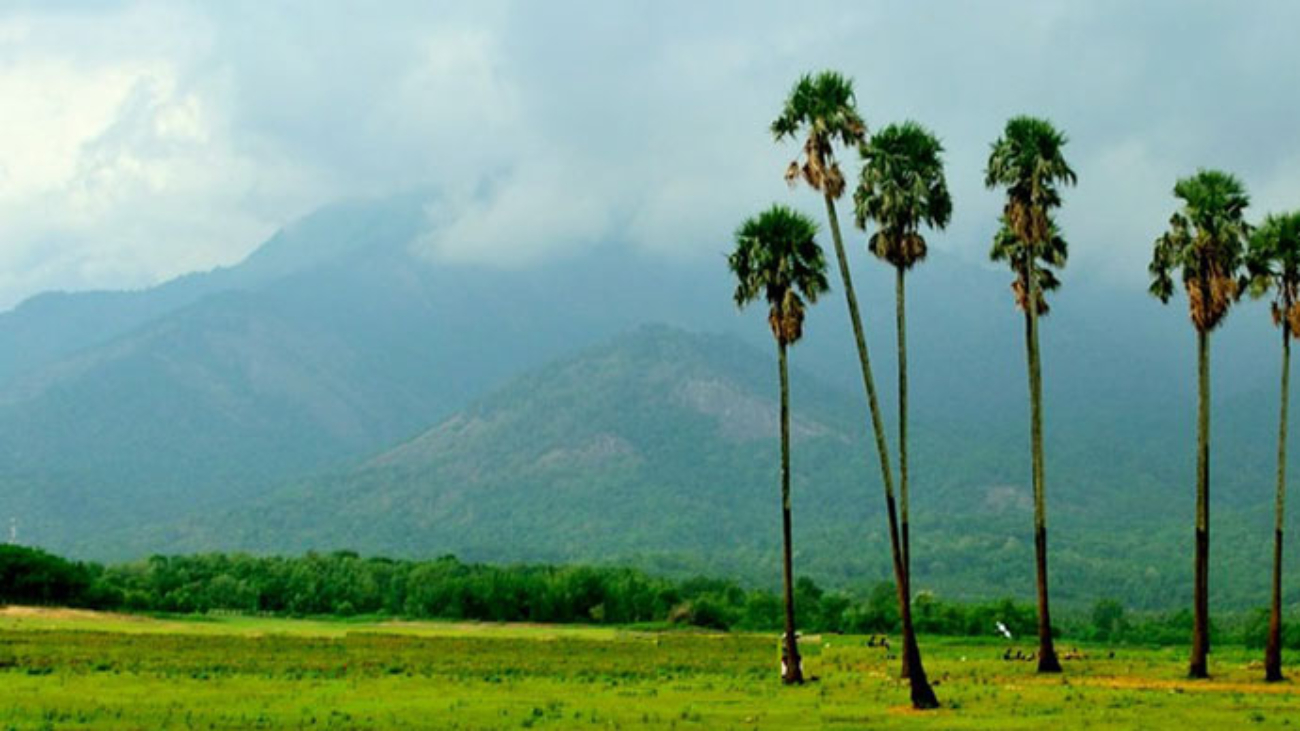
Palakkad is often described using the wrong vocabulary. Hot, dry, agricultural, slow. These labels miss what actually matters. Palakkad is Kerala’s only true land gateway, its food-security buffer, and its renewable energy corridor. While other districts compete for density, visibility, and capital attention, Palakkad quietly carries the physical load that keeps the state functioning.
Food is the first and most underestimated role. Palakkad produces staples at a scale no other district can match because it has land, irrigation, and continuity. Yet this advantage is routinely wasted by exporting raw produce and importing value-added food back into the state. The future here is not more cultivation, but more processing. Rice milling, branded staples, vegetable aggregation, cold storage, dairy-linked processing, and food-grade warehousing can turn Palakkad into Kerala’s food systems district. This is not romantic agriculture. It is industrial food security.
Energy is the second pillar. The Palakkad Gap is not just a geographical feature. It is a natural wind corridor that regulates climate and enables renewable energy at scale. Wind farms already exist, but Palakkad captures little economic value beyond land rent and temporary jobs. The real opportunity lies in energy services: operations and maintenance, forecasting, storage, grid balancing, and hybrid wind–solar systems. Energy generation is a one-time event. Energy services are a long-term economy.
The third role is logistics. Everything that enters Kerala by land passes through Palakkad. Food, construction materials, consumer goods, industrial inputs—day after day. Yet Palakkad behaves like a corridor, not a node. Traffic moves through, value moves out. Warehousing, consolidation hubs, cold-chain terminals, dry ports, rail-linked logistics parks, and inter-state trade services can convert movement into employment. When logistics costs fall in Palakkad, prices fall across Kerala.
What makes Palakkad structurally important is space. Space for food systems. Space for energy infrastructure. Space for logistics that urban districts no longer have. In a state constrained by density, space is strategic power. Treating Palakkad as peripheral because it is less urban is a category error.
Palakkad also plays a stabilising role during shocks. When supply chains break, food systems matter. When energy demand spikes, grid-balancing matters. When prices rise, logistics efficiency matters. These functions are invisible during normal times and indispensable during stress. That is why backbone districts are rarely celebrated and frequently taken for granted.
The danger is misplanning. When Palakkad is treated like a generic district, it gets generic schemes. Tourism slogans instead of cold storage. Skill programs disconnected from processing. Energy projects without local service ecosystems. Logistics traffic without local value capture. The result is underemployment despite high output.
Palakkad does not need to become louder, greener, or more fashionable. It needs to become explicit about its role. Feed the state. Balance the grid. Move goods efficiently. These are not secondary functions. They are foundational ones.
In a Kerala where districts are beginning to specialise, Palakkad’s job is not to attract applause. It is to hold weight. Backbones are never glamorous. But without them, nothing stands.
That is Palakkad’s real importance.
