
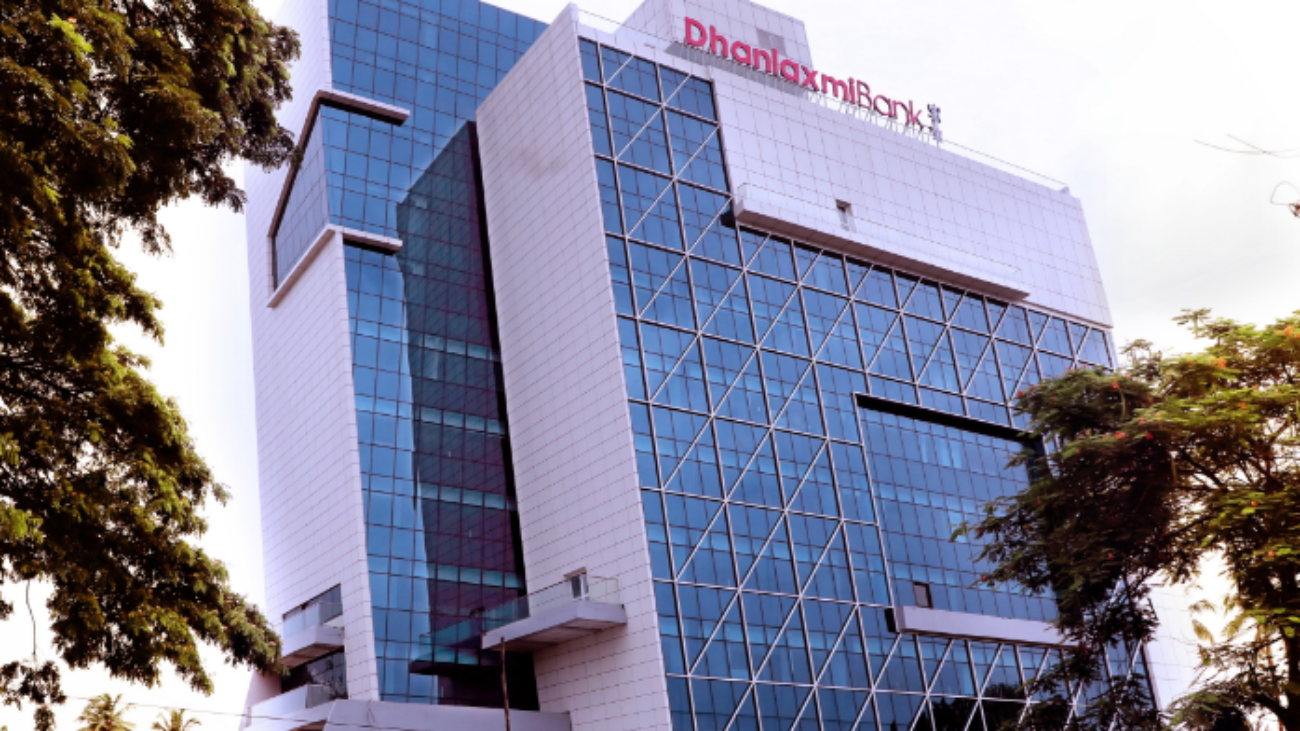
Thrissur rarely features in loud conversations about Kerala’s economic future, and that is precisely why it matters. While other districts chase industries, ports, IT parks, or tourism numbers, Thrissur has quietly mastered something more durable: capital control. Money accumulates here, rests here, circulates cautiously from here, and often decides outcomes far beyond the district’s borders.
Thrissur’s economy is built on trust. Cooperative banks, chit funds, jewellery trade, temple-linked wealth, conservative household savings, insurance habits, and family-managed capital form a dense financial ecosystem. This is not speculative money. It is patient money. Money that waits, watches, audits, and survives cycles. In an economy prone to hype and volatility, Thrissur plays the role of ballast.
Gold is not just a commodity here; it is a financial instrument. Temples are not only spiritual centres; they are large seasonal economic engines. Festivals are not just cultural events; they mobilise logistics, labour, services, donations, and cash flows at massive scale. Yet much of this economy operates informally, governed by tradition rather than professional systems. That informality hides both value and risk.
Thrissur’s real opportunity is not expansion, but formalisation without disruption. Finance already exists. Savings already exist. Cultural capital already exists. What is missing is structured governance that turns these flows into stable employment, transparent systems, and productive investment across Kerala. Thrissur does not need factories to matter. It needs frameworks.
The district’s relationship with risk is instructive. Unlike fast-growth centres that celebrate speed, Thrissur values continuity. Education, insurance, property, succession planning, and intergenerational stability are embedded in household decision-making. This creates a natural base for financial services, compliance, auditing, asset management, and long-duration advisory roles. These are not glamorous sectors, but they are recession-resistant.
The temple economy reveals Thrissur’s unique position most clearly. Large festivals like Thrissur Pooram generate enormous seasonal economic activity, yet governance remains reactive. Every year, money flows, services scale temporarily, and then disappear. Professional management of festival logistics, pilgrim services, cultural employment, auditing, and asset maintenance could convert seasonal chaos into stable livelihoods without commercialising faith. Governance is not dilution. It is preservation through structure.
Thrissur also plays an unspoken role in Kerala’s political economy. When capital moves cautiously, policies slow down. When capital feels secure, investment spreads quietly. Thrissur’s conservative financial culture acts as a brake on reckless expansion and a cushion during downturns. It is not an accelerator. It is a stabiliser.
In a state where districts are beginning to specialise—Thiruvananthapuram in high-value output, Ernakulam in integration, Kollam in employment stabilisation, Alappuzha in water economies, Idukki in energy and ecology—Thrissur’s role is different. It holds the balance sheet.
Growth stories dominate headlines. Balance sheets decide survival. Thrissur understands this instinctively.
That is why Thrissur does not need to become louder. It needs to become explicit. Kerala’s future will not be secured only by those who build fastest, but by those who know how to hold capital, govern trust, and deploy money without destroying what made it valuable in the first place.
In that quiet discipline lies Thrissur’s real power.
