
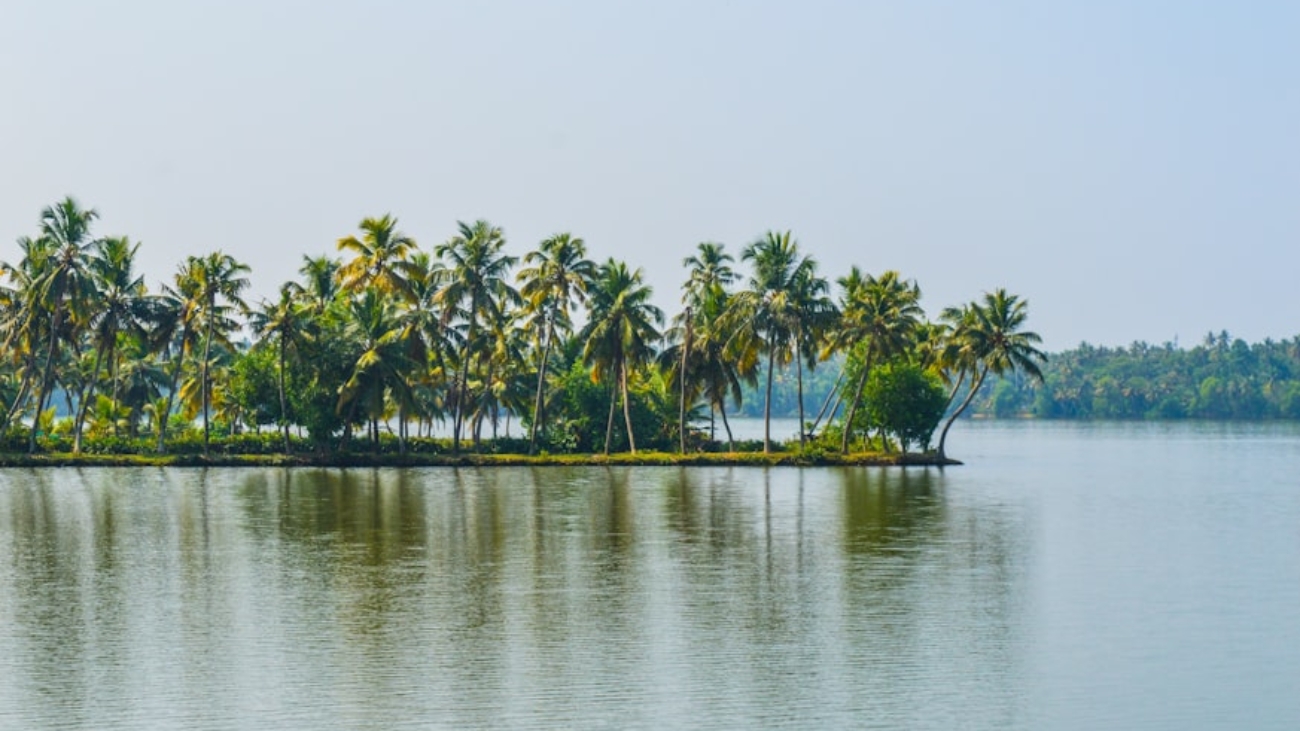
Kuttanad is unlike any other place in India. It is a landscape below sea level, a farming system engineered through centuries of indigenous wisdom, a cultural zone shaped by water, monsoon, resilience, and innovation. It is the only region in the country where farming occurs below the mean sea level through a carefully managed system of bunds, canals, sluices, and community-led water governance. It is a living laboratory of agricultural engineering that pre-dates modern science. Yet, despite this extraordinary heritage, Kuttanad remains under-recognised, under-marketed, and underleveraged. Kerala Vision 2047 must imagine a future where Kuttanad becomes a global premium brand—cherished not only for its backwaters but for its unique knowledge systems, agricultural excellence, water management mastery, gastronomy, biodiversity, and cultural depth.
The first step is acknowledging what Kuttanad represents: a civilisation that learned to negotiate with water rather than fight it. The below-sea-level polders of Kuttanad rival the Netherlands in engineering ingenuity, yet the world barely knows this story. Farmers built earthen bunds using community labour, rotated water flows using simple but effective sluice systems, and developed flood-resilient cropping cycles tailored to monsoon patterns. They mastered water literacy long before climate change became a global concern. This is not just agricultural knowledge; it is intellectual capital that can inspire modern climate adaptation research. Kerala Vision 2047 must document, preserve, and globalise this wisdom through scientific collaborations, museums, exportable knowledge frameworks, and integrated tourism experiences.
A major opportunity lies in rebranding Kuttanad agriculture as a premium global product category. Today, Kuttanad rice varieties are undervalued despite their unique taste, texture, and nutritional characteristics shaped by brackish water and clay-rich soils. By 2047, Kuttanad can become to rice what Champagne is to sparkling wine or Parma is to ham—a protected geographical indication tied to a specific ecosystem and method. Kuttanad rice varieties can be packaged as heritage grains, monsoon-grown produce, and climate-adapted crops with strong storytelling. This premium positioning requires strict quality controls, farmer cooperatives, modern mill infrastructure, and global marketing campaigns that highlight Kuttanad’s uniqueness.
The region’s expertise in aquatic farming and fisheries also remains underutilised. Kuttanad farmers possess deep knowledge of rice–fish integrated farming systems, canal aquaculture, and seasonal rotation between crops and aquatic species. This model is both environmentally sustainable and commercially promising. Vision 2047 must convert these practices into globally sellable frameworks for regenerative agriculture. Workshops, training programmes, and demonstration farms can attract researchers and entrepreneurs from Asia, Africa, and South America—regions facing similar water management challenges. Kuttanad can export its knowledge, not just its produce.
Becoming a global premium brand also requires transforming how Kuttanad is perceived. Today, it is marketed largely through backwater tourism. While houseboats bring economic activity, they do not elevate the region’s identity. By 2047, Kuttanad must be repositioned as a cultural and scientific icon—a place of human ingenuity, agricultural brilliance, and culinary richness. A comprehensive rebranding strategy must focus on Kuttanad as a symbol of climate resilience, slow living, and artisanal production. Visual identity, storytelling campaigns, architectural guidelines, curated experiences, and product packaging must reflect this narrative.
Gastronomy offers an enormous opportunity. Kuttanad cuisine—duck roast, karimeen preparations, coconut-based stews, tapioca combinations, freshwater prawns, and rice delicacies—is one of Kerala’s most distinctive culinary traditions. It is earthy, slow-cooked, and deeply rooted in the landscape. Yet it is not positioned as a premium culinary brand globally. Vision 2047 must encourage restaurant incubators, chef collaborations, cooking classes, culinary festivals, and export-ready packaged foods derived from Kuttanad recipes. Kuttanad gastronomy can stand alongside world-renowned food cultures if curated with finesse.
Water management is another pillar of global recognition. Kuttanad’s farming relies on a dynamic relationship between human engineering and monsoon cycles. This system teaches lessons in flood control, soil regeneration, drainage efficiency, and coastal adaptation—all of which are critical to countries facing climate change. By 2047, Kerala can establish a Kuttanad International Centre for Water and Climate Knowledge, where researchers, planners, engineers, and farmers from around the world study traditional water technologies, hybrid farming systems, and climate adaptation. The centre can produce policy frameworks, consulting models, and scientific papers that position Kerala as a leader in climate-era agricultural engineering.
Tourism too must shift from generic sightseeing to immersive learning. Visitors should be able to witness the creation of a padasekharam bund, learn how sluice gates regulate water, study the rice–fish systems, take canoe rides through farmer-managed canals, and participate in agricultural festivals. Farm-stay tourism should become a global trend, where travellers not only stay in Kuttanad but learn from it. Curated trails—such as the “Kuttanad Water Wisdom Trail” or the “Below-Sea-Level Farming Experience”—can transform tourism into experiential learning.
Kuttanad’s cultural ecosystem also contributes to its identity. Its songs, boat races, harvest rituals, and community traditions are rich enough to form a cultural brand. The annual boat race circuit can be internationalised with documentary coverage, global sponsorships, and heritage protection. Traditional craftsmanship associated with boat building, coir production, fishing gear, and farming tools can become part of a premium artisanal market.
To build a global brand, Kuttanad must also invest in infrastructure that preserves its character. The region must avoid over-urbanisation and maintain its water-based identity. Roads, bridges, walkways, and bunds must be upgraded without destroying landscape aesthetics. Waste management and water pollution control must be prioritised. Solar-powered boats, silent waterways, and clean tourism zones must define the region by 2047.
The farmers must remain at the centre of the vision. For Kuttanad to become a premium global brand, the people who have preserved this ecosystem for generations must be its primary beneficiaries. Strengthening farmer cooperatives, offering price support, promoting youth entrepreneurship, and providing global exposure will ensure that the brand translates into real prosperity.
Finally, Kuttanad must embrace digital transformation. Satellite mapping, soil monitoring, smart sluice automation, GIS-based water flow predictions, and blockchain-based traceability for rice and fish exports can elevate Kuttanad’s credibility globally. When heritage combines with technology, Kuttanad becomes not just a cultural zone but a model for future-ready agriculture.
By 2047, Kerala must position Kuttanad as a globally admired symbol of human–nature harmony, traditional intelligence, and climate-era innovation. A region once seen merely as a scenic backwater must emerge as a premium global brand carrying the weight of knowledge, culture, agriculture, and resilience. If Kerala executes this vision, Kuttanad will stand alongside the world’s most iconic cultural landscapes—celebrated not only for its beauty but for its profound wisdom and enduring human ingenuity.
