
Biotechnology is one of the most transformative scientific fields of the 21st century, shaping healthcare, agriculture, energy, climate resilience, materials science, and even national security. As the world shifts toward biologically driven innovation—gene editing, personalized medicine, bioinformatics, synthetic biology, vaccine development, marine biotechnology, and climate-adaptive crops—India must strengthen its regional biotech ecosystems. Kerala, with its rich biodiversity, strong healthcare system, educated population, and expanding research networks, is uniquely positioned to become a national and global biotechnology hub by 2047. Kerala Vision 2047 must therefore identify biotechnology as a strategic pillar of the state’s scientific future, integrating research with economic development and societal well-being.
Kerala has natural advantages that few regions possess. The Western Ghats, a global biodiversity hotspot, host thousands of endemic plant, microbial, and animal species with immense research potential in pharmaceuticals, nutraceuticals, bioactive molecules, and ecological biotechnology. The marine ecosystems along Kerala’s 580-kilometre coastline, including estuaries, mangroves, and deep-sea zones, offer rich opportunities for marine biotechnology, algae-based products, and sustainable aquaculture. Ayurveda and traditional medicine provide an additional layer of ethnobotanical knowledge, offering pathways into natural product research and integrative therapeutics. These strengths must be scientifically systematised and ethically commercialised.
The foundation of Kerala’s biotech vision begins with research institutions. Kerala already hosts Rajiv Gandhi Centre for Biotechnology (RGCB), the Institute of Advanced Virology, CUSAT’s marine biology departments, Kerala University departments, Ayurveda universities, and research hospitals. By 2047, these institutions must be integrated into a Kerala Biotechnology Network that enables shared facilities, PhD collaborations, data exchange, and joint innovation grants. A statewide Biotechnology Grid can connect labs in Thiruvananthapuram, Kochi, Kozhikode, Thrissur, and Wayanad, ensuring decentralised but coordinated research. This prevents duplication, promotes cross-disciplinary collaboration, and accelerates discovery.
Kerala must also establish a world-class BioInnovation Valley—a cluster of biotech parks, incubators, and industrial labs—similar to Bengaluru’s biotech corridor or Singapore’s Biopolis. This hub could specialise in drug discovery, molecular diagnostics, vaccine platforms, genome editing, regenerative medicine, immunotherapy, and biodegradable materials. Public–private partnerships can attract global companies while also empowering Kerala’s biotech startups. With the right ecosystem, Kerala can emerge as a major contributor to India’s pharmaceutical, diagnostics, and biomedical device industries.
A critical component of biotech relevance lies in healthcare integration. Kerala’s strong public health system, advanced medical colleges, and extensive patient data make it an ideal region for translational research. By 2047, Kerala can pioneer personalised medicine by combining genomics, medical imaging, clinical trials, and digital health. Biotech-driven early diagnosis systems for cancer, diabetes, neurodegenerative disorders, and infectious diseases can be developed through partnerships between hospitals and biotech labs. Kerala can become a national leader in point-of-care diagnostics, wearable biosensors, and AI-driven health prediction models.
The pandemic experience showed the importance of virology and immunology. Kerala Vision 2047 must expand advanced virology centres capable of sequencing viral genomes, studying pathogen evolution, and developing next-generation vaccines. Kerala’s early response to emerging infections proves its potential to host national biosurveillance and epidemic-preparedness facilities. This strengthens both national security and public health resilience.
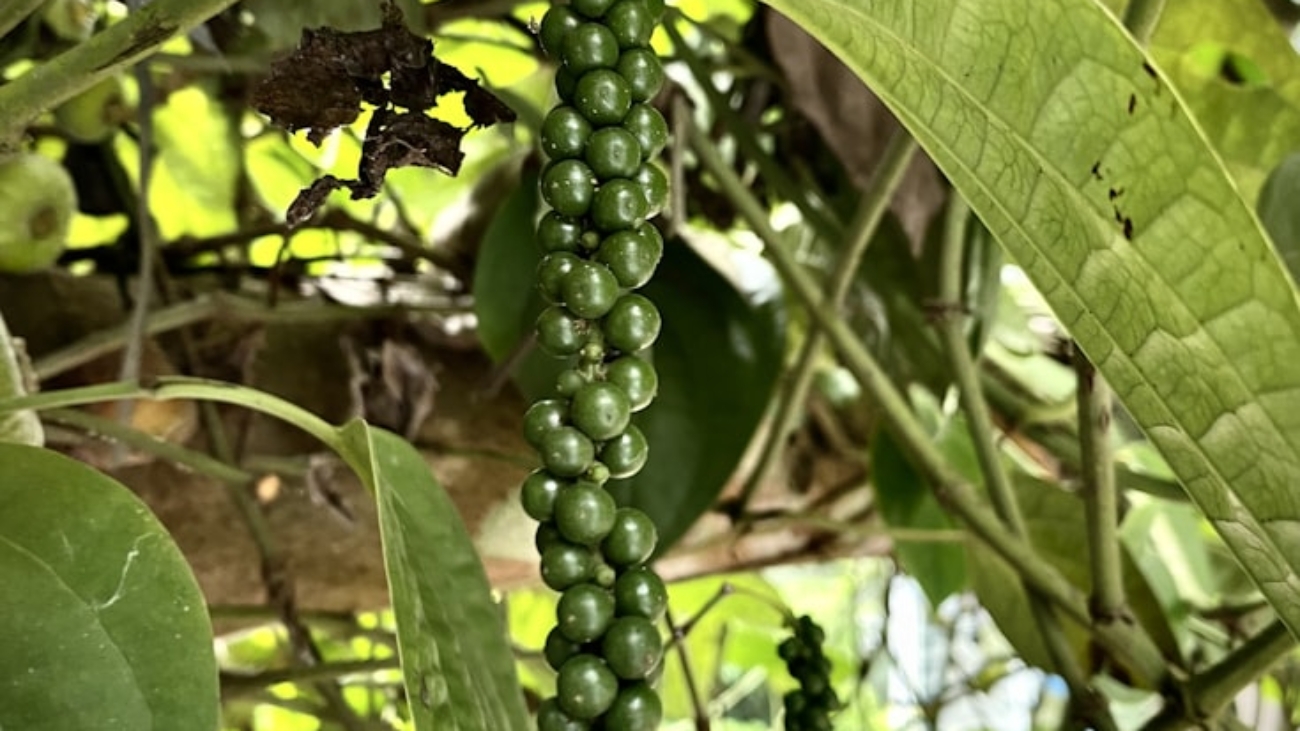
Biotechnology also holds transformative potential in agriculture—a critical sector for Kerala. Climate change threatens crops like coconut, rice, banana, spices, and rubber. By 2047, Kerala must use genomic tools, microbial biofertilisers, biopesticides, and precision farming to create climate-resilient varieties. Biotechnology can revive pepper, cardamom, coffee, and traditional pulses through disease resistance and improved yields. Wayanad, Idukki, and Palakkad can host agro-biotech centres where scientists work with farmers to translate lab discoveries into field solutions.
Marine biotechnology represents another frontier. Kerala can lead India in developing algae-based biofuels, biodegradable plastics, novel pharmaceuticals from marine organisms, and sustainable aquaculture technologies. CUSAT, CMFRI, and marine labs can collaborate to create a Marine BioTech Corridor along the coast. Deep-sea exploration, supported by ISRO’s ocean missions, can reveal new microbial species with industrial applications. Kerala can position itself as India’s marine biotechnological capital.
Education must evolve to support this vision. Kerala’s universities should introduce specialised courses in gene editing, synthetic biology, biostatistics, computational genomics, bioethics, and systems biology. A Kerala Biotechnology Fellowship Programme can identify talented students and support their research careers. Schools can introduce biotechnology labs and gene clubs to inspire early interest. This educational pipeline ensures a steady flow of young scientists, engineers, data analysts, and bioprocess specialists.
Entrepreneurship is central to Kerala’s biotech future. Biotechnology startups require high initial investment and access to sophisticated laboratories. Kerala must create subsidised incubation spaces with equipment for genomics, proteomics, fermentation, cell culture, and bioinformatics. Kerala Start-Up Mission can expand its biotech vertical, offering seed funding, global mentorship, and partnerships with pharmaceutical companies. By 2047, Kerala can host hundreds of biotech startups solving problems in medicine, agriculture, chemicals, and the environment.
Bioinformatics is a natural strength for Kerala because of its IT talent. Vision 2047 must create a computational biology hub that works on protein modelling, genome annotation, drug simulation, and biological data analytics. This field requires minimal infrastructure but provides maximum strategic value. Kerala can become a preferred national centre for AI–biotech research by integrating biology, data science, and computing.
Ethics and regulation must also evolve. Biotechnology involves complex issues—genetic privacy, biosecurity, cloning, synthetic organisms, and environmental impacts. Kerala must develop ethical guidelines, review boards, and policy think tanks to ensure responsible innovation. The state can become a model for balancing scientific ambition with public trust.
Environmental biotechnology can support Kerala’s ecological future. Microbial solutions for waste management, river clean-up, and soil regeneration can be developed locally. Biodigesters, biofilters, and microbial composting units can make Kerala a green-innovation state. Biotechnology becomes not just an industry but a tool for ecological restoration.
International collaboration is essential. Kerala can partner with European research institutes, Japanese biotech labs, Korean biomedical companies, and American universities. Exchange programmes, joint labs, and global fellowships can accelerate scientific innovation. Kerala’s diaspora in healthcare and research can act as a bridge.
Finally, biotechnology must become part of Kerala’s identity. Public engagement through science festivals, exhibitions, lab visits, and documentaries can build a society that respects and understands biotechnology. A state that honours scientific thinking becomes stronger in every dimension.
By 2047, Kerala can emerge as India’s Biotechnology Frontier—a region where biodiversity meets technology, where traditional knowledge meets modern science, and where research translates into societal transformation. A strong biotech ecosystem strengthens Kerala’s economy, health, agriculture, and global relevance. It becomes one of the defining pillars of Kerala’s future prosperity.
