
Kerala’s cities were never meant to grow the way they have grown. Historically, the state’s settlement pattern was dispersed—villages with high human development indicators, strong social infrastructure, and limited pressure on land. But over the past three decades, economic migration, commercial expansion, lifestyle changes, road development, and real estate speculation have transformed Kerala into a continuous urban corridor. Towns blurred into cities, and rural belts became semi-urban clusters without adequate planning. This unplanned urbanisation has brought prosperity but also deep vulnerabilities: ecological instability, floods, waste mismanagement, traffic congestion, groundwater depletion, housing inequality, and cultural erosion. As Kerala looks toward 2047, acknowledging these risks and repairing past decisions becomes central to building a safe, resilient, and livable future.
One of the largest risks emerging from unplanned urban growth is environmental degradation. Hills have been cut for housing, wetlands have been filled for commercial complexes, and riverbanks have been encroached upon for easy access. Natural drainage channels—thodu, kayal streams, paddy fields—have been blocked, causing water to stagnate in areas that never flooded before. The Kerala floods of 2018 and 2019 were powerful reminders that modern infrastructure cannot override natural systems. If unchecked, Kerala’s expanding concrete landscape will intensify flash floods, landslides, heat islands, and ecological collapse. Repairing this requires re-mapping natural drainage networks, restoring wetlands, enforcing strict no-build zones, and encouraging green corridors inside cities.
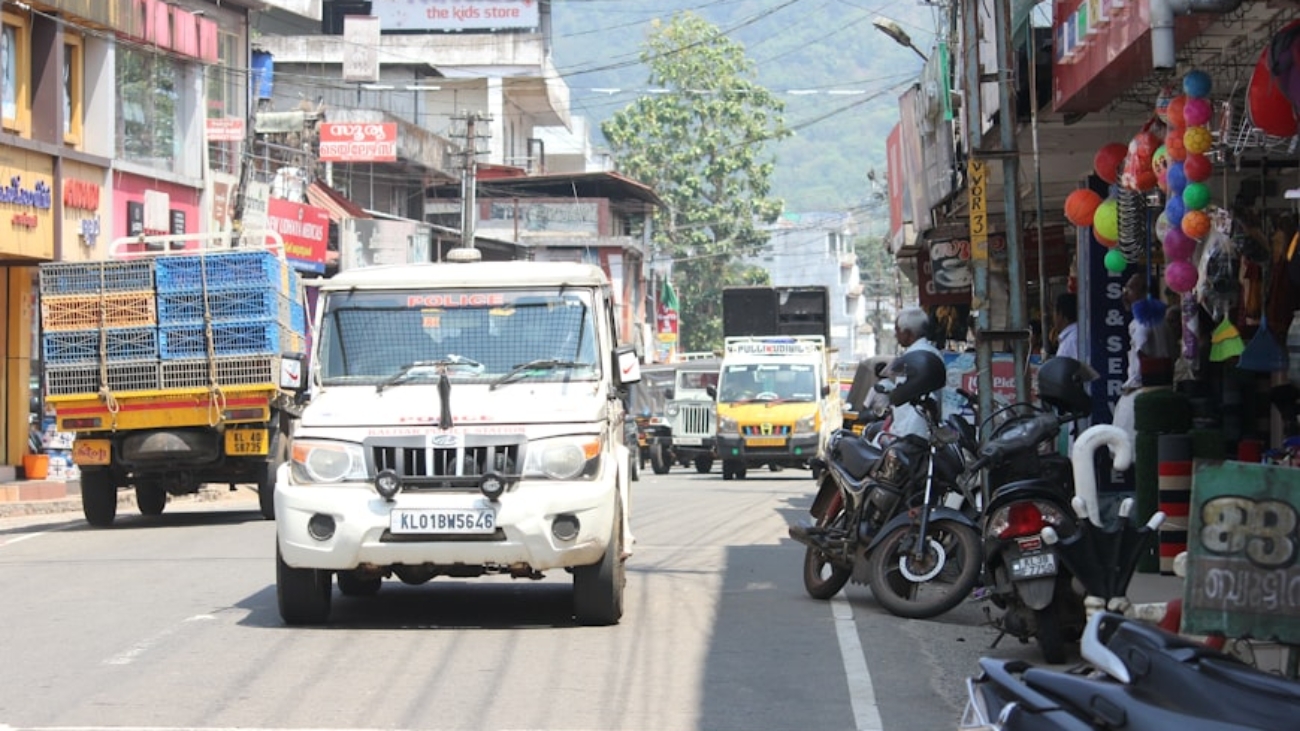
A second major risk is transportation chaos. Roads designed for low-density rural life now carry urban-level traffic. Most Kerala towns have grown linearly along highways, creating narrow bottlenecks that cannot expand. As more families buy cars and two-wheelers, cities become immobile during peak hours. Productivity drops, pollution rises, and daily stress increases. Repairing this requires integrated urban mobility systems—dedicated bus lanes, mini-metro networks in major cities, water transport in Kochi-Kollam-Kottayam belts, pedestrian zones, cycling lanes, and parking regulations. Unregulated vehicle growth must be addressed through better public transport, not wider highways alone.
Water stress is another alarming consequence of unplanned growth. Traditional water bodies—ponds, wells, canals—were once the lifeline of Kerala’s hydrological balance. Urban expansion destroyed or neglected these systems, increasing dependence on piped water and groundwater extraction. Many cities now face summer shortages despite Kerala being a water-rich state. Repairing this means reviving wells, restoring temple ponds, creating urban rainwater harvesting infrastructure, and implementing groundwater recharge zones. Urban residents must recognise that water security cannot be outsourced to distant dams; it must be cultured within neighbourhoods.
Solid waste and sewage mismanagement also pose severe risks. Rapid urbanisation without adequate waste planning has resulted in plastic accumulation, illegal dumping, burning, and overflowing landfill sites. Sewage often flows untreated into rivers, canals, and the ocean. This undermines public health and tourism and threatens marine life. Repairing this problem requires decentralised waste processing, strict plastic control, scientific landfill management, household-level segregation, and widespread adoption of biogas and composting. Kerala must also invest in sewage treatment plants connected to modern sewer networks—a major gap in many towns.
Housing inequality is a growing danger. As Kerala urbanises, land prices soar, pushing lower-income families into unsafe slopes, wetland fringes, riverbanks, or congested colonies. These areas face heightened risk from landslides, floods, and health hazards. Meanwhile, luxury apartments and gated villas multiply, creating socio-economic fragmentation. Repairing this imbalance requires inclusive zoning laws, affordable housing schemes, public rental homes, and regulations preventing construction in ecologically sensitive zones. Kerala’s future cities must offer dignity to all residents, not just those with purchasing power.
Cultural and social displacement is another risk. Unplanned growth often erases local identities—temple ponds, sacred groves, village paths, cultural landmarks, and traditional settlement patterns. Migrant-dependent economies reshape neighbourhoods without ensuring integration. Repairing this requires conscious preservation of heritage spaces, community architecture, and cultural landscapes. Cities must remember that development does not mean abandoning history; it means integrating old and new thoughtfully.
A crucial underlying issue is the absence of metropolitan governance. Cities like Kochi, Thiruvananthapuram, Kozhikode, Thrissur, and Kollam have grown beyond municipal limits, yet governance structures remain fragmented. Water, transportation, waste, drainage, and housing decisions require unified management. By 2047, Kerala must establish metropolitan authorities capable of long-term planning across districts, not just within town boundaries. Without integrated governance, solutions remain piecemeal and ineffective.
Climate change amplifies all these risks. Rising sea levels will affect coastal towns; heat waves will intensify in concrete-heavy cities; heavier monsoon spells will overwhelm drainage systems. Repairing past mistakes requires building climate-resilient cities—elevated infrastructure, permeable surfaces, green roofs, solar-powered public buildings, disaster-preparedness systems, and resilient housing designs. Cities must adapt to a future where climate extremes are normal, not exceptions.
Technology must also be part of the repair strategy. Smart sensors for flood alerts, AI-driven traffic systems, drone-based surveys for illegal construction, satellite mapping of wetlands, and real-time municipal dashboards can improve governance transparency. But technology must enhance planning, not replace ecological wisdom. Kerala’s traditional knowledge—paddy-field hydrology, canal networks, terraced farming, and sacred grove management—must blend with modern methodologies.
Community participation is essential. Unplanned urbanisation happened partly because planning was imposed from above without involving residents. Repairing requires participatory planning—neighbourhood committees, citizen councils, ward-level climate action groups, and digital platforms for public consultation. People must have a voice in shaping their living environments. Kerala’s social capital, literacy, and civic awareness make such models feasible.
Finally, Kerala must shift its mindset from reactive crisis management to proactive urban visioning. Instead of widening roads after congestion, we plan mobility networks decades ahead. Instead of relocating families after landslides, we prevent settlement in unsafe zones. Instead of cleaning canals after floods, we maintain them year-round. Repairing unplanned urban growth is less about fixing the past and more about transforming the future.
By 2047, Kerala can achieve:
Cities that breathe—green, shaded, and water-secured
Mobility that flows—public transport first, not an afterthought
Neighbourhoods that thrive—safe, inclusive, and culturally rich
Governance that works—coordinated, transparent, and technology-enabled
Infrastructure that lasts—resilient to climate extremes
Nature that returns—wetlands restored, rivers revived, hills protected
The mistakes of unplanned urban growth are not irreversible. They are lessons—expensive, painful, but transformative. Kerala Vision 2047 must treat cities not as accidents of expansion, but as deliberate, thoughtful creations built for humans, not just buildings and vehicles.
A planned Kerala is a safer Kerala. A greener Kerala is a wealthier Kerala. And a more mindful Kerala is a Kerala ready for the next century.
