
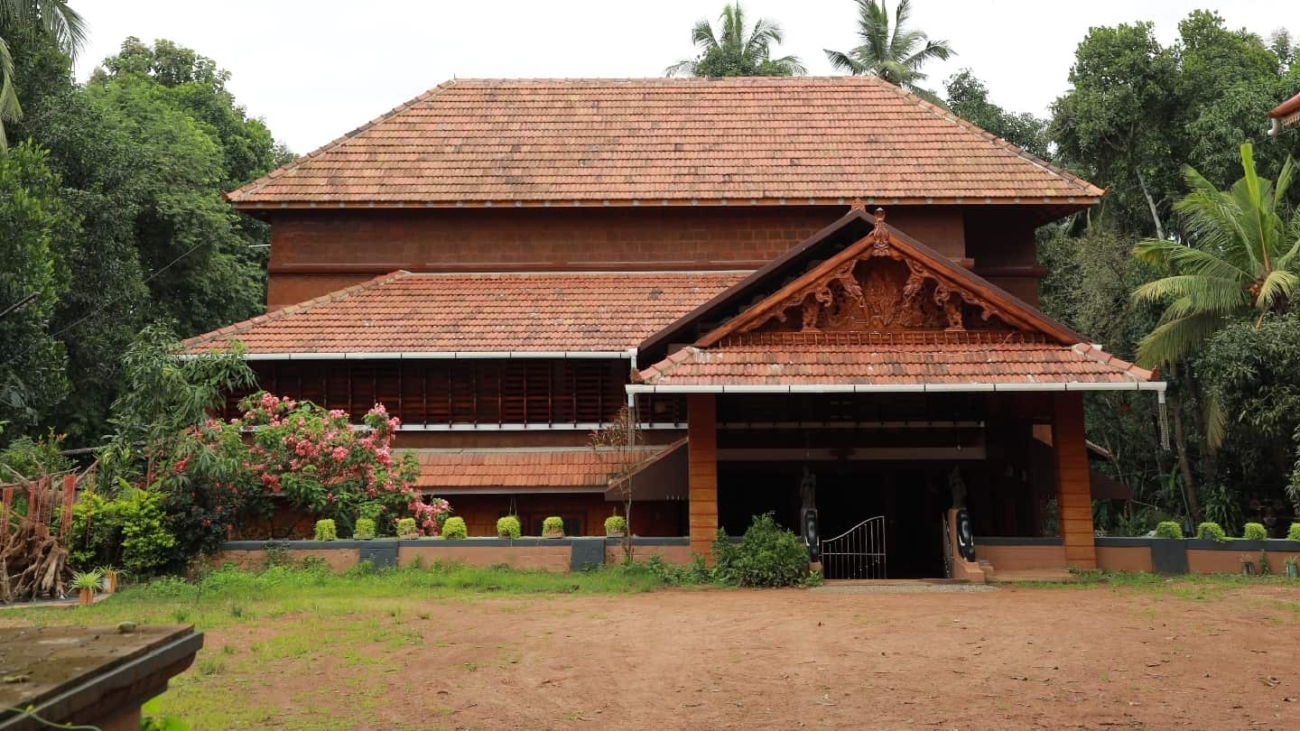
Alathur taluk—stretching across Alathur town, Nemmara, Ayilur, Tarur, Melarcode, Pudupariyaram, Kavassery, Kollengode and the picturesque highland valleys of Nelliampathy—is one of Kerala’s most strategically positioned agricultural and natural-resource zones. With vast paddy fields, coconut belts, vegetable farms, dairy clusters, and highland plantations, Alathur is a unique mix of plains productivity and hill-station potential. Its proximity to the Palakkad Gap, NH 544, Coimbatore markets and Palakkad’s industrial ecosystem gives it a natural competitive advantage. By 2047, Alathur taluk can evolve into a ₹11,000–₹13,000 crore annual manufacturing economy, dominated by agro-processing, plantation industries, natural fibre engineering, food-tech, nutraceuticals, green construction materials, rural machinery and eco-friendly products.
The strongest pillar of Alathur’s future is a Multi-Crop Agro-Processing & Plantation Value-Addition Mega Cluster, leveraging Nemmara–Ayilur paddy belts, Kollengode’s coconut plantations, Melarcode vegetable farms and Nelliampathy’s tea, coffee and spices. A 50-acre agro-industrial zone with rice mills, coconut-oil extraction lines, spice processing, vegetable dehydration, tea sorting, coffee roasting, fruit pulping, ready-to-eat manufacturing and nutraceutical blending can process 2,00,000–2,40,000 tonnes of raw material annually. This cluster can generate ₹2,500–₹3,000 crore and support 20,000–24,000 jobs, especially for women.
A second major pillar is a Plantation Products, Aroma Extracts & Nutraceuticals Cluster, powered by Nelliampathy’s tea, coffee, cardamom and orange estates. A 25-acre cluster with aroma-extraction labs, essential-oil distillation, tea–coffee concentrate production, plant-based supplements, organic fertiliser manufacturing, freeze-drying lines and botanical extracts can generate ₹1,200–₹1,600 crore and create 10,000–12,000 skilled jobs. This cluster can position Alathur as a premium exporter of plantation-derived high-value products.
The taluk’s agricultural strength supports a Processed Foods, Bakery-Tech & FMCG Manufacturing Hub, especially across Alathur town and Nemmara’s commercial belt. A 25-acre FMCG zone with bakery lines, confectionery units, snack production, spice-blend packaging, instant-mix units, beverage plants and dairy-based processing can generate ₹900–₹1,200 crore and provide 8,000–10,000 jobs.
Alathur’s rich coconut and natural-fibre economy allows for a Coir, Natural Fibre & Green Materials Cluster, bringing innovation to traditional industries. A 25-acre fibre-tech hub with automated coir spinning, geotextile looms, coir-ply production, natural-fibre composites, biodegradable packaging, furniture components and eco-friendly home products can generate ₹1,000–₹1,300 crore and support 9,000–11,000 workers.
With growing construction activity in the plains and highlands, Alathur is also ideal for a Green Construction Materials & Bamboo Engineering Cluster. A 20-acre industrial park producing engineered bamboo panels, lightweight hollow blocks, eco-bricks, prefabricated structures, bamboo furniture and interior components can generate ₹700–₹900 crore and create 6,000–8,000 jobs.
The taluk’s mechanisation-rich farming ecosystem supports a Rural Machinery, Agri-Equipment & Light Engineering Cluster. A 20-acre cluster equipped with CNC machines, fabrication units, lathe workshops, pump assembly, irrigation equipment, coconut-processing machinery, small tractors, tea-leaf dryers and mini-harvesters can generate ₹800–₹1,000 crore and employ 7,000–9,000 technicians. This will support agriculture in Palakkad, Thrissur and Coimbatore regions.
Alathur’s proximity to highlands and forest peripheries supports a Herbal, Ayurveda & Natural Products Manufacturing Hub, capable of generating ₹500–₹700 crore and creating 4,000–6,000 jobs. This cluster can produce ayurvedic formulations, herbal cosmetics, essential oils, balms, supplements and plant-based medicines.
With Kollengode’s tourism potential and Nelliampathy’s highland economy, a Creative Manufacturing, Handicrafts & Eco-Tourism Products Cluster can also be developed. A 10-acre craft-tech park producing bamboo décor, wooden artefacts, natural-fibre crafts, tea–coffee souvenir products, handmade soaps and artisanal textiles can generate ₹150–₹250 crore while supporting 2,000–3,000 livelihoods, particularly for women.
To integrate all these clusters, Alathur needs a Plains–Highland Logistics & Cold-Chain Integration Park, strategically placed along NH 544 or near Nemmara. A 30-acre logistics hub with 20,000 pallet spaces, 2,000 tonnes of cold storage, plantation-produce warehousing, packaging labs, quality-testing facilities, e-commerce fulfilment and an AI-driven freight-management system can reduce logistics costs from 10–12 percent to 6 percent, saving ₹150–₹180 crore annually.
Human capital development must anchor Alathur’s transformation. The taluk must train 14,000–16,000 people annually in agro-processing, food safety, fibre engineering, CNC machining, plantation technology, ayurvedic sciences, packaging, quality control, machine maintenance and digital manufacturing. A flagship centre—Alathur Institute of Agro-Industrial Technologies & Plantation Sciences (AIATPS)—should be established for skill development, incubation and R&D. Women must constitute 50 percent of the trained workforce.
Digital transformation must be deeply integrated into the taluk’s industrial base. A Alathur MSME Digital Grid, connecting 1,500–1,800 micro units, can provide cloud-based production scheduling, AI-based quality testing, digital invoicing, machinery diagnostics, e-commerce integration, packaging design tools, and traceability systems for rice, tea, coffee and spices. Digitalisation can raise productivity by 20–30 percent across sectors.
Sustainability must define the industrial identity of Alathur. By 2047, the taluk must achieve 80–85 percent renewable-energy dependence, using rooftop solar, biomass from agro waste, bamboo residue, micro-hydro devices and district-level battery storage. Industrial water reuse must exceed 85 percent, especially in agro-processing and fibre-tech sectors. A circular-materials recovery centre processing 12,000–15,000 tonnes of agro waste, coir dust, tea-waste, bamboo residue and packaging scrap annually can produce compost, eco-boards, recycled materials, briquettes and biochar.
If implemented with strong planning, plantation–plains integration, SME empowerment and digital-sustainability alignment, Alathur can become Kerala’s most balanced agro-industrial taluk by 2047. With ₹11,000–₹13,000 crore in annual output, 1.1–1.3 lakh direct jobs, and leadership in plantation products, multi-crop agro-processing, natural fibres, rural machinery, FMCG, herbal industries and eco-construction materials, Alathur will anchor Palakkad’s central agro-industrial corridor.
