
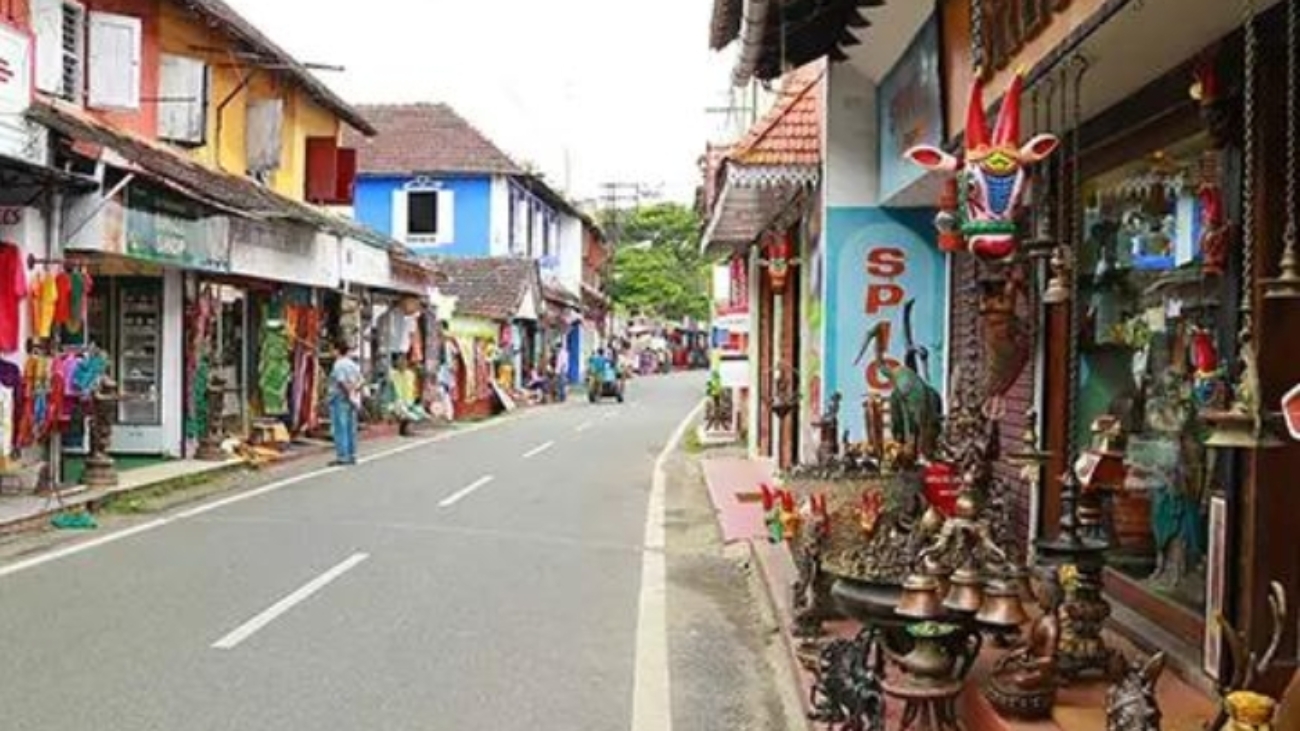
Kochi’s smart city future must be built around flow rather than form. This is Kerala’s most externally connected city, shaped by ports, trade, migration, finance, tourism, and technology. Kochi does not behave like a traditional Indian city with a single core. It operates as a network of nodes—Fort Kochi, Mattancherry, Ernakulam, Kakkanad, port zones, and suburban corridors—each with a distinct function. A smart Kochi in 2047 must master coordination across this network rather than attempt forced centralization.
The defining challenge of Kochi is fragmentation. Economic activity is strong, but spatial and institutional integration is weak. Transport systems, land use, housing, and employment zones often operate out of sync. Smart city planning must focus on synchronizing these layers so that movement of people, goods, and data becomes smooth and predictable. Efficiency in Kochi will come not from expansion, but from orchestration.
Mobility is Kochi’s most visible stress point. Roads, metro, ferries, buses, and freight corridors coexist, but integration remains partial. A smart Kochi must treat mobility as a single system rather than parallel services. Seamless transfers between metro, bus, water transport, and last-mile options must become effortless. Ticketing, scheduling, and routing must respond dynamically to office hours, port operations, tourism peaks, and weather conditions. Reliability matters more than speed in a city of constant movement.
Water is Kochi’s hidden infrastructure. Backwaters, canals, and the sea shape both opportunity and risk. Smart city development must integrate water-based transport and logistics as core urban systems. Ferries and water taxis should serve daily commuters, not just tourists. Freight movement through waterways can reduce road congestion significantly. When water becomes a working layer of the city, Kochi regains its historic advantage.
The port defines Kochi’s economic identity, yet port activity often feels detached from city life. A smart city approach must integrate port operations with urban planning through timing controls, logistics zoning, and pollution management. Port-driven employment, services, and skill development must connect to local neighborhoods. A port city thrives when its port feeds the city, not bypasses it.
Kakkanad and the IT corridor represent Kochi’s knowledge economy, but their relationship with the rest of the city is strained by housing pressure and commuting stress. Smart city planning must dissolve the commuter-city divide. Mixed-use development, affordable rental housing, and strong public transport must allow technology workers to live across the city rather than cluster in narrow corridors. Cities become innovative when talent circulates socially, not just professionally.
Housing policy in Kochi is a critical fault line. Rising prices, speculative development, and informal expansion risk pushing essential workers outward. Smart Kochi must treat housing as productivity infrastructure. Nurses, teachers, port workers, service staff, and young professionals must be able to live within reasonable distance of work. Mixed-income neighborhoods stabilize cities economically and socially.
Tourism in Kochi must be managed as a system, not an event. Fort Kochi and heritage zones attract global attention, but unmanaged footfall strains infrastructure and displaces residents. Smart cities regulate tourism intensity based on carrying capacity. Digital crowd management, timed access, and reinvestment of tourism revenue into local infrastructure ensure long-term sustainability. Tourism must enrich neighborhoods rather than hollow them out.
Economic diversification is Kochi’s strength, but it requires deliberate balance. Trade, logistics, IT, healthcare, education, finance, and creative industries coexist. Smart city policy must prevent dominance by any single sector. Resilience comes from diversity. When one sector slows, others must absorb the shock. Kochi’s smartness will lie in maintaining this balance without stifling growth.
Public spaces in Kochi must bridge its social diversity. Beaches, waterfronts, markets, parks, and cultural spaces are where different communities intersect. Smart city development must expand and protect these spaces rather than privatize them. Cities fragment when public life disappears. Kochi’s cosmopolitan identity depends on shared spaces that remain open and accessible.
Environmental resilience is unavoidable in Kochi’s future. Flooding, sea-level rise, and saline intrusion threaten infrastructure and housing. Smart Kochi must adopt adaptive design rather than defensive overbuilding. Wetlands, canals, mangroves, and floodplains must be preserved as functional systems. Urban development must bend around water rather than fight it. Resilience here is ecological intelligence.
Waste management in Kochi must be treated as a metropolitan-scale challenge. Fragmented municipal systems cannot cope with dense population and tourism pressure. Smart cities require decentralized processing combined with metropolitan coordination. Waste must not enter water systems. Cleanliness in Kochi is inseparable from public health, tourism reputation, and ecological survival.
Governance in Kochi must reflect its complexity. Multiple agencies, jurisdictions, and interests operate simultaneously. Smart governance must unify data, planning, and accountability across these bodies. Citizens should experience the city as one system, not a maze of authorities. Clarity reduces friction and speeds execution.
Digital infrastructure in Kochi must prioritize interoperability. Smart city systems must allow transport, utilities, port operations, emergency services, and civic platforms to share information seamlessly. When systems talk to each other, response becomes faster and mistakes reduce. Smartness is integration, not automation alone.
Cultural plurality is Kochi’s quiet strength. Languages, cuisines, religions, and histories coexist naturally. Smart city development must preserve this diversity while enabling modern livelihoods. Cities that flatten identity lose resilience and creativity. Kochi’s intelligence lies in its openness.
By 2047, a smart Kochi should feel fluid rather than congested. Movement should feel coordinated. Opportunity should feel accessible. The city should operate like a well-run port—busy, diverse, and precise—without exhausting its people.
