
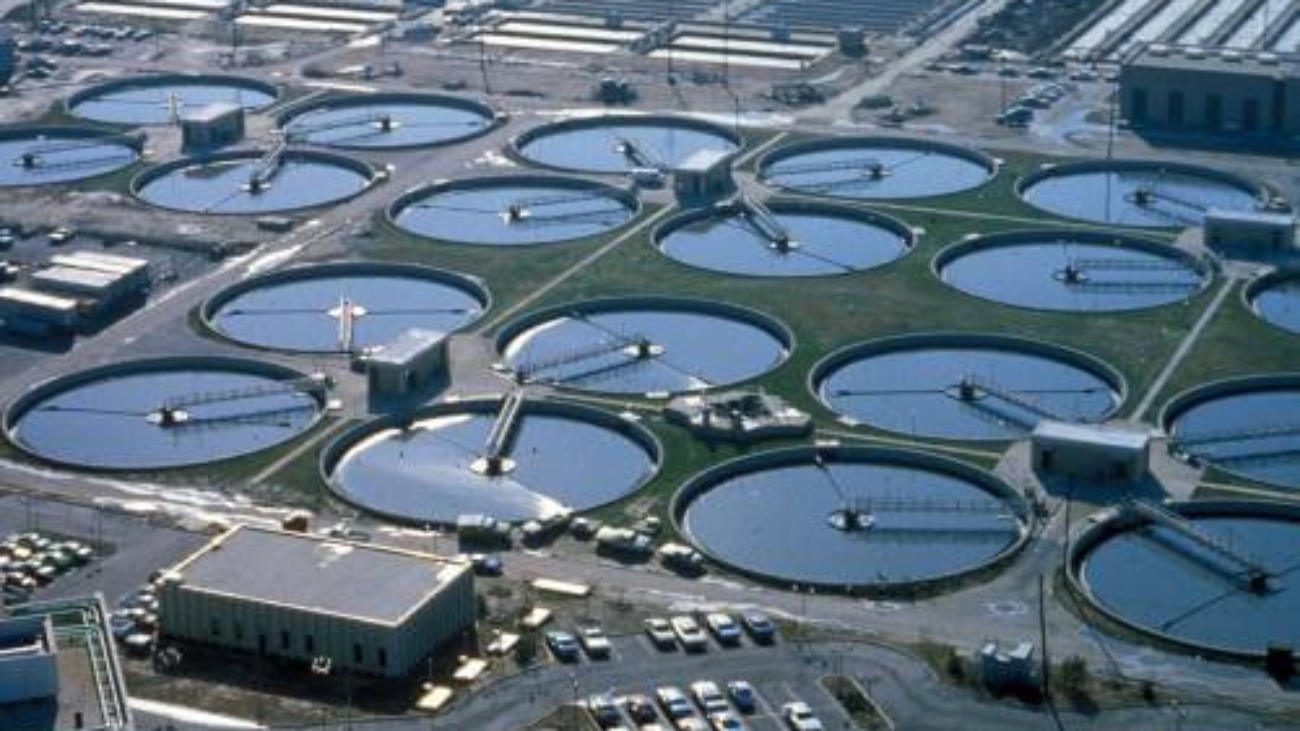
Water has always been one of Kerala’s most valuable natural resources. The state receives substantial rainfall, possesses numerous rivers, and is surrounded by an extensive network of lakes, canals, and backwaters. Yet despite this apparent abundance, many urban areas continue to face challenges related to water supply, distribution efficiency, leakage, quality monitoring, and seasonal shortages. As cities expand and populations grow, managing water effectively is becoming one of the most important responsibilities of urban governance.
Traditional water supply systems were designed for a different era. Most urban water networks rely on manual monitoring, periodic inspections, and limited real-time information. Water authorities often discover problems only after significant losses have occurred. Leaks may continue for months before detection. Water quality issues can spread before corrective action is taken. Consumers frequently receive limited information regarding supply conditions and disruptions.
The concept of a Smart Water Grid offers a modern solution to these challenges. A smart water grid uses sensors, communication networks, artificial intelligence, data analytics, and automated control systems to monitor and manage urban water infrastructure in real time. Instead of reacting to problems after they occur, city administrators can identify issues early and respond proactively.
At the heart of the smart water grid are thousands of sensors installed throughout the water distribution system. These sensors continuously collect information regarding water pressure, flow rates, quality indicators, reservoir levels, and pipeline conditions. Data is transmitted to centralized monitoring systems where advanced software analyzes patterns and identifies anomalies.
One of the greatest benefits of such systems is leak detection. Water losses from aging infrastructure represent a significant challenge in many cities. Small leaks often remain unnoticed for extended periods, resulting in substantial losses over time. Smart sensors can identify unusual pressure changes or flow patterns that indicate leaks. Maintenance teams can then respond quickly before problems become larger and more expensive.
Reducing water losses has both economic and environmental benefits. Every liter of water saved reduces the need for additional extraction, treatment, and distribution. Infrastructure efficiency improves while operational costs decline. Municipal authorities can provide better service without necessarily expanding water production capacity.
Water quality monitoring is another critical application. Urban populations depend on safe drinking water for public health. Traditional testing methods often involve periodic sampling, which may not immediately detect contamination events. Smart sensors can continuously monitor key water quality parameters and provide instant alerts when abnormalities occur. This allows authorities to take corrective action before problems affect large numbers of consumers.
Kerala’s changing climate adds urgency to the need for advanced water management systems. The state increasingly experiences periods of intense rainfall alongside episodes of localized water scarcity. Climate variability makes water planning more complex. Smart water grids provide the data necessary to manage resources more effectively under changing environmental conditions.
Demand forecasting represents another valuable capability. Artificial intelligence systems can analyze historical consumption patterns, weather forecasts, population trends, and seasonal factors to predict future water demand. Utilities can use these forecasts to optimize reservoir operations, pumping schedules, and distribution strategies. Better planning reduces waste and improves reliability.
Consumers also benefit from increased transparency. Smart water meters can provide households with detailed information regarding their water usage. Residents can track consumption, identify unusual increases, and adopt conservation measures. Access to real-time information encourages more responsible water use while helping consumers control costs.
The integration of mobile applications further enhances user engagement. Citizens can receive updates regarding water supply schedules, maintenance activities, service disruptions, and conservation recommendations. Reporting leaks or service issues becomes easier through digital platforms. Improved communication strengthens trust between utilities and consumers.
Urban planning can also benefit from smart water infrastructure. City planners often face difficult decisions regarding housing development, industrial expansion, and infrastructure investments. Reliable data regarding water availability and consumption patterns supports more informed decision making. Future growth can be aligned with long-term resource sustainability.
Energy efficiency is another important consideration. Water treatment and distribution require significant amounts of electricity. Smart systems optimize pumping operations based on demand patterns and network conditions. Reduced energy consumption lowers operational expenses and contributes to broader sustainability goals.
Kerala’s rapidly growing urban centers such as Kochi, Thiruvananthapuram, and Kozhikode could serve as ideal locations for pilot projects. These cities face increasing pressure on water infrastructure due to population growth, economic development, and urban expansion. Smart water technologies could significantly improve service quality while supporting future growth.
Implementation would require investment in infrastructure, digital systems, communication networks, and workforce training. However, the long-term benefits often outweigh initial costs. Reduced water losses, lower maintenance expenses, improved efficiency, and better resource management generate substantial economic returns over time.
Public-private partnerships may play an important role in accelerating deployment. Technology companies, research institutions, utilities, and government agencies can collaborate to develop solutions tailored to Kerala’s specific conditions. Local innovation ecosystems may also contribute to the development of cost-effective technologies suitable for Indian cities.
Cybersecurity and data protection must remain important considerations. As water infrastructure becomes increasingly connected, robust safeguards are necessary to protect critical systems from disruption. Security planning should be integrated into all stages of smart water grid development.
Employment opportunities will emerge alongside technological adoption. Engineers, data analysts, software developers, maintenance technicians, sensor specialists, and system operators will all be required to support these advanced networks. Smart water infrastructure can therefore contribute to both service improvement and economic development.
The broader significance of smart water grids extends beyond technology itself. Water is fundamental to public health, economic activity, environmental sustainability, and quality of life. Efficient water management supports nearly every aspect of urban development. Cities that manage water effectively are better positioned to attract investment, support population growth, and maintain resilience in the face of future challenges.
Kerala has long been recognized for its achievements in human development and public service delivery. Smart water grids provide an opportunity to extend this tradition into the next generation of urban infrastructure. By combining modern technology with responsible governance, the state can build water systems that are more efficient, transparent, sustainable, and resilient.
The future of urban water management will increasingly depend on information, connectivity, and intelligent decision making. Smart water grids represent a practical pathway toward achieving these goals. As Kerala’s cities continue to evolve, investing in advanced water infrastructure may become one of the most important steps toward creating truly sustainable and livable urban environments.
