
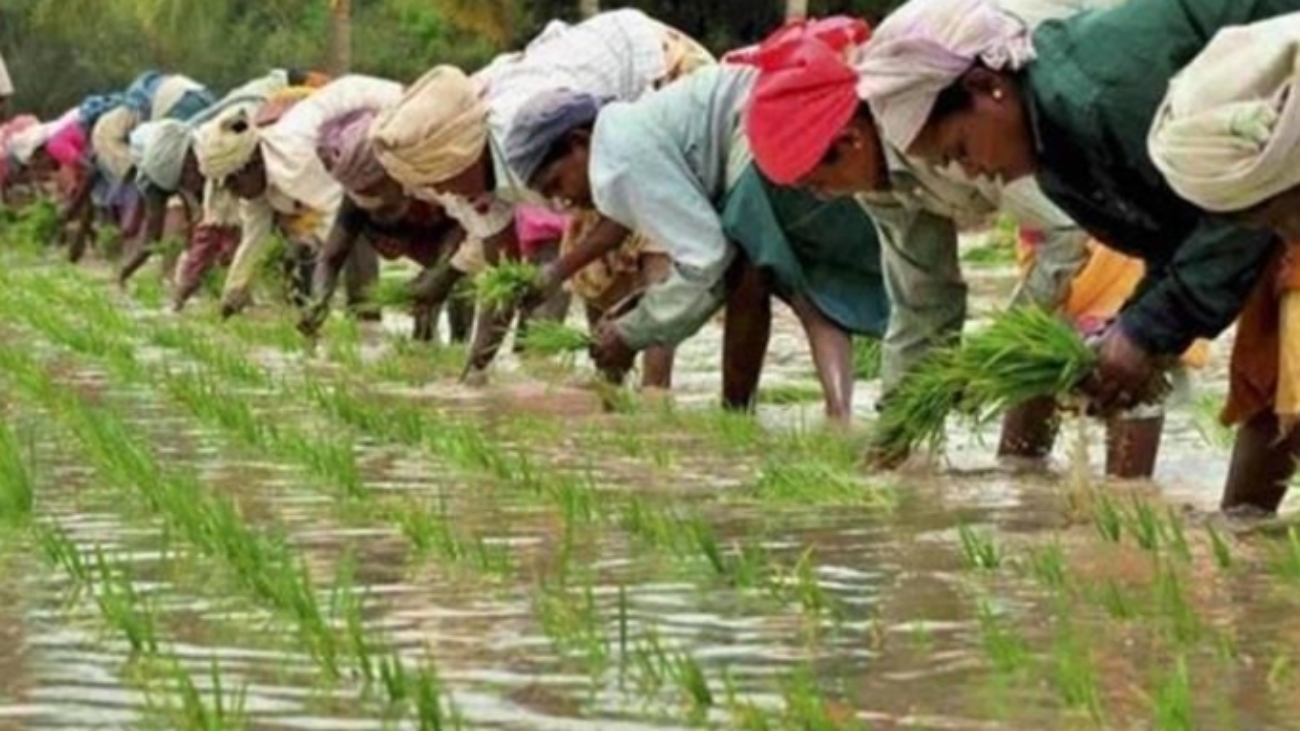
Agriculture in Kerala faces a growing labor challenge. Many farmers struggle to find workers during critical periods such as land preparation, planting, weeding, and harvesting. At the same time, agricultural workers often face irregular employment, seasonal income fluctuations, and uncertainty regarding future opportunities. This mismatch between labor demand and labor availability has become one of the most significant constraints affecting agricultural productivity in the state.
Traditional labor arrangements that once supported Kerala’s farming sector are gradually changing. Younger generations increasingly seek employment outside agriculture. Urbanization, migration, educational advancement, and changing career aspirations have reduced the number of people entering farm work. As a result, many farmers experience delays in agricultural operations, leading to lower yields and increased production costs.
One potential solution is the creation of Agricultural Labor Sharing Cooperatives. These cooperatives would function as organized workforce networks that connect trained agricultural workers with farmers who require labor services. Instead of relying on informal arrangements or last-minute labor searches, farmers could access a structured system that provides workers when needed. Workers, in turn, would benefit from more stable employment opportunities and improved working conditions.
The concept is relatively simple. A cooperative maintains a registered pool of agricultural workers within a region. Farmers submit requests for labor requirements based on crop type, acreage, and specific tasks. The cooperative schedules teams of workers and coordinates their deployment across multiple farms. This organized approach reduces uncertainty and improves efficiency for everyone involved.
One of the major advantages of such a system is workforce planning. Agricultural activities often follow predictable seasonal patterns. Cooperatives can anticipate labor demand and allocate workers accordingly. This reduces the risk of shortages during peak periods while ensuring that workers remain employed across different agricultural operations throughout the year.
The cooperative model also creates opportunities for skill development. Agricultural workers can receive training in modern farming practices, machinery operation, crop management techniques, safety standards, and sustainable agriculture. A more skilled workforce improves productivity and allows farmers to adopt advanced agricultural methods with greater confidence.
Worker welfare represents another important benefit. Many agricultural laborers experience income instability due to the seasonal nature of farming activities. Through cooperative membership, workers may gain access to insurance programs, savings schemes, financial services, healthcare support, and skill development opportunities. Stable employment arrangements can improve both economic security and quality of life.
Kerala’s strong history of cooperative development makes this model particularly relevant. The state has successfully used cooperative structures in sectors such as dairy, banking, consumer goods, and local industries. Agricultural labor sharing represents a natural extension of this tradition. Existing cooperative experience provides valuable lessons regarding governance, accountability, and community participation.
The use of digital technology can further strengthen these cooperatives. Mobile applications and online platforms can allow farmers to request workers, track schedules, make payments, and provide feedback. Workers can view assignments, receive notifications, and manage their availability. Technology improves transparency and reduces administrative complexity.
Small and marginal farmers stand to benefit significantly from such systems. Many small farmers lack the resources to maintain permanent labor arrangements. Access to a shared labor pool enables them to secure workers when necessary without incurring excessive costs. This improves the viability of small-scale agriculture and helps preserve farming livelihoods.
The cooperative model can also facilitate labor mobility between different agricultural sectors. Workers may participate in paddy cultivation during one season, coconut harvesting during another, and vegetable farming at different times of the year. Such diversification creates more continuous employment while maximizing workforce utilization.
Mechanization and labor sharing should not be viewed as competing approaches. In fact, they can complement each other. Cooperatives can train workers to operate agricultural machinery and provide mechanized services to farmers. This expands the range of services offered while increasing worker productivity. A cooperative workforce skilled in both manual and mechanized operations can meet diverse agricultural needs.
Women can play a particularly important role within agricultural labor cooperatives. Kerala has a strong tradition of women’s participation in farming activities. Cooperative structures can provide formal recognition, training opportunities, leadership roles, and financial inclusion for women working in agriculture. This contributes to broader goals related to gender empowerment and rural development.
Environmental sustainability may also benefit. Trained workers are more likely to follow best practices related to soil management, water conservation, organic farming, and responsible use of agricultural inputs. Knowledge transfer through cooperative training programs can promote sustainable farming techniques across entire regions.
The economic impact extends beyond individual farms. Stable agricultural production supports food security, rural incomes, local markets, transportation services, processing industries, and related sectors. By addressing labor shortages, agricultural labor cooperatives contribute to the broader resilience of Kerala’s rural economy.
Several implementation challenges must be addressed. Effective management systems are essential. Cooperatives require strong leadership, transparent governance, reliable funding, and accountability mechanisms. Worker training programs must be designed carefully. Technology platforms should remain accessible and user-friendly. These challenges are manageable but require careful planning and stakeholder collaboration.
Government agencies, local self-government institutions, agricultural universities, farmer organizations, and cooperative federations can all contribute to the development of labor-sharing networks. Pilot projects can help identify best practices before wider expansion across the state.
Climate change adds urgency to the need for efficient agricultural labor systems. Weather windows for planting and harvesting are becoming increasingly unpredictable. Farmers often need to act quickly when favorable conditions arise. Access to organized labor teams enables faster responses and reduces the risk of crop losses.
The future of Kerala’s agriculture will depend not only on technology and infrastructure but also on the availability of a skilled and motivated workforce. Labor remains one of the most important inputs in agricultural production. Without effective solutions, labor shortages may continue to constrain growth and profitability.
Agricultural Labor Sharing Cooperatives offer a practical and scalable response to these challenges. They strengthen worker welfare, improve farmer access to labor, enhance productivity, and support rural development. Most importantly, they transform agricultural labor from an informal and uncertain activity into a structured and professional component of the agricultural economy.
As Kerala seeks innovative approaches to sustain its farming sector, labor-sharing cooperatives represent an opportunity to combine traditional community cooperation with modern management practices. By organizing labor more effectively, the state can strengthen agriculture while creating better opportunities for workers and farming families alike. The result is a more resilient, productive, and inclusive rural economy capable of meeting the challenges of the future.
